Every city has its landmarks, but only a few have places that shape its cultural identity. In Bengaluru, the campus of Karnataka Chitrakala Parishath (CKP) has long served as one such destination—a place where generations of artists, students, collectors, and art lovers have gathered to celebrate creativity. Throughout the year, its galleries host exhibitions that explore India’s artistic diversity, while its classrooms nurture the next generation of painters, sculptors, designers, and visual storytellers. Events such as the iconic Chitra Santhe have already established the institution as one of India’s most respected centres for art and culture.
In May 2026, the Parishath once again became the heartbeat of Bengaluru’s creative community as it hosted the second edition of Namma Art Bengaluru, a national art festival that transformed the campus into a vibrant meeting ground for artistic expression. Running from May 6 to May 10, the festival was much more than an exhibition. It was a celebration of ideas, conversations, traditions, experimentation, and collaboration that reflected the changing landscape of contemporary Indian art.

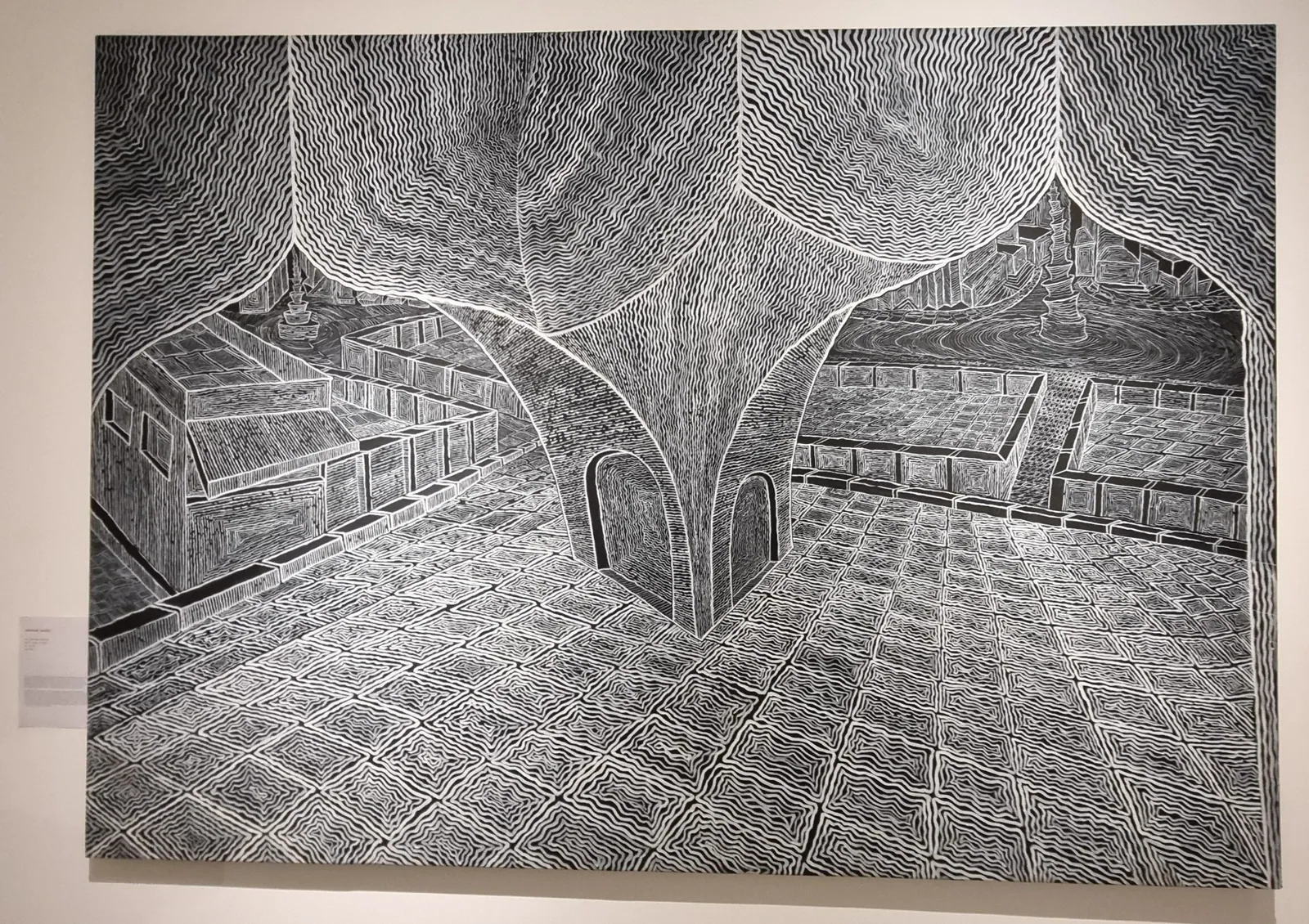
The second edition built upon the remarkable success of its inaugural festival. While the first edition had brought together around 100 artists from nearly 30 cities and towns across the country, this year’s event expanded both in scale and ambition. More than 150 artists representing diverse artistic backgrounds participated, presenting an impressive collection of paintings, sculptures, installations, mixed-media works, ceramics, and contemporary visual narratives. The increased participation highlighted the growing reputation of Namma Art Bengaluru as one of India’s emerging national art platforms. Walking through the galleries of Karnataka Chitrakala Parishath during the festival offered visitors a journey across India’s artistic landscape. Every exhibition hall introduced a different visual language. Traditional Mysore paintings stood alongside bold contemporary installations. Intricate sculptures shared space with experimental mixed-media works, while emerging artists exhibited beside nationally recognised practitioners.
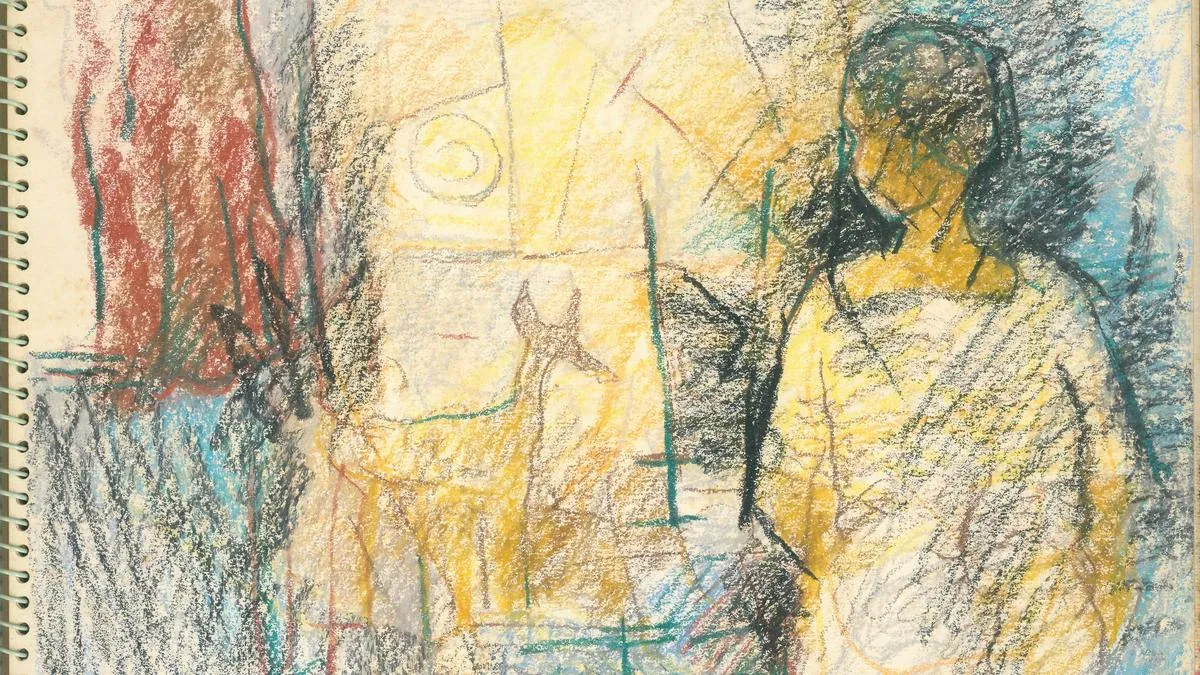
Rather than separating tradition from innovation, the festival encouraged meaningful dialogue between them, illustrating how Indian art continues to evolve while remaining deeply rooted in its cultural heritage. The opening ceremony reflected the significance of the occasion, drawing artists, educators, collectors, curators, students, and cultural leaders from across the country. Among the distinguished guests was Geetanjali Vikram Kirloskar, Chairperson and Managing Director of Kirloskar Systems Pvt. Ltd., who inaugurated the festival and explored the installations on display. Her presence reinforced the growing support from industry leaders for cultural initiatives that contribute to India’s creative economy.


One of the defining features of Namma Art Bengaluru 2026 was its commitment to making art accessible beyond gallery walls. The festival was designed not only for collectors and professionals but also for families, students, aspiring artists, and first-time visitors. Interactive installations invited audiences to participate rather than simply observe. Workshops encouraged experimentation with different artistic techniques, while demonstrations offered insight into creative processes that are often hidden behind finished works of art. Equally significant was the introduction of Creative Dialogues, a thoughtfully curated series of masterclasses, artist talks, and panel discussions. These sessions created opportunities for conversations between established artists, curators, students, collectors, and the public. Topics ranged from artistic practice and evolving visual languages to the future of India’s art market and the role of technology in creative expression. At a time when India’s contemporary art ecosystem is experiencing renewed growth, these discussions provided valuable spaces for learning, collaboration, and the exchange of ideas. A major highlight of the festival was the special exhibition titled “Mapping Periphery & Centre – A Pan-India Dialogue,” curated by Goa-based art historian and curator Lina Vincent. Installed within the indoor galleries of Karnataka Chitrakala Parishath, the exhibition brought together the work of more than 60 accomplished artists from across India. Rather than focusing solely on aesthetics, the exhibition explored deeper questions about geography, identity, memory, culture, and belonging within India’s diverse social landscape. According to the curatorial vision, the exhibition examined the relationship between the “centre” and the “periphery”—not simply in physical or geographical terms but also in cultural and historical contexts. It questioned the uneven relationships created within a vast nation shaped by multiple histories, languages, and traditions. Through painting, sculpture, photography, installation, and mixed media, participating artists reflected on landscapes, migration, personal memory, indigenous knowledge, environmental concerns, and the intersections between local and global histories. Visitors encountered a rich diversity of artistic voices throughout the exhibition. Artists including Arunkumar HG, Balaji Ponna, Bhartti Verma, Chippa Sudhakar, Girish Kulkarni, Harsha Durugadda, Kanchan Chander, Manveer Singh, Nikhileswar Baruah, Prashant Pandey, Rani Rekha, Ruchita Madhok, Shanker Kumawat, Shweta Raina, Venugopal VG, Shyam Pahapalkar, Venkat Raman Singh Shyam, Harsha Kancharla, and Mayur and Tushar Vayeda presented works that interpreted the exhibition’s central themes through unique regional experiences and personal narratives. Together, their works demonstrated how contemporary Indian art is enriched by multiple perspectives rather than a single dominant voice.

For curator Lina Vincent, art serves as far more than visual expression. She describes it as a reflection of both individual and collective experiences—a bridge between reality and imagination. Her observations also point toward encouraging developments within India’s evolving art ecosystem. She notes a renewed interest among artists in traditional practices such as miniature painting while also recognising the growing appreciation for mediums like ceramics and printmaking. Rather than placing one medium above another, Vincent believes every form of artistic expression deserves equal recognition when it truthfully communicates human experience. Beyond curatorial practice, Vincent’s organisation, Lina Vincent Arts Consultant (LVAC), continues to contribute significantly to arts education through talks, workshops, curriculum development, and educational programming for schools and colleges. Her advocacy for introducing structured art appreciation into school education reflects an important message echoed throughout the festival—that art should not be viewed merely as an extracurricular activity but as an essential part of holistic learning and cultural understanding.

Workshops encouraged experimentation with different artistic techniques, while demonstrations offered insight into creative processes that are often hidden behind finished works of art.
While the exhibitions formed the visual centrepiece of Namma Art Bengaluru, the festival also highlighted Bengaluru’s emergence as one of India’s leading creative capitals. The city has witnessed remarkable growth in recent years through expanding galleries, artist-run spaces, design studios, public art initiatives, and increasing interest from collectors. Festivals like Namma Art Bengaluru reinforce this momentum by creating opportunities for artists from different regions to engage with Bengaluru’s diverse audiences while strengthening connections between local and national art communities.


The festival also embraced themes that resonate strongly with contemporary society. Many participating artists explored environmental sustainability, community identity, urban transformation, indigenous traditions, and social inclusion through their work. Interactive installations encouraged audiences to think critically about these issues while recognising art’s unique ability to foster dialogue that extends beyond conventional conversations. In doing so, the festival demonstrated that art is not simply about aesthetics but also about questioning, reflecting, and imagining alternative futures.
An equally important aspect of Namma Art Bengaluru 2026 was its collaborative spirit. Local galleries, educational institutions, cultural organisations, independent artists, and creative professionals came together to support the festival, making art more accessible to wider audiences across Bengaluru. This collective approach helped strengthen community engagement and encouraged residents from diverse backgrounds to participate in cultural experiences that might otherwise seem exclusive or inaccessible. At the centre of this thriving ecosystem remains Karnataka Chitrakala Parishath, whose contribution extends far beyond hosting exhibitions. For decades, the institution has played a pivotal role in preserving artistic traditions while embracing contemporary practices. Through its College of Fine Arts, students receive formal education that combines technical excellence with creative exploration, preparing them to contribute meaningfully to India’s evolving visual culture. The college encourages experimentation across multiple disciplines, ensuring that emerging artists develop both artistic skills and intellectual curiosity.
For students studying within the College of Fine Arts, festivals like Namma Art Bengaluru offer invaluable learning experiences that cannot be replicated inside classrooms alone. Watching established artists discuss their practice, interacting with curators, participating in workshops, and engaging with diverse audiences provides practical exposure that enriches academic learning. These experiences strengthen the connection between education and professional artistic practice, inspiring young creators to pursue their own creative journeys with confidence. As the festival concluded on May 10, it left behind more than memories of remarkable exhibitions. It reinforced Bengaluru’s growing identity as a city where creativity flourishes through collaboration, education, and cultural dialogue. More importantly, it demonstrated that institutions like Karnataka Chitrakala Parishath continue to play an essential role in nurturing artistic communities while connecting India’s diverse creative voices. The second edition of Namma Art Bengaluru successfully transformed Karnataka Chitrakala Parishath into a living canvas where artists, educators, students, collectors, and visitors came together to celebrate the power of art. By bringing together tradition and innovation, regional identities and national conversations, emerging talent and established masters, the festival reflected the richness of India’s contemporary art landscape. As Bengaluru continues to strengthen its position on India’s cultural map, initiatives like Namma Art Bengaluru reaffirm that art remains one of the most powerful forces for education, dialogue, community building, and creative transformation. Through the continued efforts of Karnataka Chitrakala Parishath and its College of Fine Arts, the city is not only preserving its artistic heritage but also shaping the future of Indian art for generations to come.
More from this story