In a time when sustainability is often reduced to a marketing slogan, Bengaluru-based designer Susan Fernandes stands out as someone who has lived and breathed the idea long before it became fashionable. Through her label Sustainable Suz, Susan has spent nearly three decades quietly building a body of work that proves fashion can be contemporary, expressive and responsible—all at once. Her signature lies in transforming India’s rich textile heritage, especially heirloom saris and forgotten fabrics, into modern silhouettes that feel relevant today without losing their emotional core.
For Susan, sustainability has never been a trend to chase. It is simply how she works. Long before “upcycling” entered the mainstream fashion vocabulary, she was already reimagining old fabrics, leftover garments and cherished saris into new forms. Her approach is not about erasing the past but about carrying it forward—allowing cloth to evolve, just as the people who wear it do. Each piece that leaves her studio carries not only careful craftsmanship, but also a story stitched into its seams.
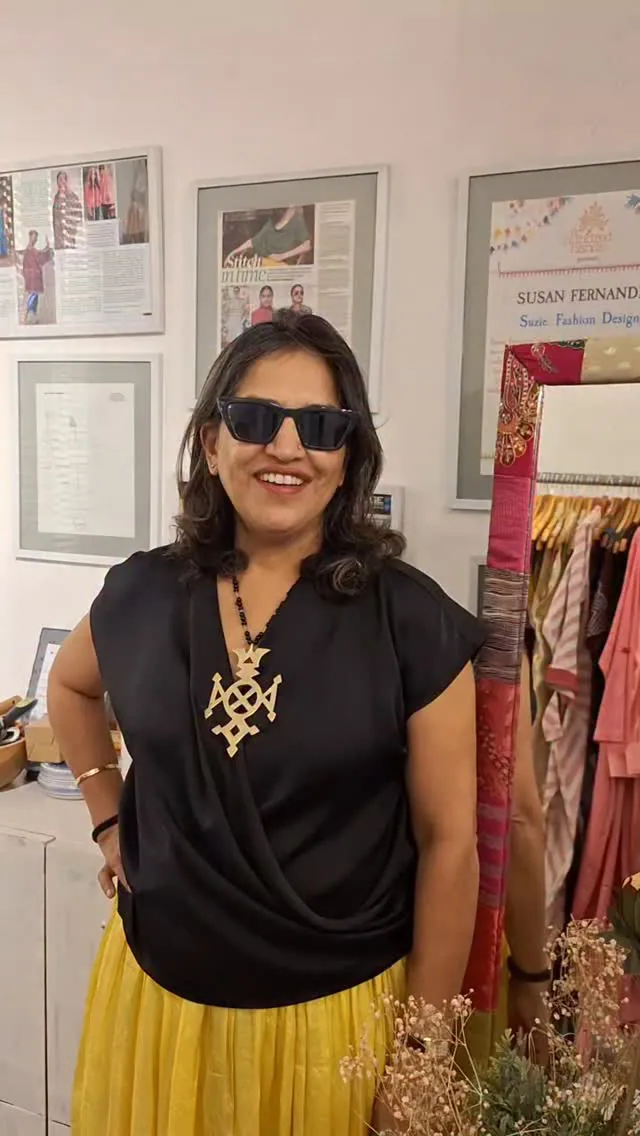
A turning point in this journey came during the pandemic, when the world—and wardrobes—came to a standstill. With weddings postponed, celebrations cancelled and social calendars wiped clean, countless saris that were once worn only for special occasions lay untouched in cupboards. “Nobody was wearing their saris,” Susan recalls. With nowhere to go for two or three years, she began reworking her own saris, initially just for herself. What started as a personal experiment soon became something much bigger when she shared these transformations on Instagram. The response, she says, was immediate and emotional.
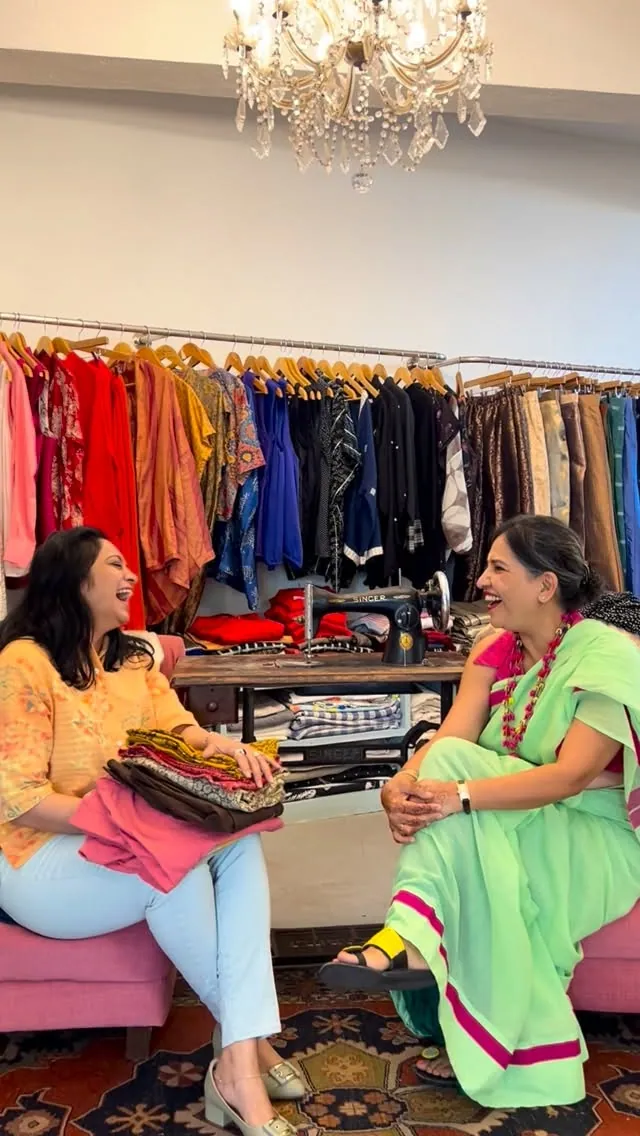
Soon, clients began approaching her with saris that belonged to their mothers and grandmothers—garments steeped in memory, sentiment and family history. These were not just pieces of fabric; they were witnesses to weddings, festivals and milestones. Susan began transforming them into sharply tailored bomber jackets, elegant trench coats, fluid jackets and structured separates. “The beauty is, you do feel their presence,” she says softly. “It’s warm around you.” In her hands, these heirlooms became more than clothes—they became wearable keepsakes, carrying stories that no newly bought fabric could ever replicate.
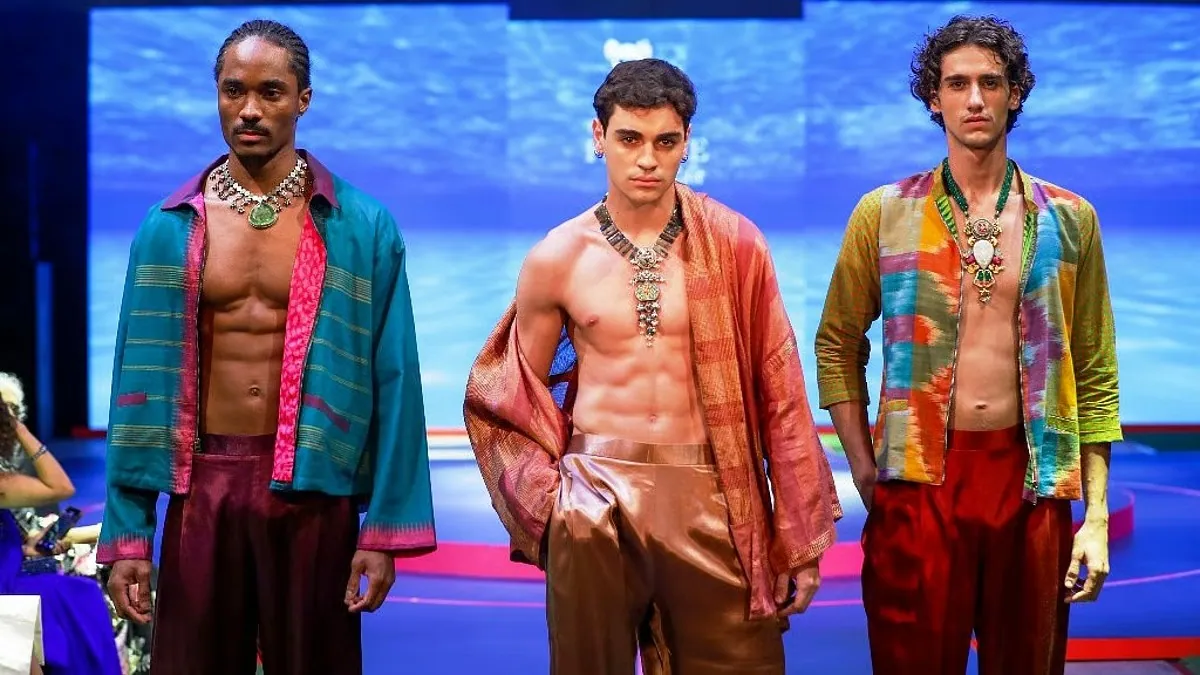
What sets Sustainable Suz apart is Susan’s refusal to take the predictable route. She is unapologetic about her dislike for obvious or conventional conversions. “I cannot bear saris converted into salwar kameez,” she admits. “It’s the most boring thing on earth.” Instead, her design language leans towards Western silhouettes—fitted waistcoats, long trench coats, jackets, and coordinated top-and-trouser sets—crafted from unmistakably Indian textiles. The result is a wardrobe that feels global in form yet deeply rooted in tradition, bridging cultures and aesthetics with quiet confidence.
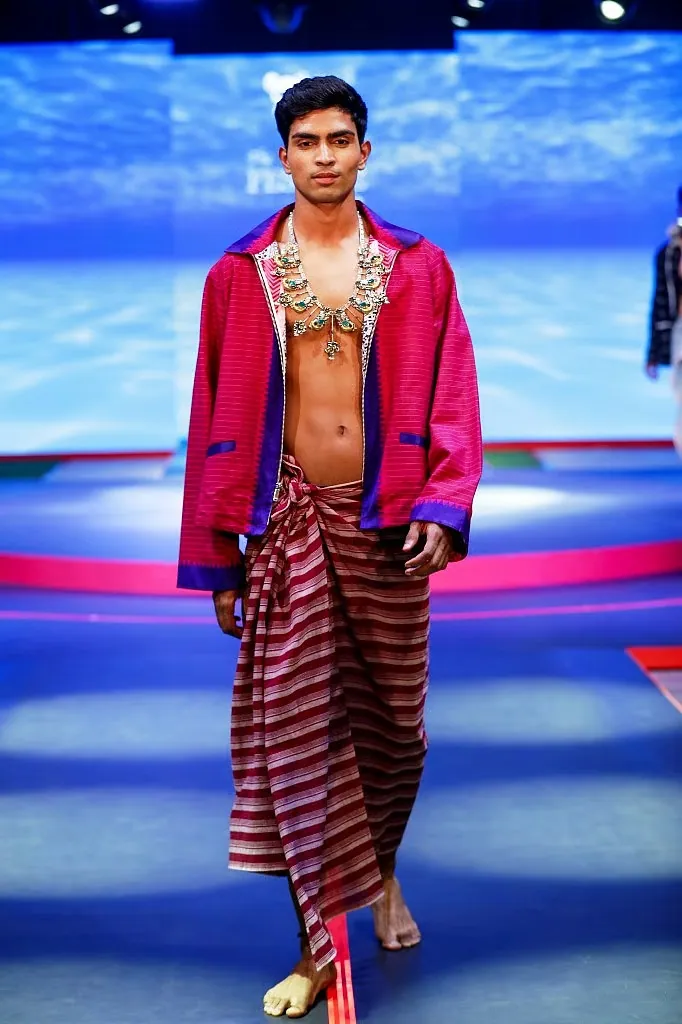

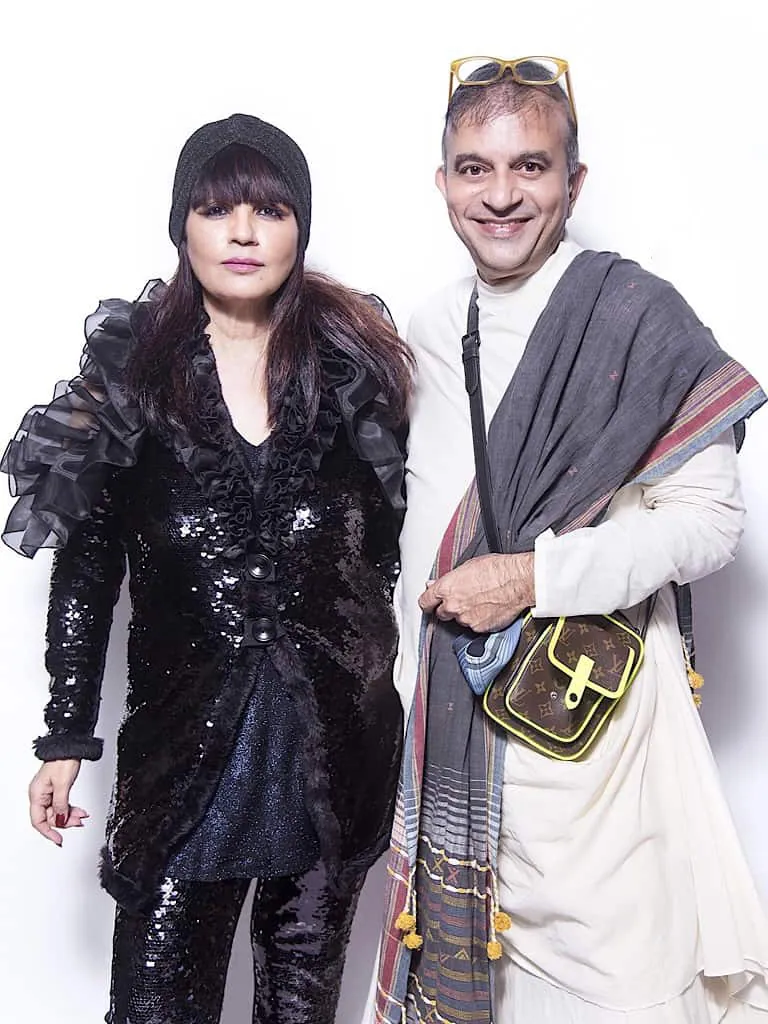
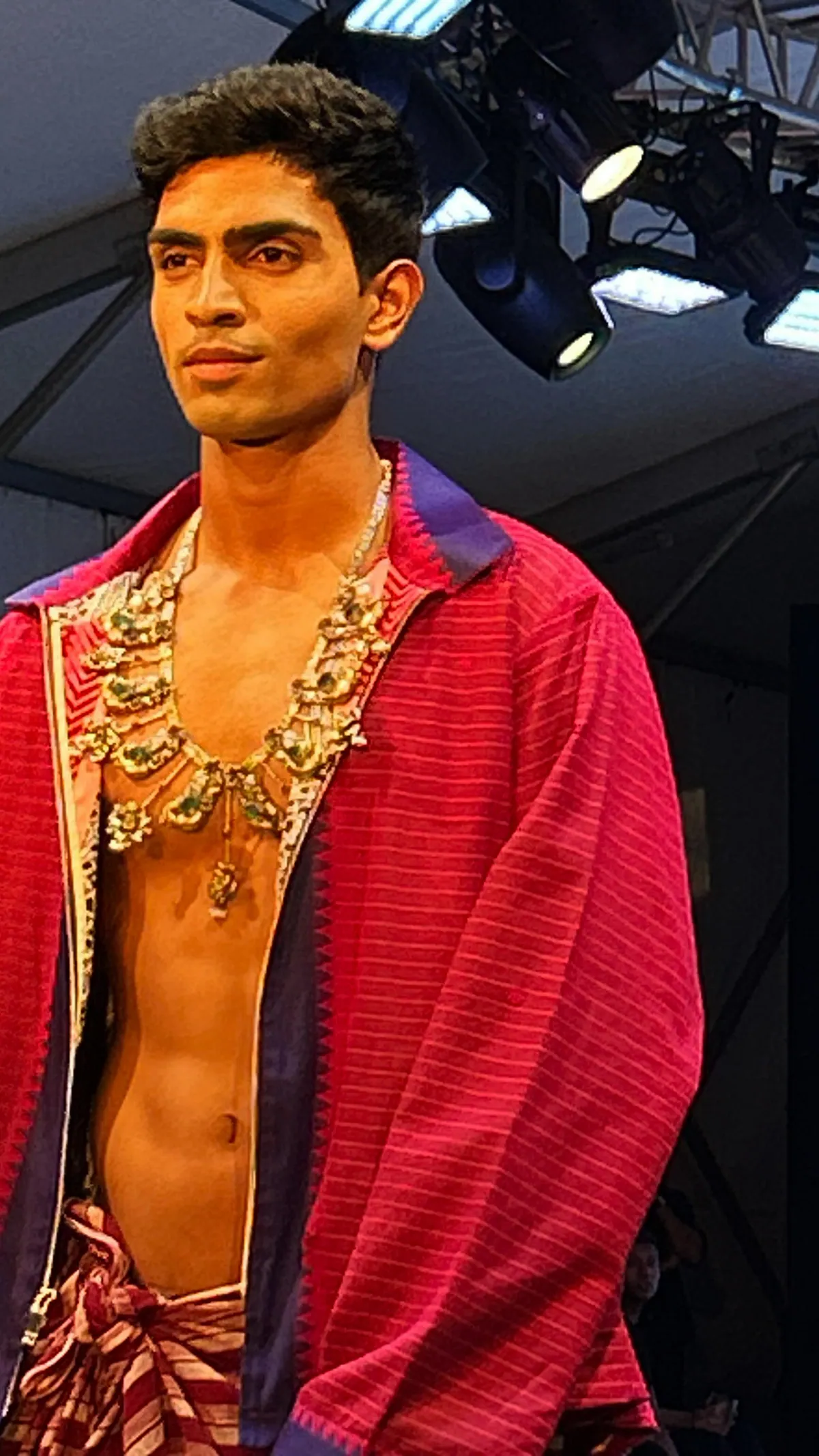
Her work also challenges rigid ideas of gender in clothing. For a recent show curated by Prasad Bidapa, Susan presented her silhouettes on male models, reinforcing her belief that good design should not be limited by gender labels. While this particular collection was made using newly sourced saris rather than upcycled heirlooms, her core principles remained unchanged. Every fabric was sourced from khadi and handloom units across India, collected during her travels through Bengal, Kerala and Andhra Pradesh. “When I travel, I only go to khadi and handloom shops,” she says. “You get the best of their local textiles.”


This commitment to Indian handloom is not just aesthetic—it is deeply ethical. Susan sees her work as part of a larger ecosystem that supports traditional artisans and regional textile cultures. By choosing khadi and handloom, she ensures that her designs remain connected to the people and processes behind the fabric, not just the final product. In an industry increasingly dominated by mass production and synthetic materials, this choice feels both deliberate and quietly radical.


Through her label Sustainable Suz, Susan has spent nearly three decades quietly building a body of work that proves fashion can be contemporary, expressive and responsible—all at once.
For Susan, detail does not stop at what the eye can see. The inside of a garment, she believes, is just as important as the outside. The linings of her jackets and coats are often made from pure cotton or silk saris, never synthetic. “The inside that touches you should be as beautiful,” she insists. It is a philosophy that speaks of comfort, care and respect—both for the wearer and for the material itself. Her clothes are designed not just to look good, but to feel right.
There is also something refreshingly anti-industry about the way Sustainable Suz operates. Susan does not believe in seasonal collections, trend cycles or the pressure to constantly produce something new. “India never had seasonal clothing,” she points out. “We wore the same things year-round. We’re just aping the West with multiple collections—and wasting so much fabric unnecessarily.” At her studio, garments evolve organically, driven by intention rather than by calendars or fashion weeks.
The process itself is deeply personal. Clients do not simply place an order online and wait for a delivery. They visit the studio, bring their fabrics, discuss ideas, take measurements and become part of the journey. There is conversation, collaboration and trust involved at every step. In a world accustomed to instant checkouts and fast fashion, this slower, more intimate approach feels almost radical. It reminds us that clothing can still be about connection—between designer and client, between fabric and memory, between past and present.
Sustainable Suz, in many ways, offers an alternative vision of what fashion can be. It is not about spectacle, speed or excess. It is about care, continuity and thoughtful transformation. Susan Fernandes does not simply design garments; she reshapes relationships—with our clothes, with our memories, and with the materials we too often take for granted.
In an industry obsessed with what’s new, Susan’s work makes a compelling case for what already exists. By giving saris a second life and stories a new form, she proves that true sustainability is not just about saving fabric—it is about preserving meaning. And in doing so, she reminds us that the most powerful fashion statements are often the quietest ones, stitched patiently over time