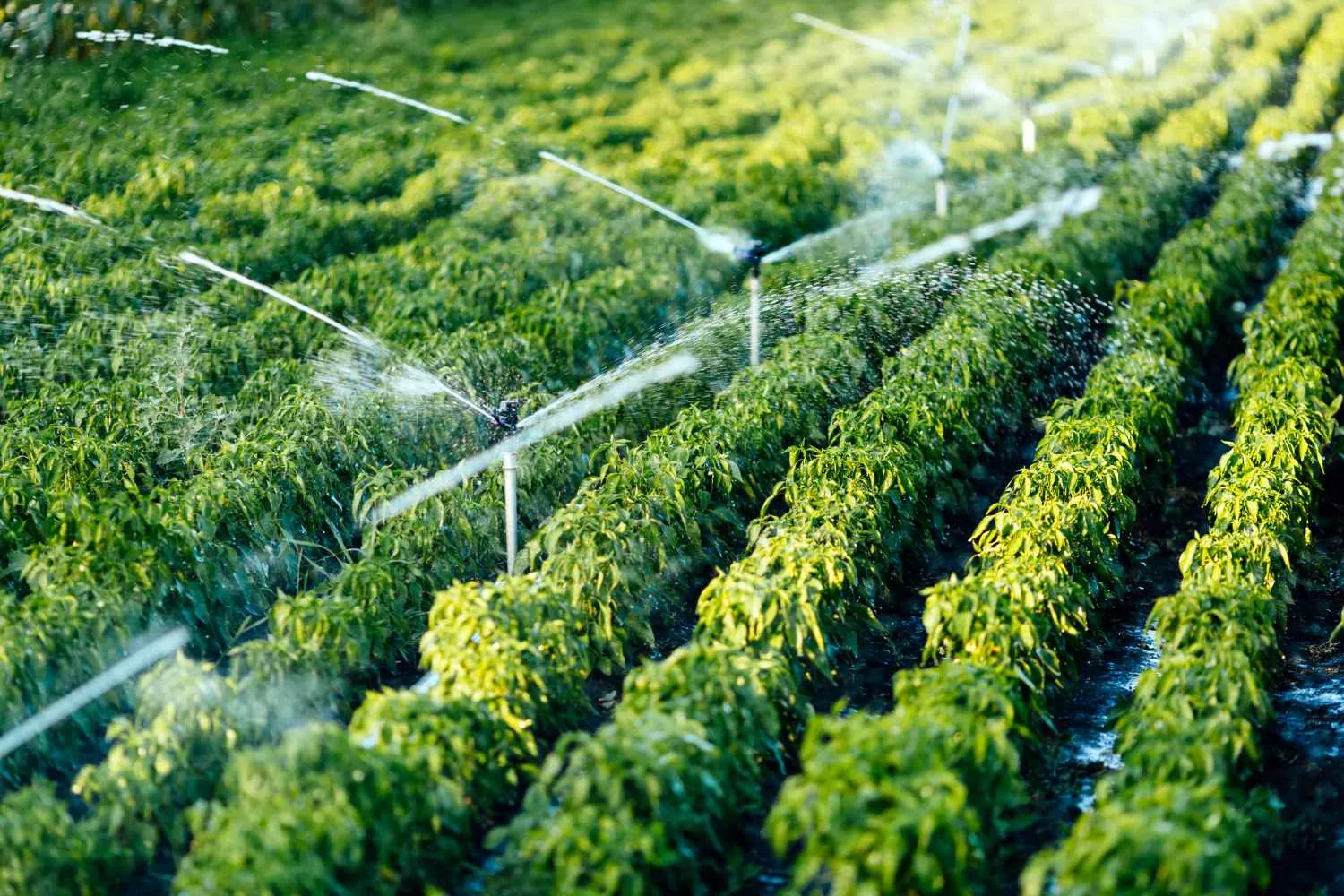
Agriculture in Karnataka is entering a new era. Driven by climate challenges, technological innovation and progressive government policies, the state’s farming sector is rapidly evolving into a modern, data-driven ecosystem. From precision irrigation and drone-assisted crop monitoring to digital farmer databases and organic farming incentives, Karnataka is setting benchmarks for sustainable agriculture in India. Recognising that farming today demands more than traditional cultivation methods, the Karnataka government has introduced several initiatives that combine technology with financial support. These programmes are helping farmers improve productivity, conserve natural resources and increase profitability while preparing agriculture for a climate-resilient future. As 2026 unfolds, Karnataka’s vision is clear—empower farmers through smart technologies, promote value addition, encourage sustainable practices and connect rural producers directly with larger domestic and global markets.
Building a Climate-Resilient Agricultural Future
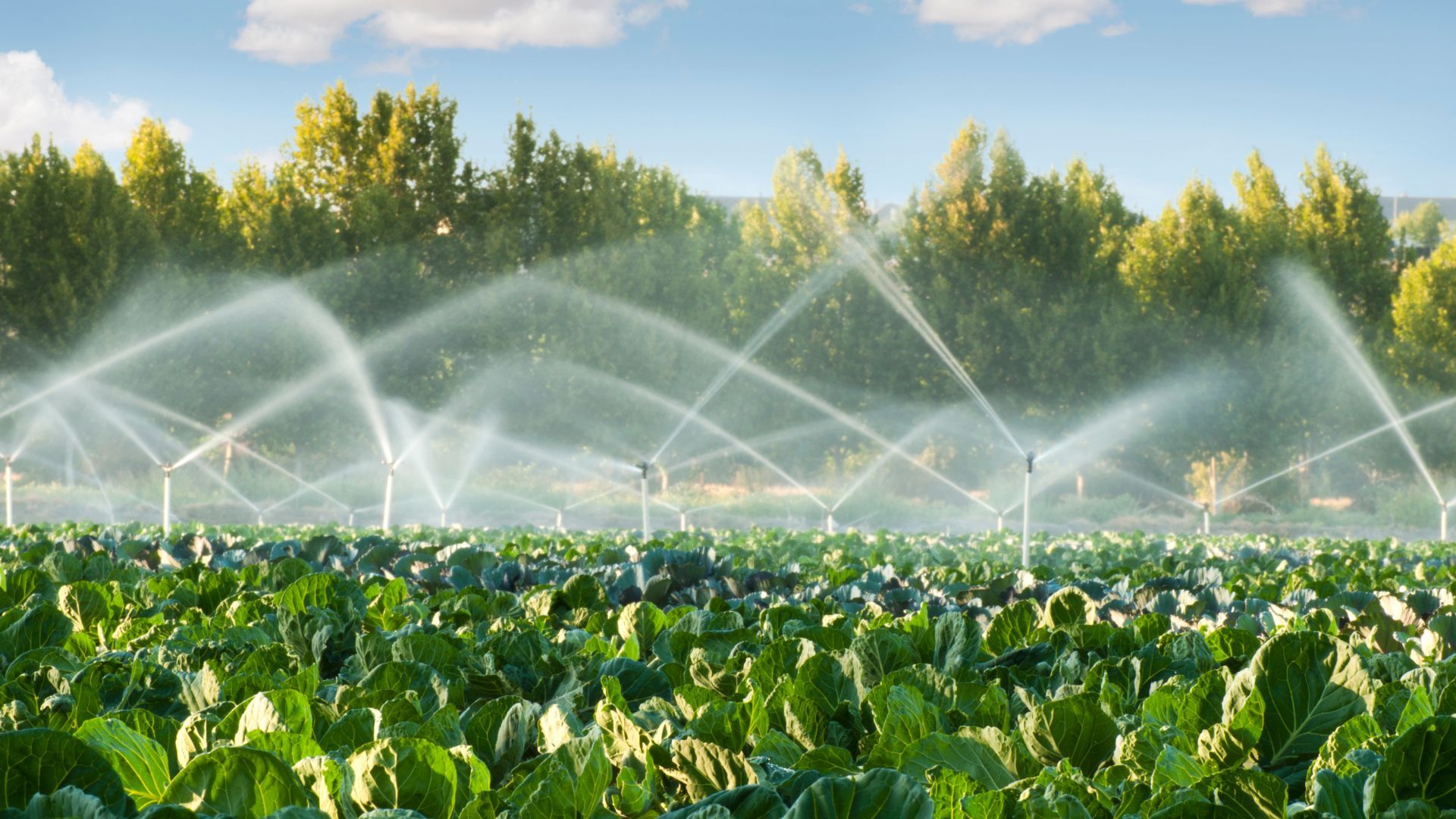
Changing rainfall patterns, recurring droughts and rising production costs have made climate resilience a priority for Karnataka’s agricultural sector. The state’s latest policies focus on improving water efficiency, soil health and resource management while encouraging farmers to adopt modern farming technologies. Precision agriculture has become one of the strongest pillars of this transformation. Technologies such as satellite mapping, Geographic Information Systems (GIS), Internet of Things (IoT)-based soil sensors and weather forecasting platforms enable farmers to make informed decisions regarding irrigation, fertiliser application and pest management. Digital soil health assessments now provide accurate information about nutrient deficiencies, allowing farmers to apply fertilisers only where needed. This scientific approach not only reduces production costs but also prevents excessive chemical use and protects soil fertility. Government support through subsidies further encourages the adoption of advanced machinery, drip irrigation systems, solar-powered pumps and organic farming inputs, making modern farming more accessible even to small and marginal farmers.
Digital Agriculture Takes Centre Stage
One of Karnataka’s biggest achievements has been the integration of digital technology into everyday farming operations. Farmers increasingly rely on mobile applications, automated weather advisories and drone technology to monitor crop growth. Drone-based surveillance enables early detection of pest infestations and nutrient deficiencies, allowing farmers to intervene before crop losses occur. IoT-enabled soil moisture sensors continuously monitor field conditions, ensuring irrigation is applied only when necessary. This precision significantly reduces water consumption while improving crop health and yield quality. Digital crop registration systems have also streamlined access to government assistance. Farmers can now apply for multiple schemes through integrated online platforms, reducing paperwork and ensuring greater transparency in subsidy distribution. The result is a farming ecosystem that is increasingly driven by real-time information rather than guesswork.
Government Schemes Driving Agricultural Growth
Several flagship schemes continue to play an important role in Karnataka’s agricultural development strategy.
Krishi Bhagya Scheme

Designed primarily for rain-fed farming regions, the Krishi Bhagya Scheme supports the construction of farm ponds, polythene lining and diesel pump sets through substantial subsidies. These water conservation structures help farmers store rainwater and maintain irrigation during prolonged dry spells, reducing dependence on uncertain monsoon rainfall.
Raitha Vidya Nidhi
This pioneering scholarship programme supports the higher education of farmers’ children by providing financial assistance ranging from ₹2,000 to ₹11,000 annually. Beyond agricultural development, the initiative aims to strengthen rural families through improved educational opportunities.
Promotion of Millets
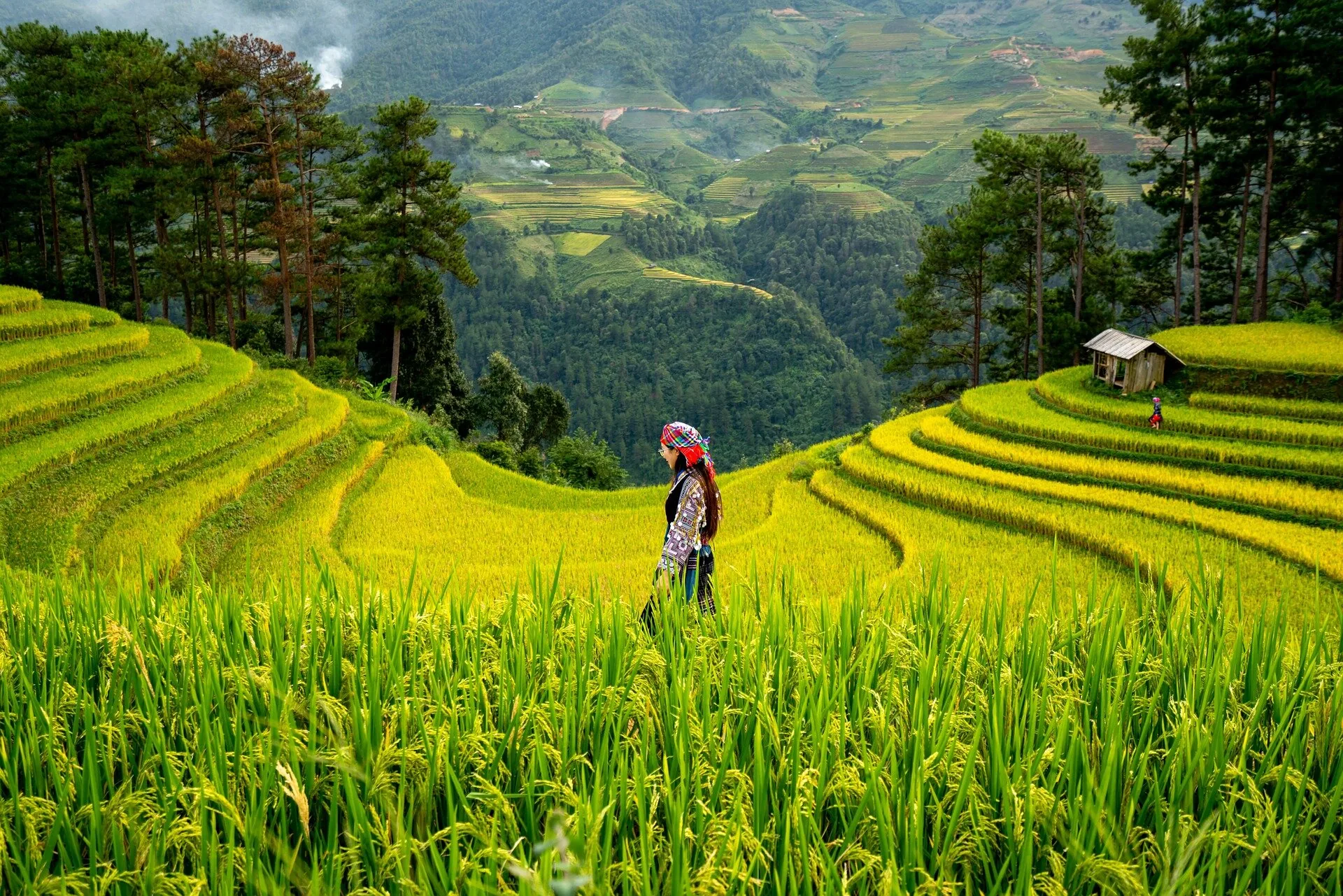

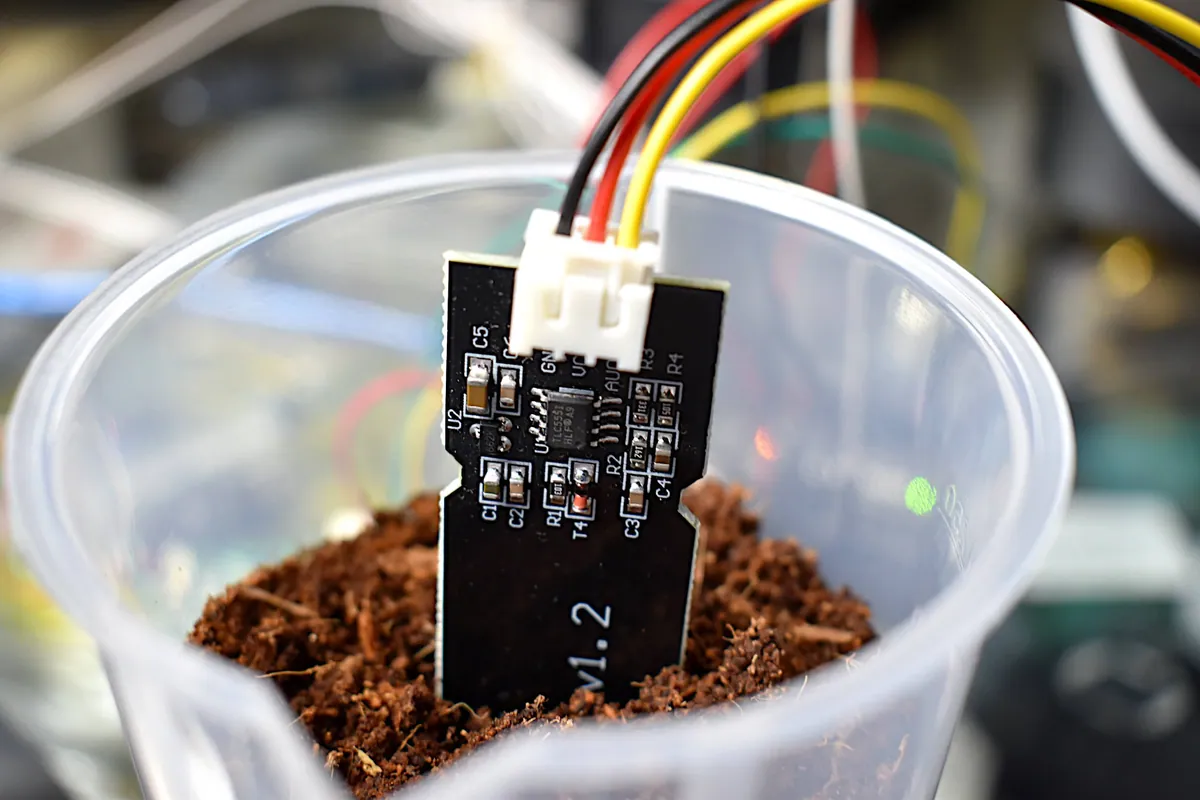
Karnataka continues to promote the cultivation of climate-resilient millets, often referred to as “Siridhanya.” Farmers receive incentives for cultivating these nutritious, low-water crops, encouraging sustainable farming while supporting the growing domestic and international demand for healthy grains.
Organic Farming Policy
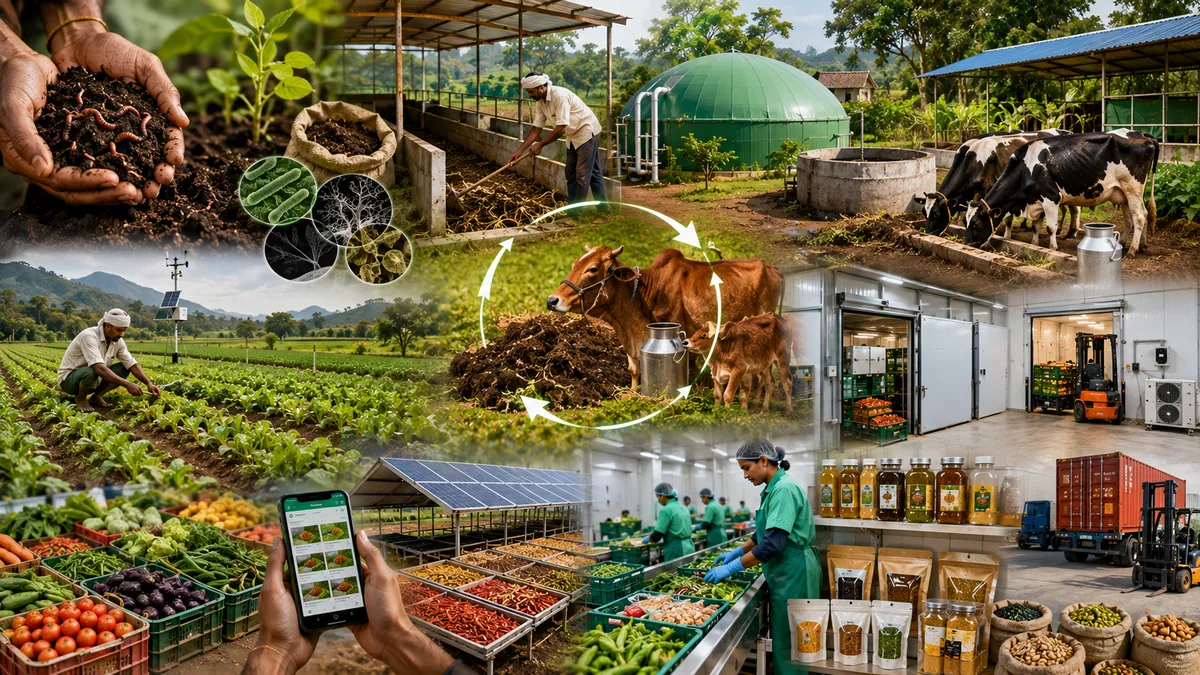
As one of India’s earliest adopters of an organic farming policy, Karnataka continues to strengthen natural farming practices. Financial assistance is available for establishing village-level organic input production units such as vermicompost systems and bio-fertiliser preparation centres. These initiatives reduce dependence on synthetic chemicals while improving long-term soil fertility.
FRUITS Portal Simplifies Farmer Services
From precision irrigation and drone-assisted crop monitoring to digital farmer databases and organic farming incentives, Karnataka is setting benchmarks for sustainable agriculture in India.
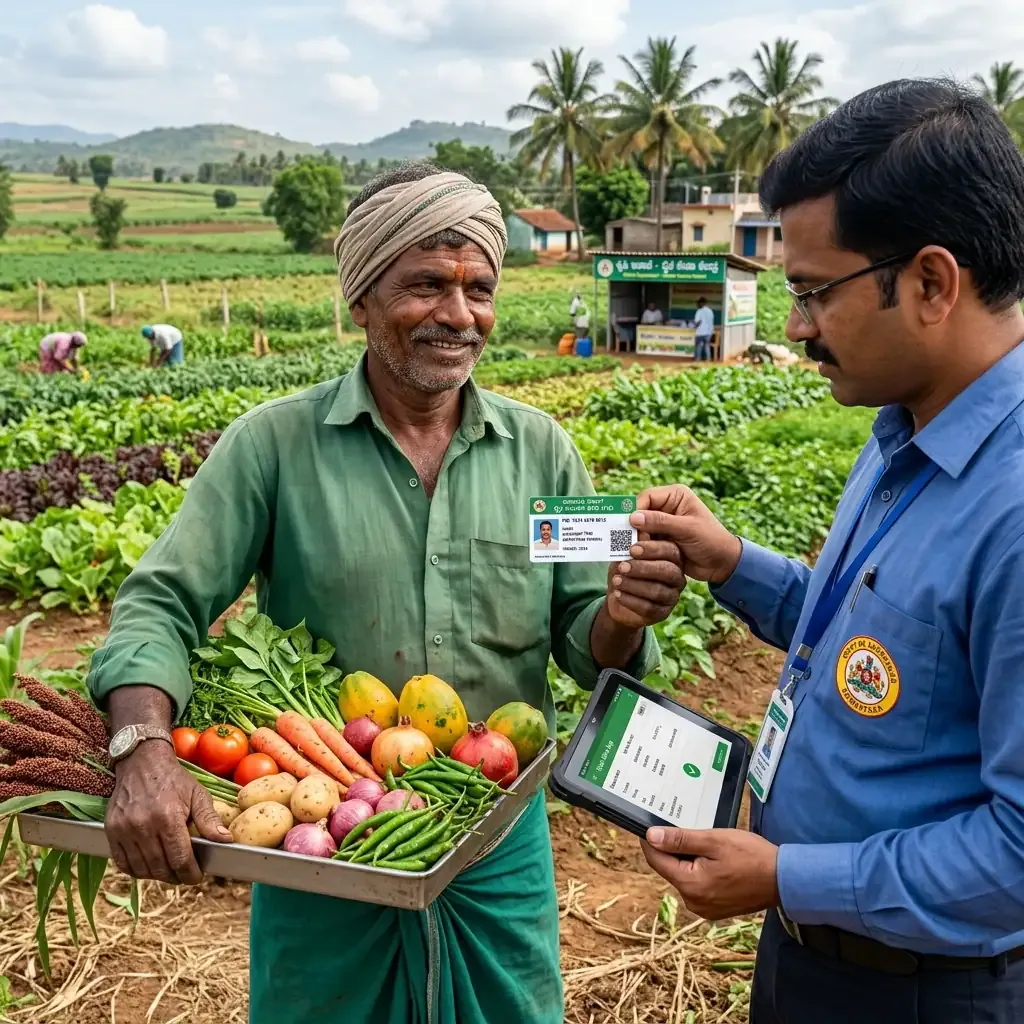
A major digital milestone has been the implementation of the Farmer Registration and Unified Beneficiary Information System (FRUITS). The portal provides every registered farmer with a unique digital identity linked to various government welfare schemes. Instead of submitting documents repeatedly for different subsidies, farmers can access multiple benefits through a single registration. The integrated platform has significantly improved transparency, reduced duplication and accelerated subsidy approvals, making government services more efficient and farmer-friendly.
Water Conservation Through Smart Irrigation
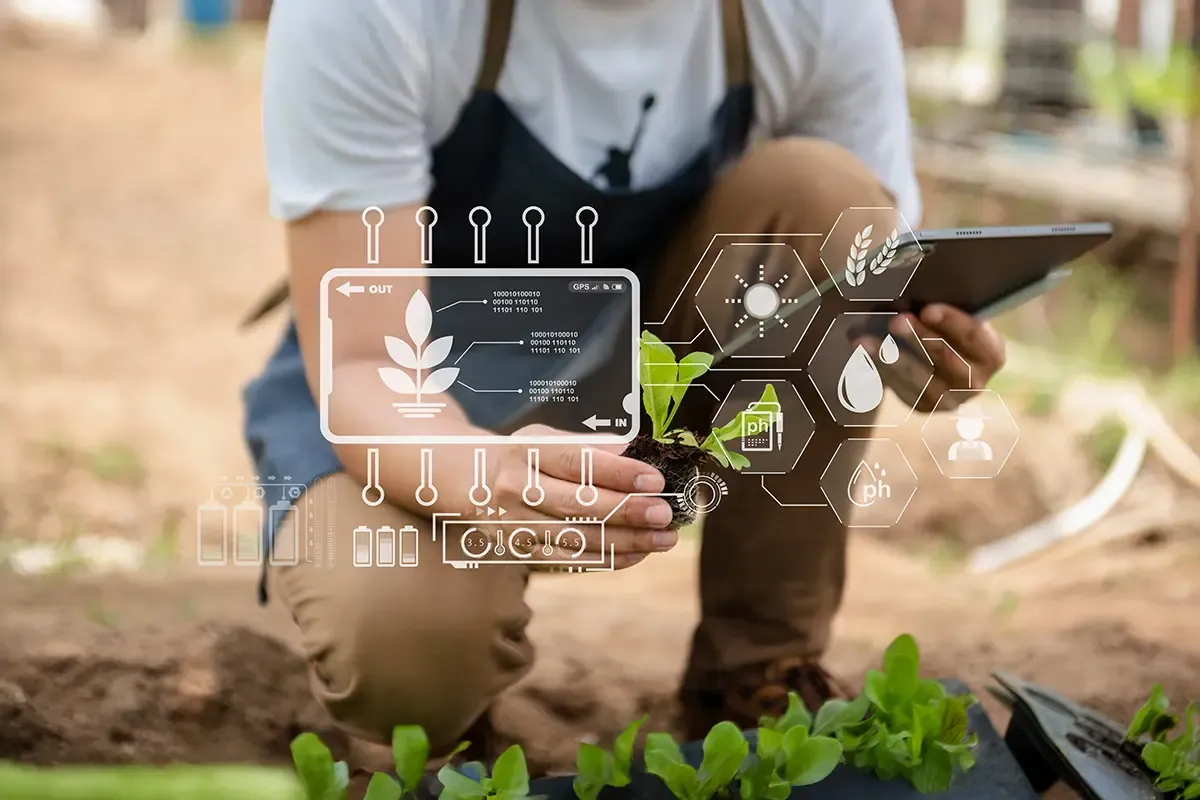
Water scarcity remains one of Karnataka’s biggest agricultural challenges. Consequently, efficient water management has become central to state policy. Farmers are increasingly adopting drip irrigation, micro-sprinkler systems and solar-powered irrigation pumps through government subsidies. These technologies deliver water directly to plant root zones, reducing evaporation losses and improving irrigation efficiency. Modern irrigation systems also allow the application of liquid organic fertilisers and bio-pesticides through fertigation, ensuring precise nutrient delivery while minimising wastage. Studies indicate that properly managed micro-irrigation systems can reduce water consumption substantially while maintaining or even increasing crop productivity.
Healthy Soil, Sustainable Farming
Improving soil health is equally important in Karnataka’s agricultural roadmap. The state encourages farmers to reduce excessive chemical fertiliser use and adopt biological alternatives such as vermicompost, bio-fertilisers and microbial formulations. These organic inputs improve soil structure, increase organic carbon levels and enhance microbial activity. Healthy soils support better water retention, stronger root development and improved resistance to drought stress. Earthworms, beneficial fungi and naturally occurring microorganisms thrive under such conditions, creating a living ecosystem that continuously replenishes soil fertility. The gradual shift toward regenerative agriculture also helps reduce greenhouse gas emissions while restoring long-term agricultural productivity.
Integrated Farming Creates New Income Opportunities
Karnataka is promoting integrated farming models that combine crop cultivation with livestock, dairy and organic waste management. Government incentives encourage farmers to establish biogas plants, vermicompost units and improved dairy infrastructure. Organic waste generated from livestock is converted into nutrient-rich compost, which returns valuable nutrients to agricultural fields. This circular farming model reduces dependence on chemical fertilisers, lowers production costs and creates an additional source of income through dairy production. By diversifying farm activities, households become less vulnerable to fluctuations in crop prices and unpredictable weather.
Value Addition Strengthens Rural Economy
Beyond increasing production, Karnataka is investing heavily in post-harvest infrastructure. Cold storage facilities, grading centres, packaging units and solar-powered drying systems are helping farmers preserve produce quality and reduce post-harvest losses. Value addition enables farmers to sell processed or packaged agricultural products rather than raw produce, significantly improving profit margins. Digital marketing platforms and integration with electronic agricultural marketplaces provide farmers with better price discovery and direct market access, reducing dependence on intermediaries. Premium organic produce, horticultural crops and processed food products are increasingly finding opportunities in both domestic retail chains and export markets.
Technology Partners Supporting Modern Agriculture
The rapid adoption of smart farming has also created opportunities for agricultural technology companies. Manufacturers now offer specialised equipment such as precision seed drills, organic waste shredders, vermicompost processing machinery, solar irrigation systems and automated farm implements designed to meet the needs of Karnataka’s diverse farming landscape. Many of these technologies are compatible with government subsidy programmes, enabling farmers to modernise operations without bearing the full financial burden. Technical support, installation services and subsidy documentation assistance further simplify adoption.
Harvesting the Future with Innovation
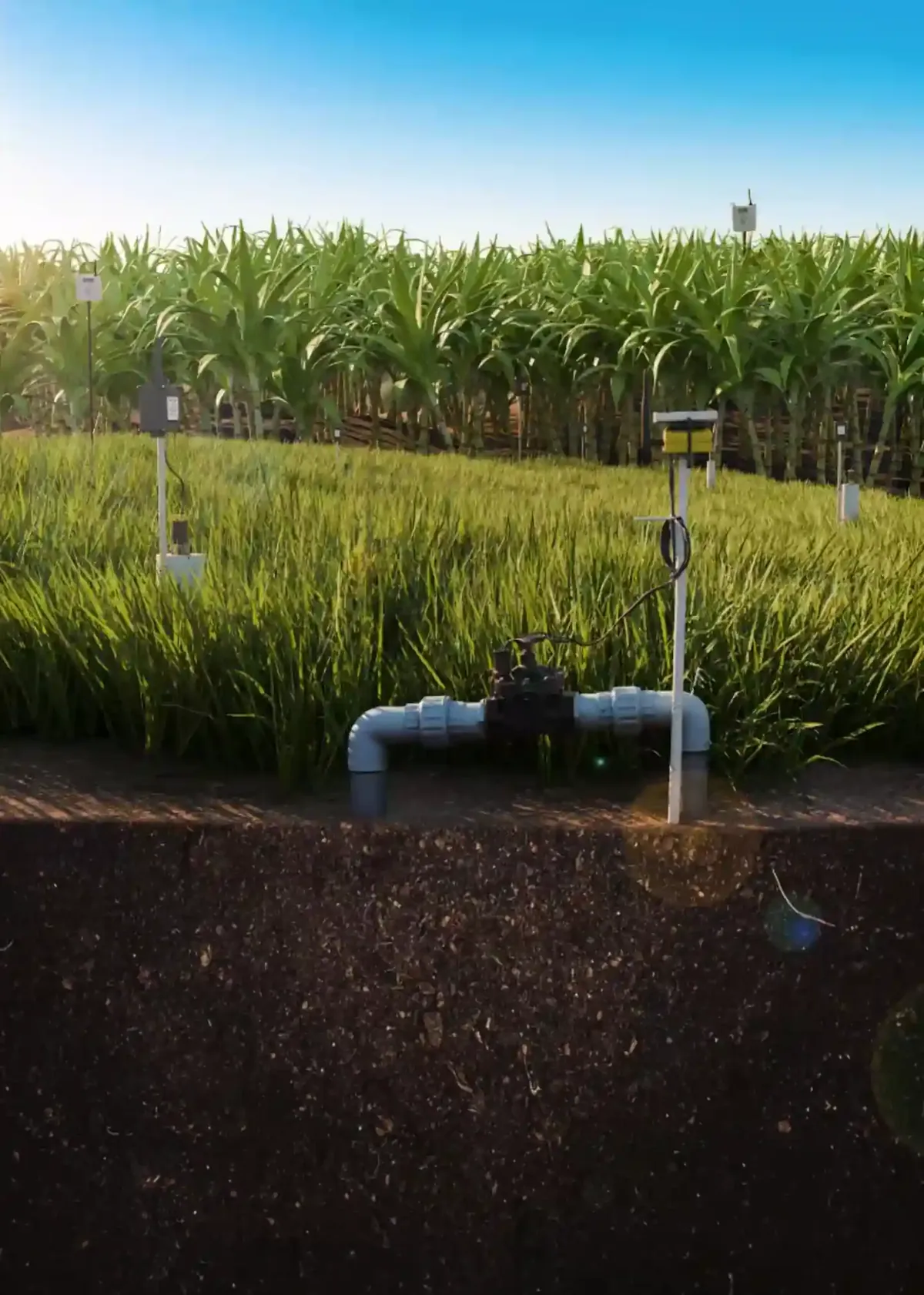
Karnataka’s agricultural transformation demonstrates how technology, sustainability and progressive policymaking can work together to build a stronger rural economy. Digital platforms are simplifying governance, smart irrigation is conserving precious water resources, organic farming is restoring soil health, and value-added agriculture is creating new income opportunities. At the same time, government schemes continue to reduce financial barriers for farmers adopting modern technologies. As climate change reshapes agricultural practices worldwide, Karnataka’s integrated approach offers a practical model for balancing productivity with environmental responsibility. By embracing innovation while protecting natural resources, the state is creating a resilient agricultural ecosystem capable of meeting future food security challenges while improving the livelihoods of millions of farmers.