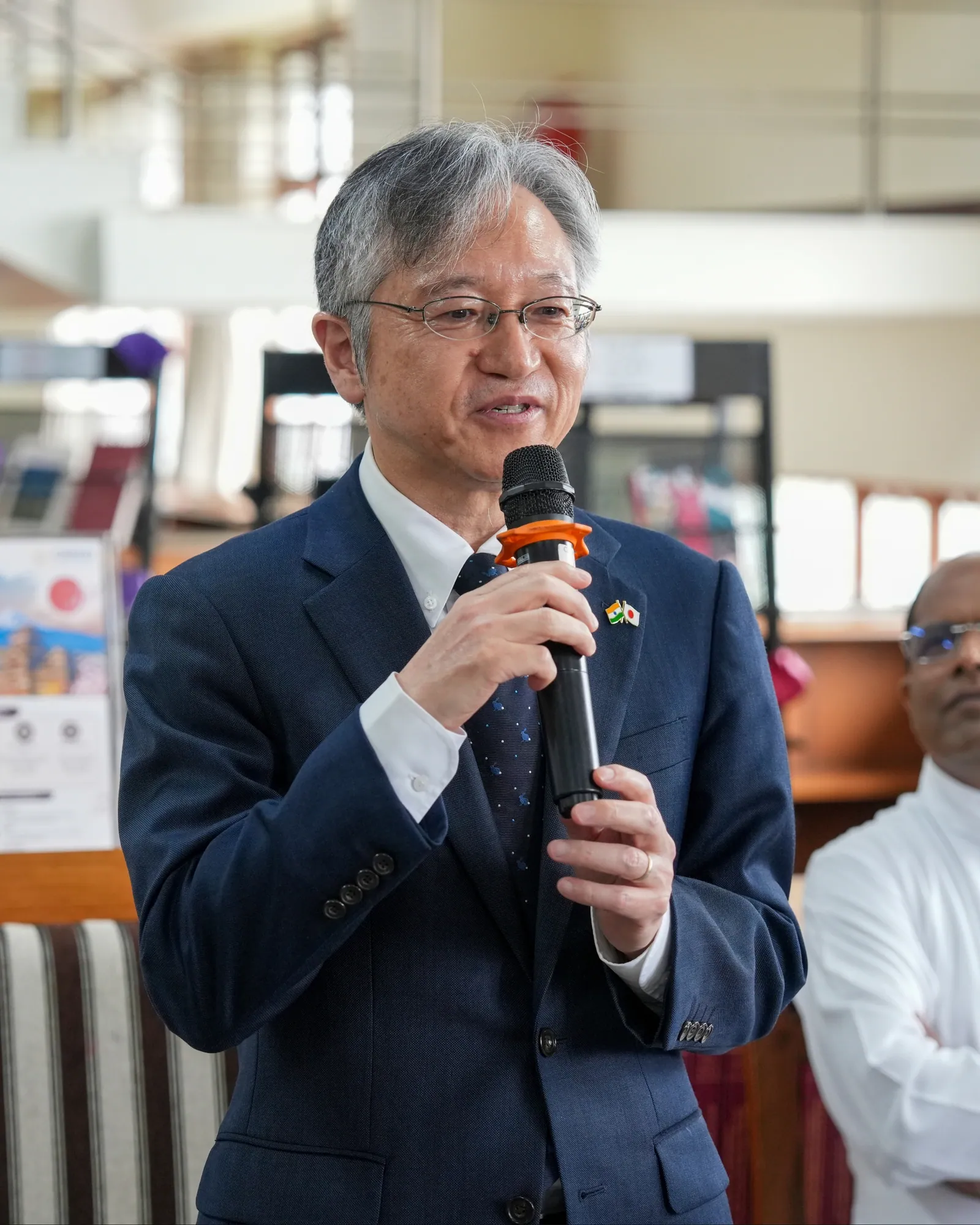
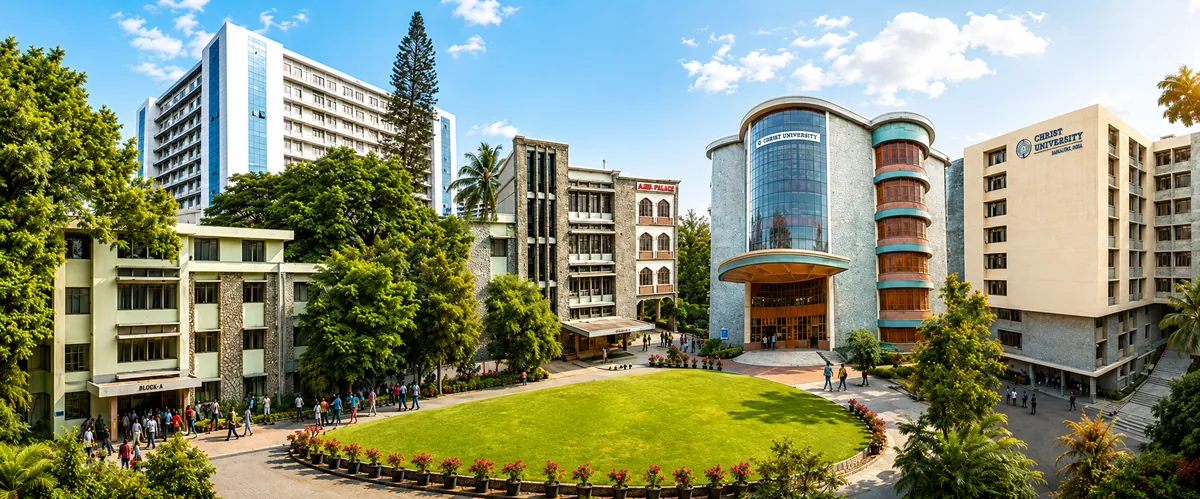
A new chapter in Japan–India cultural and academic exchange unfolded in Bengaluru with the launch of the Read Japan Project at Christ University. On August 12, Consul General Nawata attended a ribbon-cutting ceremony marking the initiative, which seeks to deepen awareness and understanding of Japan through access to English-language books. The project is an international book-donation initiative launched by The Nippon Foundation in 2008. It provides carefully selected books on Japan to universities, libraries and research institutions overseas, with the broader objective of encouraging informed engagement with Japanese history, society, culture, politics, economics and other fields. The programme is now administered by the Tokyo Foundation for Policy Research with financial support from The Nippon Foundation.
Connecting Students with Japan Through Books
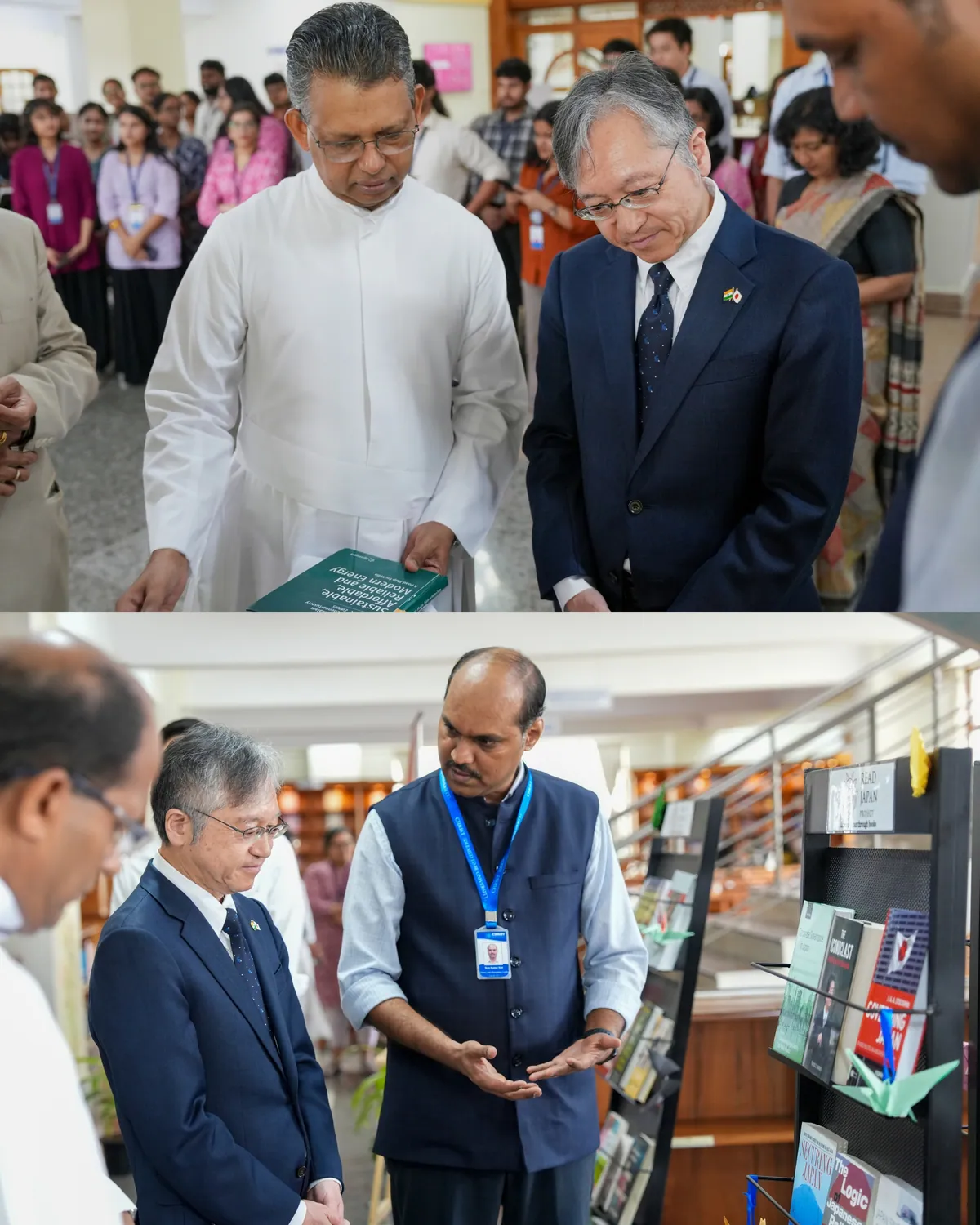
The Read Japan Project is designed not only for specialists in Japanese studies but also for young researchers, students, opinion leaders and intellectuals from diverse academic disciplines. Its collection spans subjects including politics and international relations, economics and business, society and culture, history, literature, the arts, Japanese language and manga. By bringing these resources to Christ University, the initiative can provide students and faculty with opportunities to explore Japan beyond popular perceptions, using academic and literary works as a foundation for deeper cross-cultural understanding. The project has expanded considerably since its launch. The programme says it has donated books to more than 1,400 institutions worldwide, reflecting its role in building international intellectual and educational connections.
Consul General Highlights
Japan–India Relations
The ceremony brought together approximately 100 faculty members and students. Consul General Nawata addressed the gathering with a presentation on Japan–India diplomatic relations and Japan’s soft power, linking the book initiative to the broader relationship between the two countries. Japan and India have developed increasingly diverse ties spanning education, technology, business, culture and people-to-people exchanges. Initiatives such as the Read Japan Project add an important educational and cultural dimension to these relations by creating opportunities for students and researchers to engage directly with Japanese perspectives and knowledge.
Libraries as Spaces for Cultural Understanding
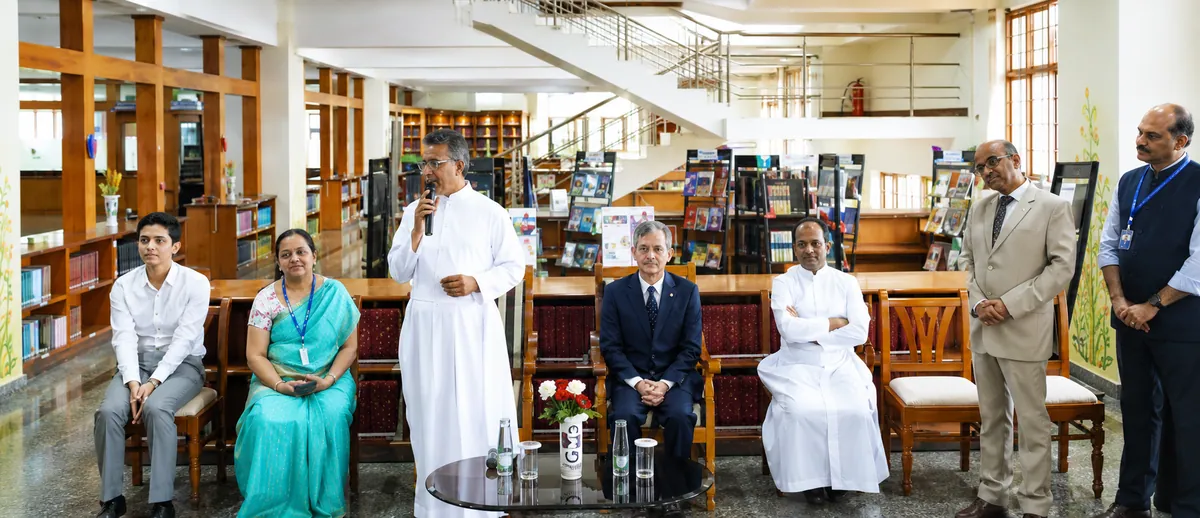
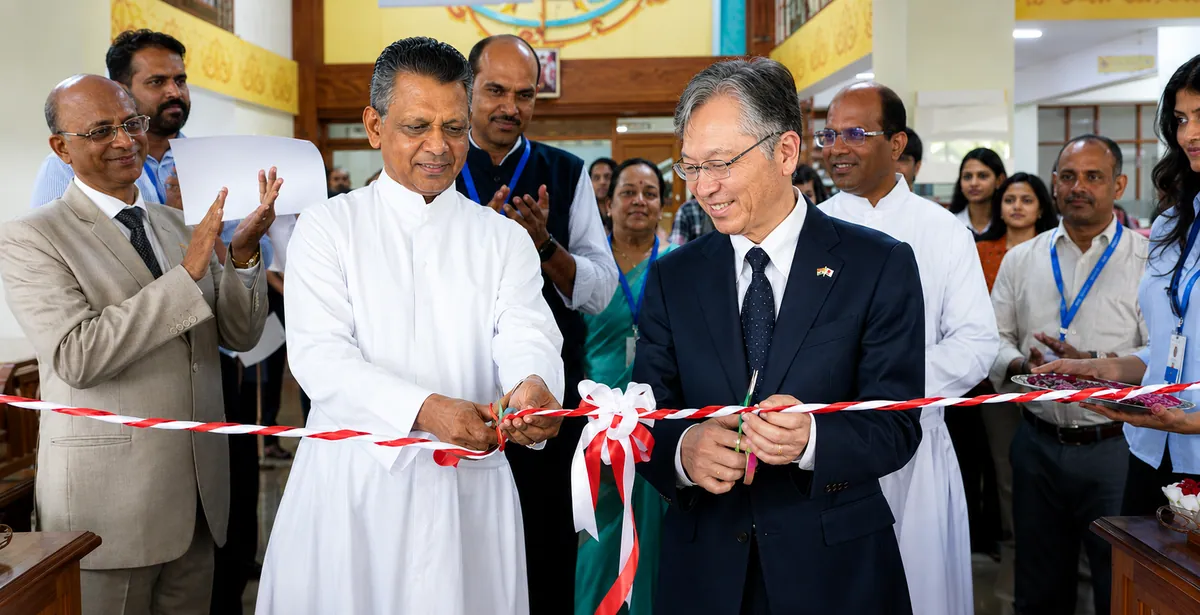
The Read Japan Project is designed not only for specialists in Japanese studies but also for young researchers, students, opinion leaders and intellectuals from diverse academic disciplines.
The launch also underlined the continuing importance of libraries in an increasingly digital world. While information is widely available online, curated books remain valuable resources for sustained reading, research and critical engagement.
For students, a dedicated collection on Japan can become a starting point for discovering the country’s history, traditions, contemporary society and global role. It can also encourage research collaborations and conversations between Indian and Japanese academic communities.
Celebrating the Role of Librarians
The initiative comes alongside a wider recognition of the people who make such knowledge accessible. National Librarians’ Day celebrates librarians and their contribution to education, research and lifelong learning. Librarians do more than maintain collections. They guide readers towards relevant resources, support academic inquiry and help transform libraries into spaces for discovery and intellectual exchange. In projects such as Read Japan, their role becomes especially significant in connecting donated resources with the students and researchers who can benefit from them.
Strengthening People-to-People Connections
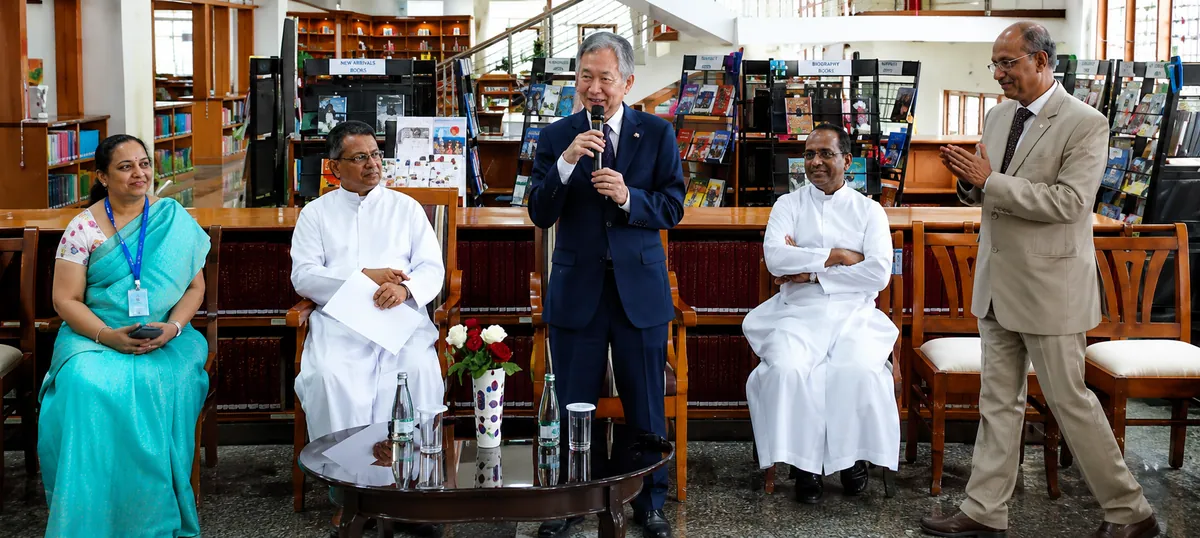
The Read Japan Project at Christ University represents more than a book donation. It demonstrates how education, literature and libraries can contribute to stronger international understanding. As students turn the pages of books about Japan, the initiative creates an accessible bridge between two countries with expanding ties. Through knowledge-sharing and cultural engagement, Bengaluru’s academic community gains another avenue to explore Japan while contributing to the broader foundation of Japan–India people-to-people relations.