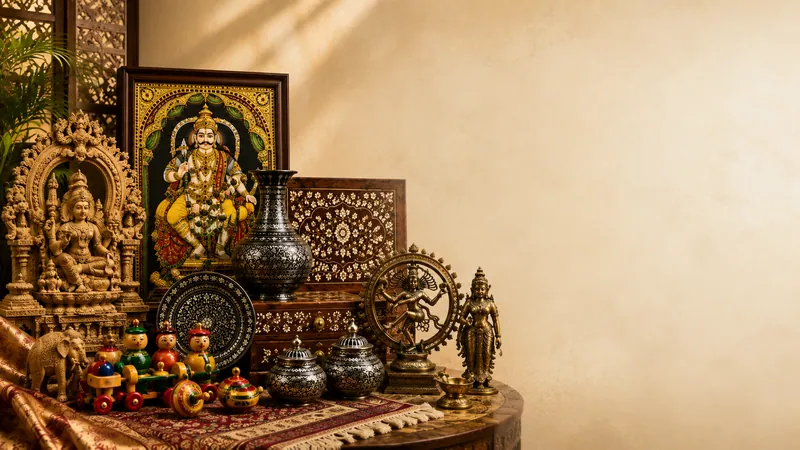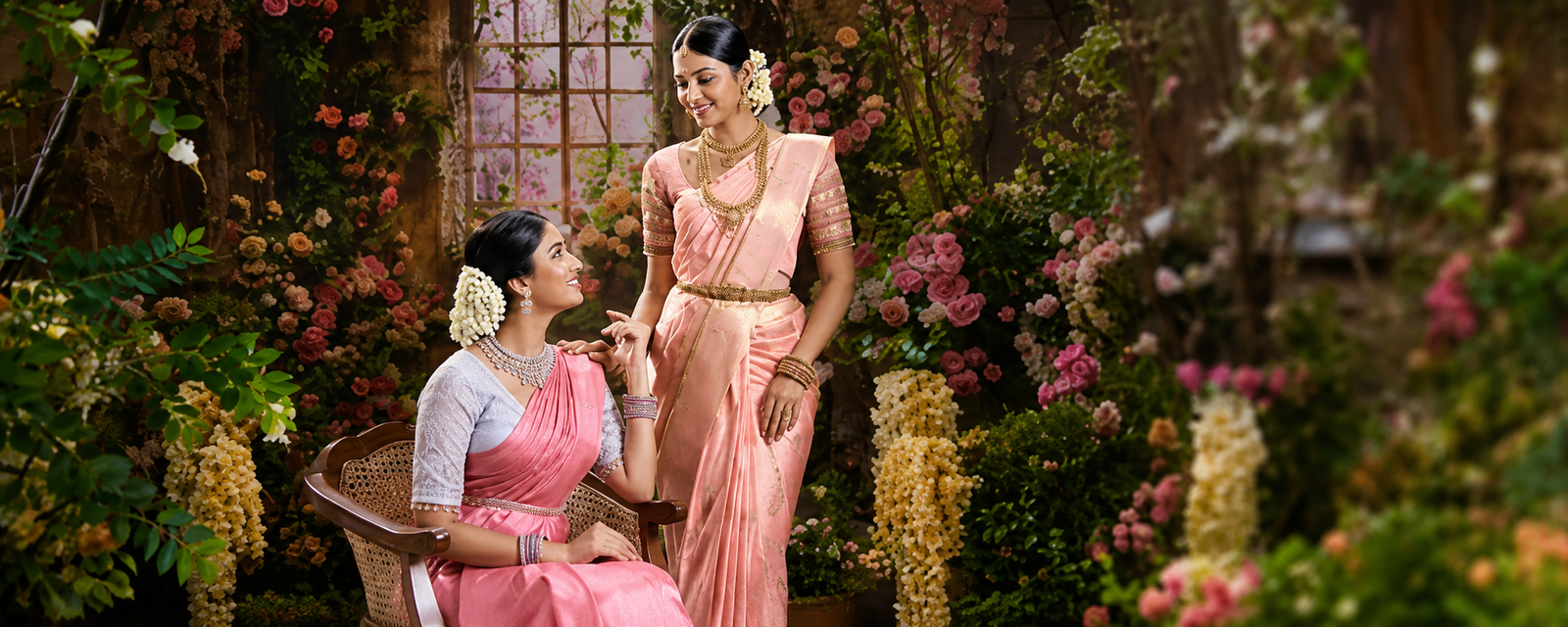
In Karnataka, the saree remains far more than an item of clothing. It is woven into weddings, festivals, family traditions and everyday expressions of identity. Bengaluru, in particular, has become a meeting point between this textile heritage and contemporary fashion. Within this landscape, Prashanti Sarees has established a significant presence through its stores in Malleshwaram and Jayanagar. Built around handwoven silks, silk-cottons, heritage weaves and modern interpretations of traditional Indian textiles, the brand represents a broader shift in Bengaluru’s fashion culture—one where craftsmanship is preserved, but presentation, accessibility and styling continue to evolve.
A Brand Built Around India’s Handloom Heritage

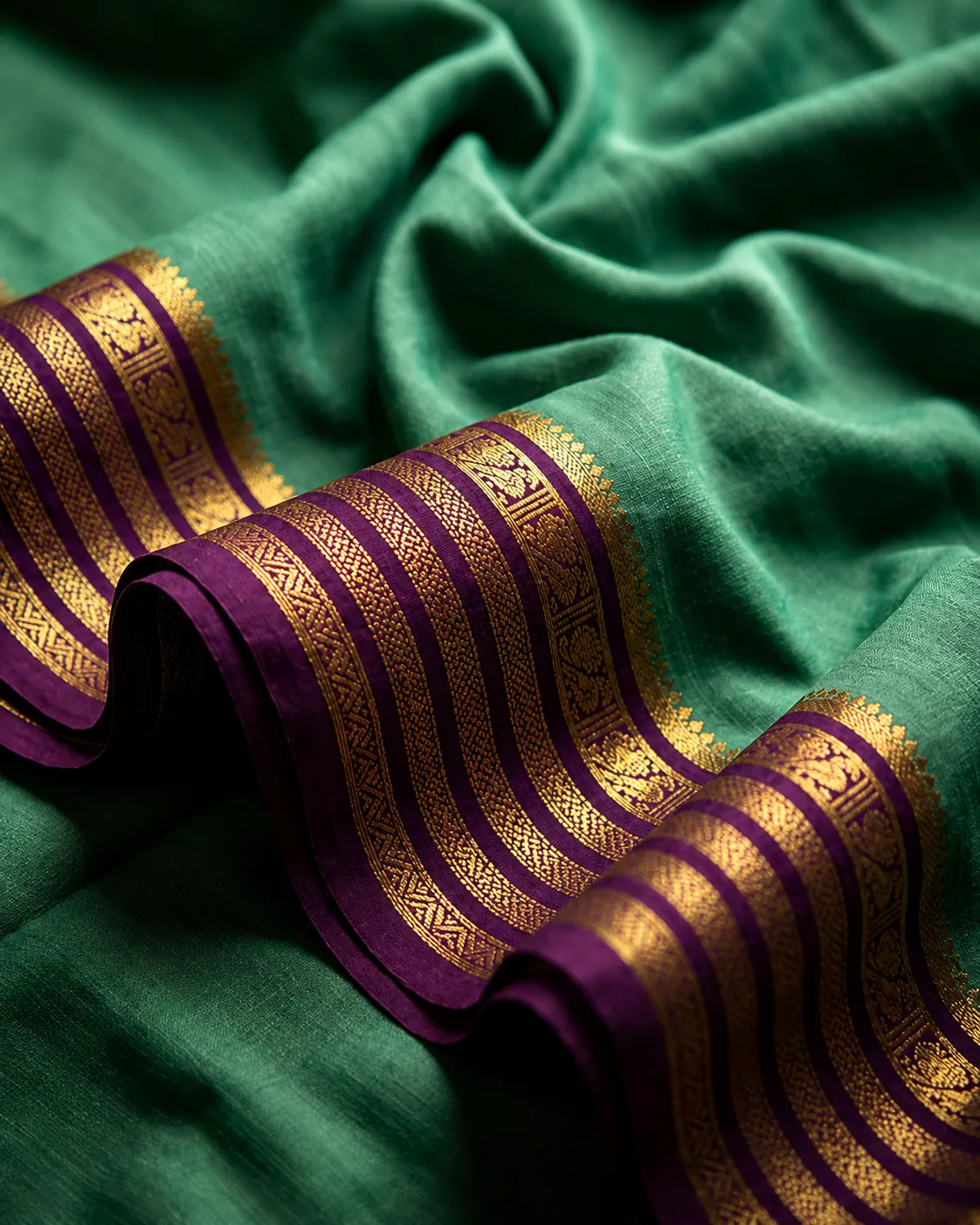
Prashanti’s story is closely associated with Brindha Padmanaabhan, whose interest in India’s handloom traditions shaped the brand’s approach to saree curation. The company describes its philosophy through the idea of “Tradition for generations”, positioning the saree as something that can remain culturally meaningful while adapting to changing tastes. The original material describes Prashanti as having more than two decades of experience and identifies authenticity, quality and timeless style as central to the brand. It also highlights Padmanaabhan’s role in bringing together sarees from different weaving traditions across India. That diversity is important. The Indian saree market cannot be represented by a single weaving tradition. Different regions have developed distinct relationships with silk, cotton, zari, colour, motifs and weaving techniques. Prashanti’s assortment consequently moves across Kanchipuram silks, Banarasi textiles, silk-cottons, tussars, organzas, linens, chiffons and several other regional traditions.
Bengaluru Becomes an Important Chapter
Prashanti’s connection with Karnataka is particularly visible through Bengaluru. The company opened its Malleshwaram store in 2021 at Sampige Road, followed by its Jayanagar outlet in April 2022. These two locations place the brand within neighbourhoods that have long-established retail cultures and strong connections with traditional clothing and occasion shopping. Malleshwaram is especially significant in this context. The neighbourhood’s commercial streets combine old Bengaluru character with jewellery stores, textile retailers, flower markets, temples, restaurants and contemporary businesses. A saree destination here operates within an environment where traditional attire remains part of everyday cultural life. Prashanti’s Malleshwaram store reflects the breadth of its positioning. Its different floors accommodate casual and workwear sarees, pure Kanjivaram silks, heritage silks, designer sarees, silk-cottons, cottons, children’s ethnic wear, ready-made garments and dhotis. Jayanagar offers an equally extensive format. According to the company’s current store information, the Bengaluru outlet includes casual and workwear sarees, silk-cottons and cottons, pure Kanjivaram silks, heritage silks, designer sarees, jewellery, children’s ethnic wear and dress materials across multiple floors. Together, these outlets give Prashanti a substantial physical presence in Karnataka’s capital.
Where Karnataka’s Silk Culture Meets Wider Indian Traditions
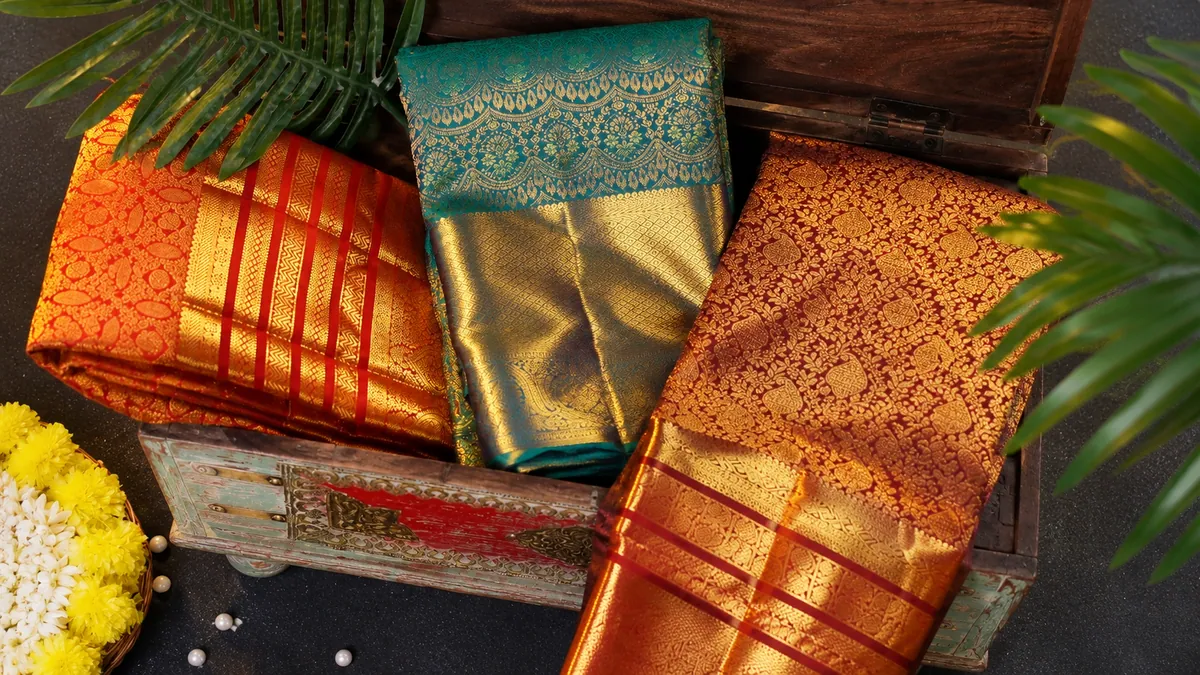
For Karnataka shoppers, silk occupies a particularly important place in ceremonial dressing. Mysore silk, with its understated elegance and lustrous finish, is one of the state’s best-known textile identities. Bengaluru’s saree market, however, has always been receptive to weaving traditions from neighbouring states and other parts of India as well. Prashanti operates within this interconnected textile culture.
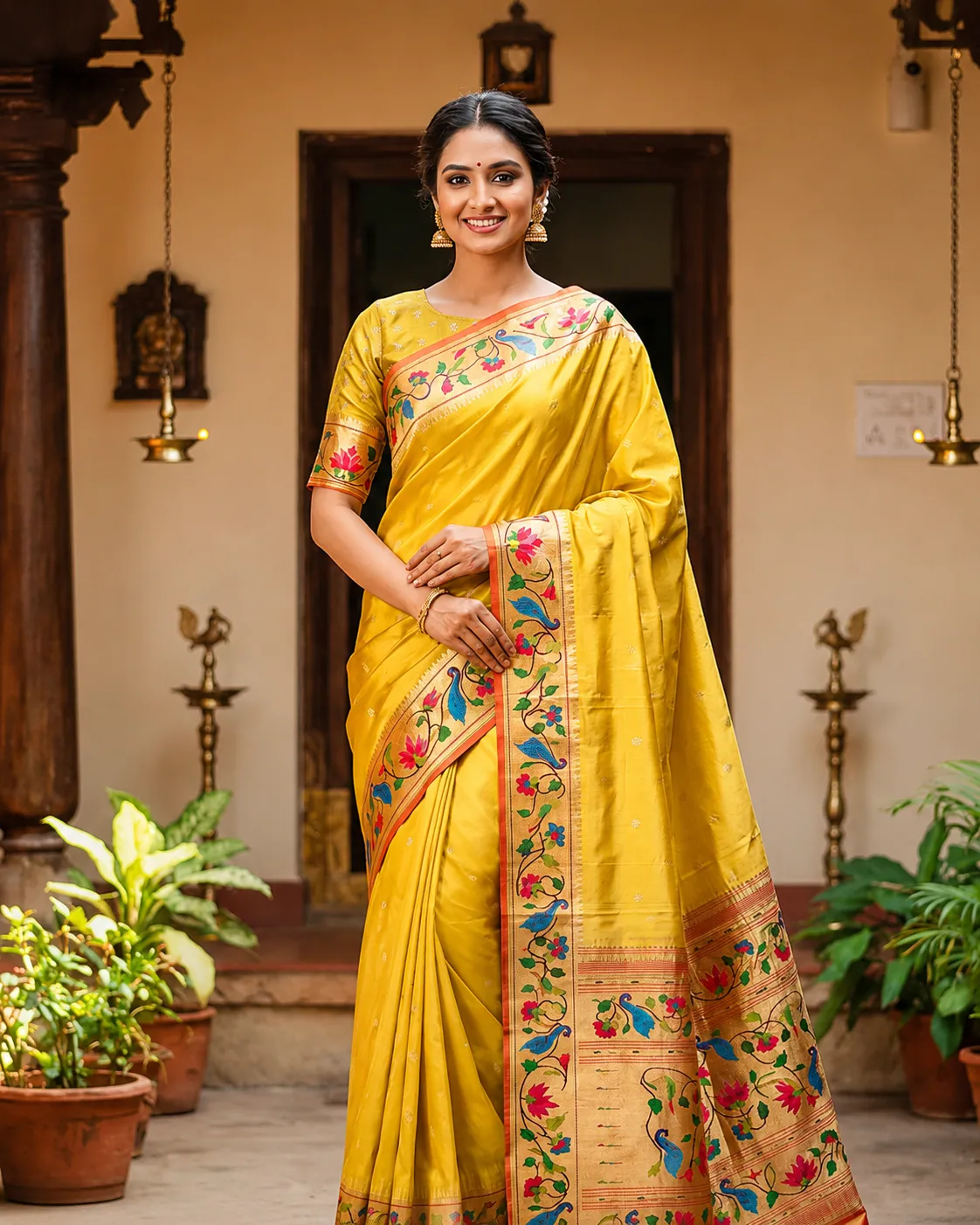
Its catalogue includes Mysore Crepe Silks alongside Kanchipuram, Gadwal, Pochampally Ikat, Uppada, Patola, Paithani, Chanderi and other heritage categories. This variety reflects the changing wardrobe of the modern saree wearer. A Bengaluru customer may choose a rich silk for a wedding, a silk-cotton for a religious celebration, a lightweight weave for work and a contemporary printed or designer saree for a social occasion. Rather than treating heritage textiles as museum pieces, this retail model keeps them circulating through contemporary wardrobes.
The Enduring Appeal of Silk-Cotton
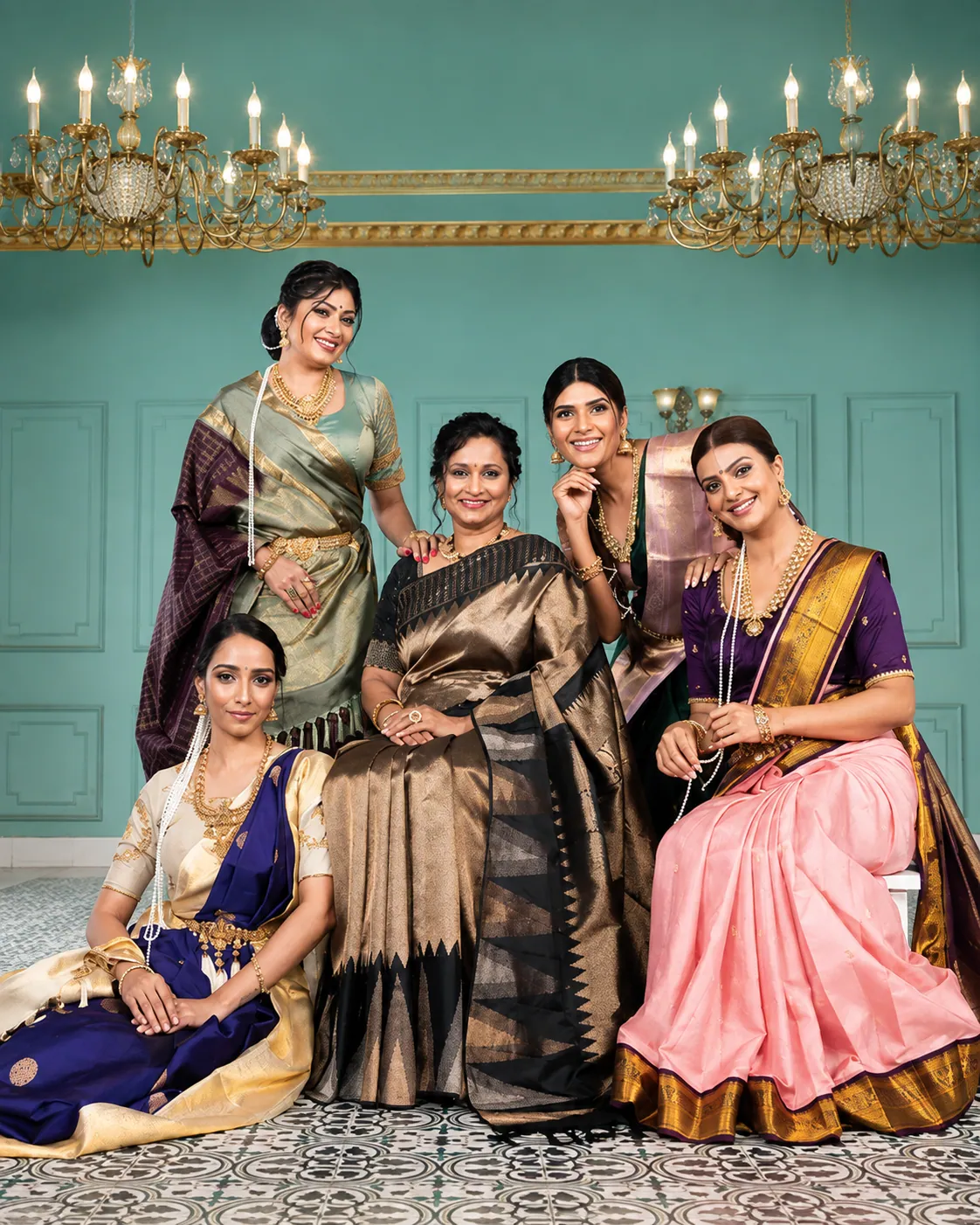

One of Prashanti’s particularly prominent categories is silk-cotton. The fabric occupies an interesting position between occasion dressing and everyday comfort. It provides some of the richness associated with silk while generally remaining lighter and easier to wear for extended periods. Prashanti’s collections extend from traditional silk-cottons to Kuppadam, Korvai, Kanchipuram silk-cottons, Ikat silk-cottons, Chanderi, Banarasi, Maheshwari and contemporary block-printed variations.
This breadth is relevant to Karnataka, where sarees continue to move comfortably between ceremonial and professional environments. Bengaluru’s workforce includes generations of women who combine traditional clothing with modern working lives, making adaptable fabrics particularly relevant. The brand’s own current positioning describes silk-cotton as an everyday luxury for women seeking both tradition and comfort.
From Bridal Silks to Everyday Sarees
In Bengaluru’s evolving fashion landscape, Prashanti illustrates one possible answer: preserve the weave, broaden the choice and allow tradition to find a place in the modern wardrobe.
The modern saree retailer has to serve very different customers. At one end is the bridal market, where textile selection can become one of the most important parts of wedding preparation. At the other is the woman searching for a practical saree for work, a family gathering or regular wear. Prashanti attempts to operate across this spectrum.
Its bridal collections prominently feature Kanchipuram silk, including pure silk and zari pieces. The company also provides in-store bridal consultations as well as online and video-assisted shopping, reflecting how traditional wedding purchases are increasingly supported by digital retail tools. At the same time, its broader catalogue includes cottons, semi-silks, casual sarees, printed collections, linen blends and workwear options. The original source also emphasises the brand’s intention to offer sarees for festive occasions, bridal dressing and everyday use. That range helps explain why large saree retailers continue to remain relevant even as Indian fashion becomes increasingly fragmented.
Tradition Moves Online
Perhaps the biggest transformation in India’s saree business has not occurred on the loom but on the screen. Prashanti launched its online store in 2017, extending a category traditionally dependent on touch, drape and in-person inspection into digital commerce. The company subsequently developed online services for customers outside India as well. For a Bengaluru shopper, this creates an interesting hybrid model. Customers can discover designs digitally and then visit Malleshwaram or Jayanagar to experience the fabric physically. Others can complete the entire purchase online. The company’s bridal shopping model illustrates this evolution particularly clearly: digital photographs and videos sit alongside WhatsApp assistance, video consultation and private in-store appointments. Technology, therefore, does not necessarily replace the traditional saree-shopping experience. Instead, it can become another way of accessing it.
Jewellery & the Complete Traditional Look
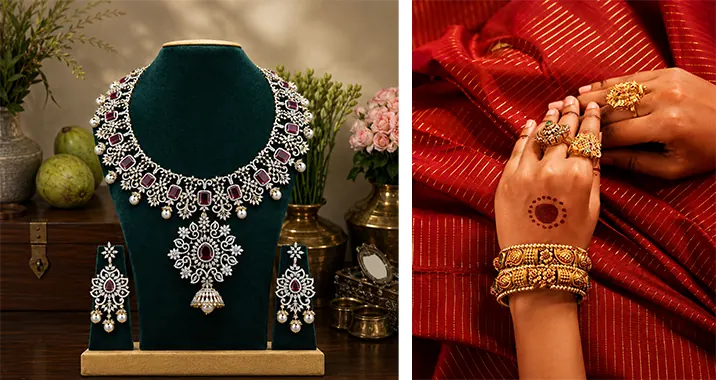
Prashanti’s retail universe has also expanded beyond the saree itself. Its jewellery offering includes necklaces, haarams, chokers, bangles, earrings and bridal accessories across antique, Jadau, pearl, oxidised and other finishes. This reflects a wider change in ethnic-fashion retail. Customers increasingly look for coordinated styling rather than purchasing each component separately. Saree, blouse, jewellery and accessories are being presented as parts of a complete visual identity. For wedding and festival shoppers in Karnataka, where jewellery and silk often carry strong ceremonial significance, such integrated retailing has obvious appeal.
Bengaluru’s Role in Keeping Saree Culture Dynamic
Bengaluru is frequently described through technology, start-ups and rapid urbanisation, yet that image represents only one side of the city. Traditional retail districts, temples, markets, textile stores and jewellery businesses continue to form an equally important part of Bengaluru’s identity. The popularity of saree shopping in areas such as Malleshwaram and Jayanagar demonstrates how cultural practices persist within a rapidly changing metropolis. Prashanti’s decision to operate substantial stores in both neighbourhoods reflects that continuity. Malleshwaram opened in 2021 and Jayanagar followed in 2022, creating two Karnataka touchpoints within the brand’s wider network of stores across southern India. More importantly, their collections demonstrate that preserving tradition does not necessarily mean resisting change. A Kanchipuram silk may retain the visual language associated with generations of weaving while being discovered through Instagram, viewed through a smartphone, discussed over WhatsApp and purchased online. A silk-cotton can retain traditional borders while being styled for a modern workplace. A heritage saree can become part of a contemporary wedding wardrobe.
Weaving the Past into the Future
The continuing appeal of the saree lies partly in this ability to evolve without losing its identity. Prashanti’s Bengaluru presence sits at the intersection of these two forces. Its stores bring together elaborate bridal silks and accessible everyday sarees, regional handloom traditions and contemporary designs, physical retail and digital shopping. For Karnataka, that story has wider significance. Bengaluru’s growth as a global city has not erased its relationship with traditional clothing. Instead, it has created new ways for heritage fashion to survive, circulate and reach younger consumers.
The saree may be centuries old, but its future will depend on how effectively craftsmanship can coexist with changing lifestyles. In Bengaluru’s evolving fashion landscape, Prashanti illustrates one possible answer: preserve the weave, broaden the choice and allow tradition to find a place in the modern wardrobe.