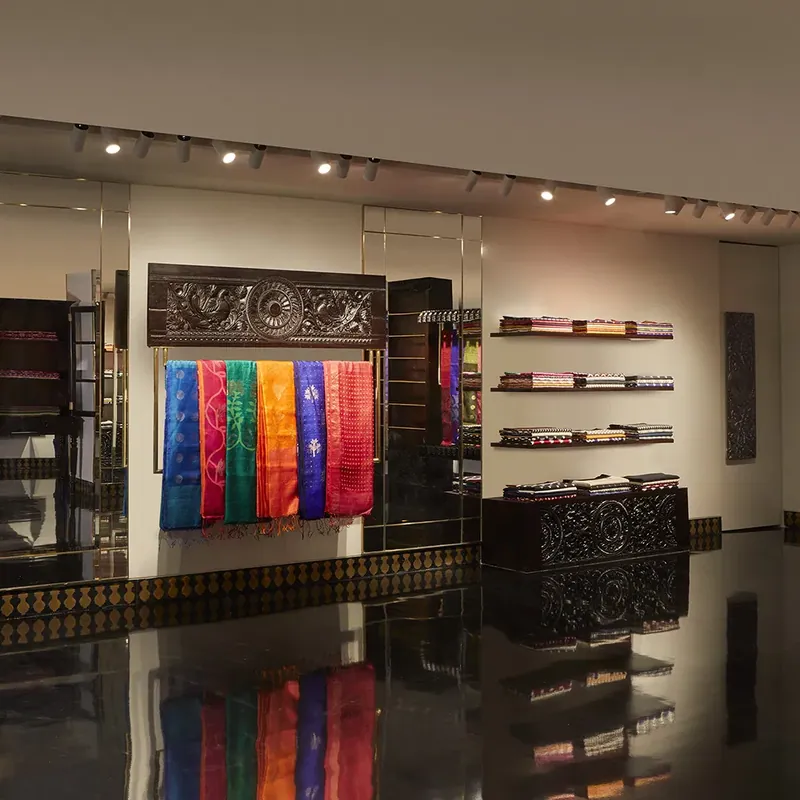
Karnataka is a land where tradition, creativity, and craftsmanship come together to create timeless works of art. Across the state, skilled artisans continue to preserve centuries-old techniques that have been passed down through generations. Every handcrafted object tells a story of dedication, patience, and cultural heritage. Unlike factory-made products, handmade creations carry the unique touch of the artisan, making each piece distinct and valuable. For travellers, Karnataka offers more than just scenic landscapes and historical monuments. It presents an opportunity to take home a piece of its rich cultural legacy. From intricately woven sarees and embroidered textiles to beautifully carved woodcraft and metalware, the state’s handicrafts reflect the diversity and creativity of its people. Karnataka is also home to one of the highest numbers of Geographical Indication (GI) tagged handicrafts in India, highlighting the global recognition of its traditional arts.
The Timeless Art of Terracotta Pottery

Among Karnataka’s oldest and most enduring crafts is terracotta pottery. This ancient art form has been practiced for centuries and continues to thrive in many parts of the state. Artisans transform simple clay into beautiful and functional objects using techniques refined over generations. Today, terracotta pottery extends far beyond traditional earthen pots. Craftsmen create decorative vases, coffee mugs, wall panels, sculptures, animal figurines, and mythological idols. Each piece showcases the artisan’s creativity and understanding of form and texture. The earthy beauty of terracotta makes it a popular choice among collectors and home décor enthusiasts.
Vibrant Banjara Handicrafts
The colourful handicrafts of the Banjara community represent one of Karnataka’s most vibrant folk traditions. The Banjaras, a semi-nomadic tribe spread across districts such as Ballari, Vijayapura, Raichur, Kalaburagi, and Belagavi, are renowned for their intricate embroidery and patchwork creations. Banjara women skillfully transform layers of fabric into stunning quilts and garments decorated with geometric patterns. Mirrors, beads, shells, silver ornaments, brass pieces, and even recycled materials are incorporated into the designs. The result is a striking blend of color, texture, and cultural symbolism. Each piece reflects the community’s rich artistic heritage and their ability to create beauty from everyday materials.
Ilkal Sarees: Woven Traditions of North Karnataka
The famous Ilkal Saree originates from the town of Ilkal in Bagalkot district and holds a prestigious GI tag. These sarees are celebrated for their distinctive weaving technique that combines cotton and silk in a unique manner.
The body of the saree is typically woven in cotton, while the borders and pallu are crafted from silk and joined through a special looping process. This unusual construction creates a characteristic appearance that sets Ilkal sarees apart from other Indian textiles. Known for their durability, elegance, and vibrant colors, these sarees have gained admirers across India and beyond. They remain a symbol of Karnataka’s rich weaving traditions.
Kinhal Wood Carving: A Legacy of the Vijayanagara Empire


The town of Kinhal in Koppal district is famous for a remarkable tradition of lacquered woodcraft known as Kinhal art. This craft flourished under the patronage of the Vijayanagara kings and continues to be practiced by skilled artisans called Chitragars. Using carved wooden components joined with a paste made from tamarind seeds and pebbles, artisans create intricate figurines and idols. Decorative elements such as jewelry and ornaments are sculpted using a mixture of powdered stone and natural gum. Bright colors and detailed patterns characterize Kinhal creations, making them instantly recognizable. The famous Kinhal toys have also received GI recognition, preserving their cultural significance.
The Exquisite Beauty of Sandalwood Carving
Few handicrafts are as closely associated with Karnataka as sandalwood carving. With a history spanning over a thousand years, this art form represents the pinnacle of fine craftsmanship. Artisans, particularly from the Gudigar communities of Shivamogga, Uttara Kannada, and Mysuru, carve delicate patterns into fragrant sandalwood. Their creations include figurines, jewelry boxes, caskets, furniture, decorative panels, and religious artifacts. The natural fragrance of sandalwood combined with intricate craftsmanship makes these pieces highly prized by collectors around the world. Sandalwood carving continues to embody Karnataka’s artistic excellence and cultural refinement.
Channapatna Toys: Karnataka’s Colorful Wooden Heritage

Located about 60 kilometers from Bengaluru, the town of Channapatna is affectionately known as Gombegala Ooru, or the Town of Toys. This globally recognized craft has earned a GI tag and remains one of Karnataka’s most celebrated handicraft traditions. Thousands of artisans produce colorful wooden toys, puzzles, jewelry, coasters, and decorative items every day. Traditionally crafted from ivory wood and coated with natural lacquer, these products are colored using vegetable dyes derived from turmeric, indigo, kumkum, and other natural ingredients. The toys are lightweight, durable, and safe for children due to the use of non-toxic colors. Channapatna’s craftsmanship gained national recognition when it featured prominently in Karnataka’s Republic Day tableau.
Navalgund Dhurries: Weaving Stories into Floor Art
The town of Navalgund in Dharwad district is famous for its distinctive handwoven dhurries, locally known as jamkhanas. This craft traces its roots to the 16th century and has been preserved largely by women from the Muslim Sheikh community. Made from twisted cotton yarn, these floor coverings feature bold geometric designs and vivid colors such as red, yellow, blue, and green. Peacocks, which are strongly associated with the region, often appear as recurring motifs. Traditionally used during weddings, religious ceremonies, and festive gatherings, Navalgund dhurries combine functionality with artistic beauty. Their cultural significance has earned them a prestigious GI tag.
Traditionally crafted from ivory wood and coated with natural lacquer, these products are colored using vegetable dyes derived from turmeric, indigo, kumkum, and other natural ingredients.
Kasuti Embroidery: The Art of Needle and Thread
Kasuti embroidery is one of Karnataka’s finest textile traditions and is particularly associated with the Dharwad region. This intricate form of embroidery is distinguished by its precision and geometric elegance. Artisans use four primary stitch techniques to create elaborate patterns inspired by temple architecture, chariots, flowers, animals, and traditional rituals. Every motif carries symbolic meaning and reflects the cultural life of Karnataka. Kasuti embroidery requires exceptional skill, patience, and attention to detail, making it one of the most respected forms of Indian needlework. Its GI recognition has further strengthened efforts to preserve this remarkable art form.
Gokak Toys: Simple Forms, Enduring Charm
The town of Gokak is known for its colorful wooden toys depicting fruits, vegetables, animals, and birds. This craft is believed to be over two centuries old and continues to provide livelihoods for local artisans. Craftsmen use soft varieties of wood that are easy to shape and paint. The toys are admired for their bright colors, playful designs, and educational value. Although simple in appearance, they reflect a rich tradition of craftsmanship and creativity that has been preserved through generations.
Rosewood Carving: The Royal Craft of Mysuru
Mysuru has long been renowned for its sophisticated rosewood carving tradition. Supported by the patronage of the Mysore Maharajas, this craft developed into one of Karnataka’s most distinguished art forms. Rosewood, known for its strength and durability, serves as the ideal medium for intricate carving and inlay work. Skilled artisans create furniture, cabinets, decorative panels, and architectural elements featuring detailed floral and geometric patterns. The rich texture and natural beauty of rosewood add elegance to every creation, making these works highly sought after.
Bidriware: The Black Metal Art of Bidar

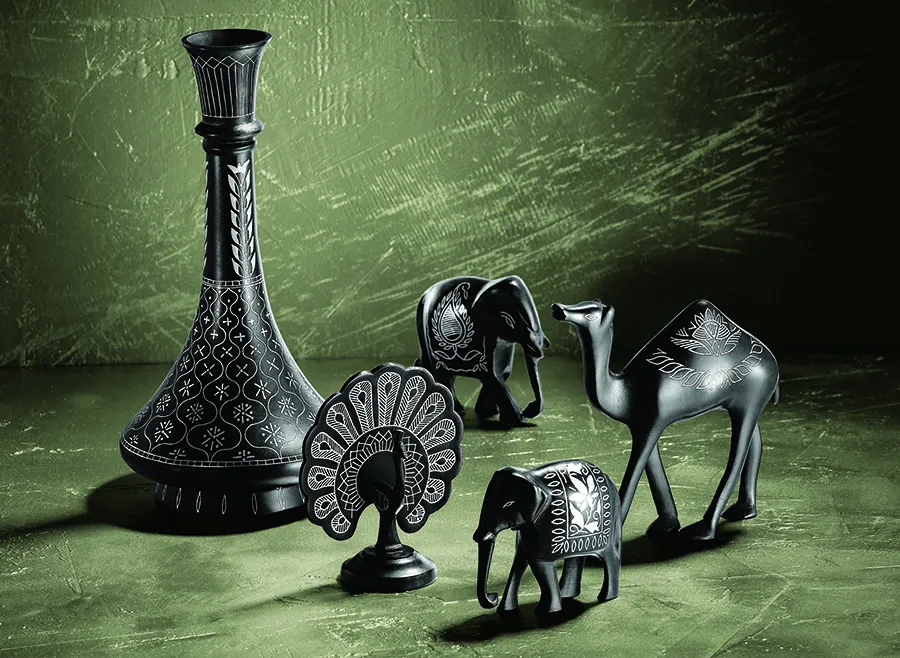
Originating in Bidar during the 14th century under the Bahmani Sultanate, Bidriware is one of Karnataka’s most unique handicrafts. This sophisticated metalworking tradition combines artistry with technical precision. Craftsmen create objects using an alloy of zinc, copper, tin, and lead, which is then inlaid with fine silver designs. Through a specialized oxidation process, the metal develops its characteristic black surface, creating a striking contrast with the silver inlay. Bidriware products include vases, bowls, jewelry, pen holders, hookahs, and decorative plates. The craft’s elegance and complexity have earned it international recognition and a GI tag.
Karnataka’s Renowned Silk and Metal Crafts
Karnataka is synonymous with silk production, particularly in Mysuru, often called the Silk City of India. The state contributes significantly to India’s mulberry silk production, and its silk sarees are celebrated for their luxurious texture, vibrant colors, and intricate zari work. Metalware also forms an important part of Karnataka’s artistic heritage. Regions such as Udupi, Karkala, Mangaluru, and Nagamangala have long traditions of creating ritual objects, household utensils, bronze sculptures, and Jain icons. These crafts continue to blend artistic beauty with practical utility.
Chittara: Sacred Art on Village Walls
Among Karnataka’s lesser-known treasures is Chittara, a traditional painting style practiced by the Deewaru community, primarily in Shivamogga and Uttara Kannada districts. Historically, women painted intricate designs on mud walls to mark festivals, rituals, and special occasions. Using natural materials such as rice paste, charcoal, and plant-based pigments, artists create geometric patterns that symbolize prosperity, fertility, and harmony. Despite being considered a dying art form, Chittara remains a powerful expression of indigenous creativity and cultural identity.
Preserving Karnataka’s Living Heritage


Karnataka’s handicrafts represent far more than decorative objects. They embody centuries of knowledge, cultural memory, and artistic excellence. Every handcrafted toy, saree, carving, embroidery, or metal artifact carries within it the story of the artisan and the community that nurtured the craft.
As modern consumers increasingly seek authenticity and sustainability, Karnataka’s handicrafts offer a meaningful connection to tradition. Supporting these crafts not only preserves valuable cultural heritage but also sustains thousands of artisans whose skills continue to enrich the state’s identity. For visitors, taking home a handcrafted treasure from Karnataka is not merely purchasing a souvenir—it is carrying home a piece of the state’s living legacy.