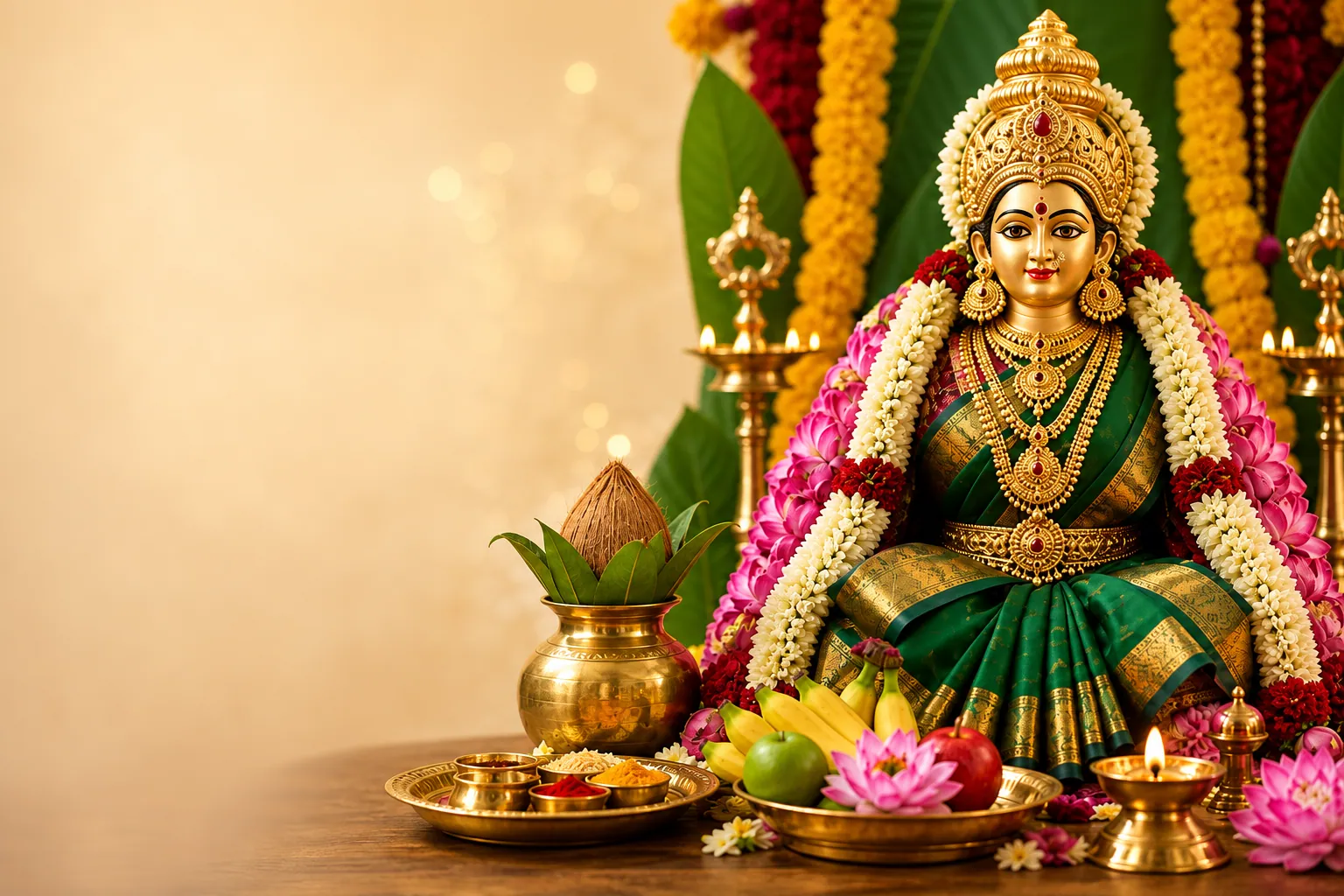
Vara Mahalakshmi Vrata is one of Karnataka’s most cherished spiritual observances, celebrated with great devotion by married women seeking the blessings of Goddess Lakshmi for prosperity, good health, family harmony, and overall well-being. The festival holds special significance across southern Karnataka and is also widely observed in Tamil Nadu, Andhra Pradesh, and Telangana, with each region adding its own cultural touch to the rituals while preserving the essence of the sacred tradition. In 2026, Vara Mahalakshmi Vrata will be observed on Friday, following the Hindu lunar calendar during the auspicious month of Shravana. The festival is dedicated to the worship of Ashta Lakshmi, the eight divine manifestations of Goddess Lakshmi, symbolising wealth, courage, wisdom, fertility, success, abundance, victory, and prosperity.
Sacred Rituals that Welcome Prosperity
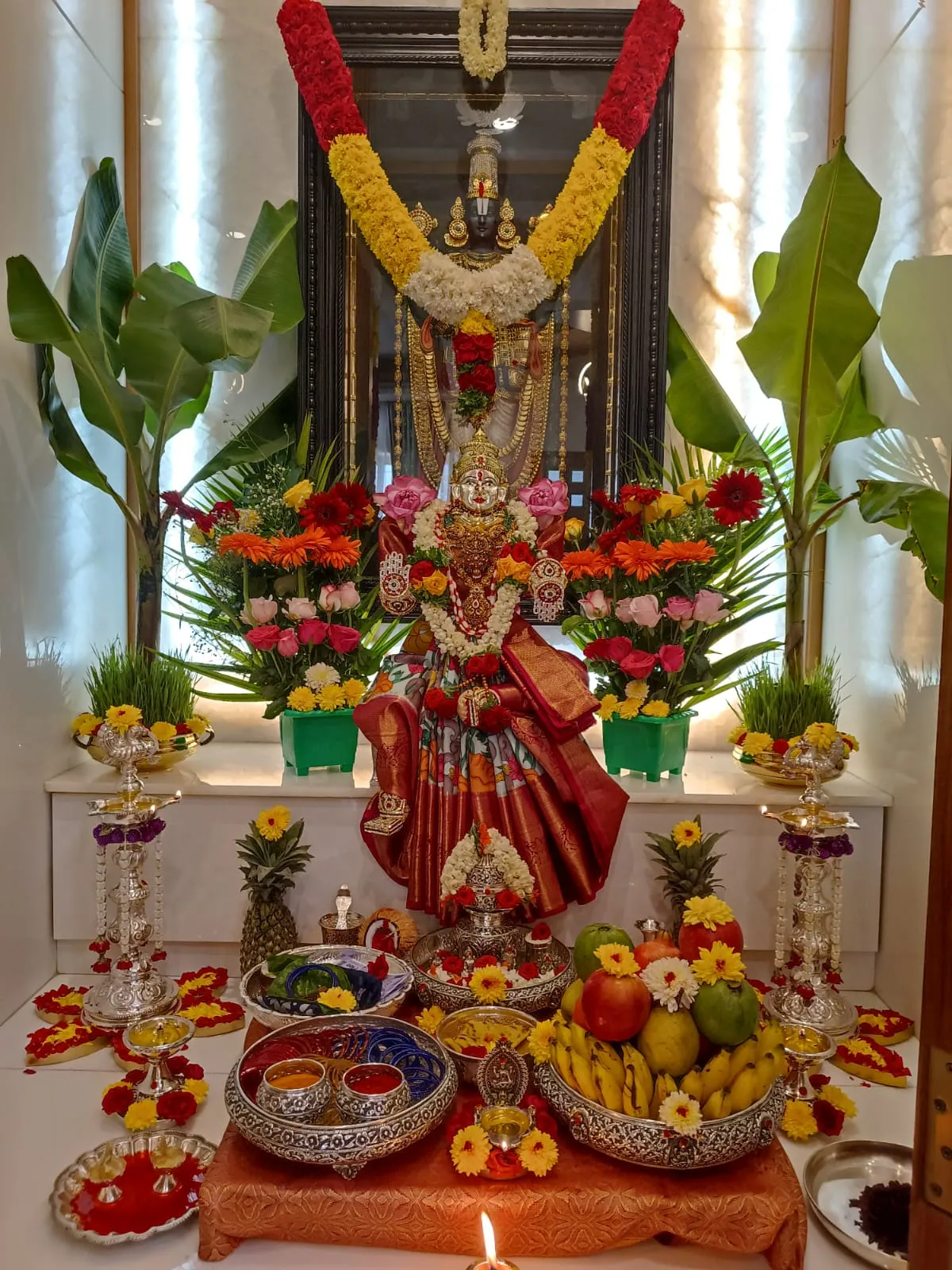
Preparations begin well before the day of the vratam. Homes are thoroughly cleaned and beautifully decorated with colourful rangoli (kolam), fresh flowers, mango leaves, and banana stems to create an auspicious atmosphere. The centrepiece of the worship is the Kalasham, a sacred pot filled with rice or water, topped with mango leaves and a coconut coated with turmeric. The Kalash is adorned with silk cloth, jewellery, flowers, and the symbolic face of Goddess Lakshmi, representing her divine presence within the household. Women observe a fast, wear traditional attire, and perform elaborate pujas with turmeric, kumkum, sandalwood, lamps, and sacred offerings. Hymns, bhajans, and Lakshmi stotras are recited as families gather to seek blessings for happiness and prosperity.
Community, Devotion & Cultural Heritage
Beyond individual worship, Vara Mahalakshmi Vrata strengthens community bonds. Women visit one another’s homes, exchange turmeric, kumkum, flowers, bangles, and small gifts, symbolising goodwill and shared blessings. Temples dedicated to Goddess Lakshmi witness special rituals, devotional singing, and large gatherings of devotees throughout the day. Traditional prasadam includes sweets such as payasa, obbattu (holige), laddus, and savoury preparations made from rice, lentils, and flattened rice (avalakki), reflecting Karnataka’s rich culinary heritage.
Celebrating Divine Abundance


Vara Mahalakshmi Vrata is traditionally observed on a Friday during the bright fortnight of the Shravana month, considered especially auspicious for invoking the blessings of Goddess Lakshmi. The festival beautifully combines spirituality, family values, artistic traditions, and community participation, making it one of South India’s most significant celebrations dedicated to the Divine Mother.
Pooja Essentials
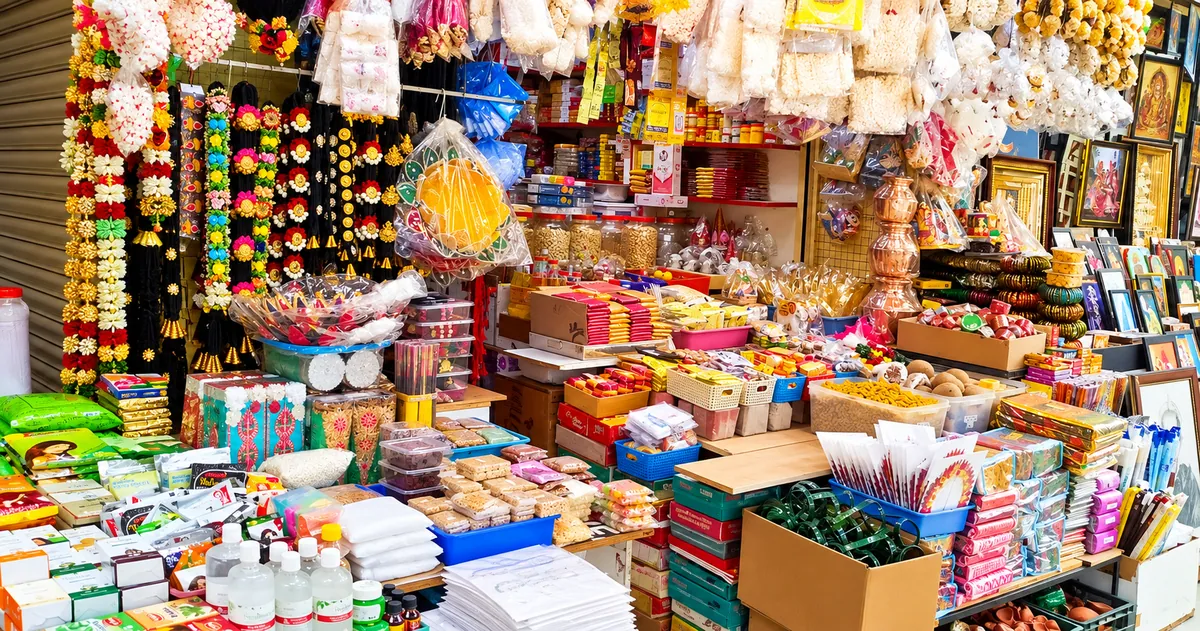
What to Buy
Begin with the central elements of the altar: a kalasha or kalash, a Lakshmi face or idol, a fresh saree or blouse piece, jewellery, flowers, turmeric and kumkum. Traditional preparations can also include coconuts, mango leaves, betel leaves and nuts, fruits, rice, lamps, cotton wicks, camphor, incense, sandalwood paste and items for naivedyam and thamboolam. A useful tip is to select the Lakshmi face before buying or finalising the kalash. This makes it easier to judge proportions and ensures that the face, crown and jewellery fit the completed arrangement comfortably. Gold or silver Lakshmi coins are another meaningful addition. Traditionally placed near the Goddess or kalash, they represent prosperity and abundance and may become treasured family keepsakes passed between generations.
Where to Shop in Bengaluru
Ultimately, the beauty of Varalakshmi Vratham lies not in how elaborate the decoration is or how many dishes appear on the festive table, but in the continuity of tradition.
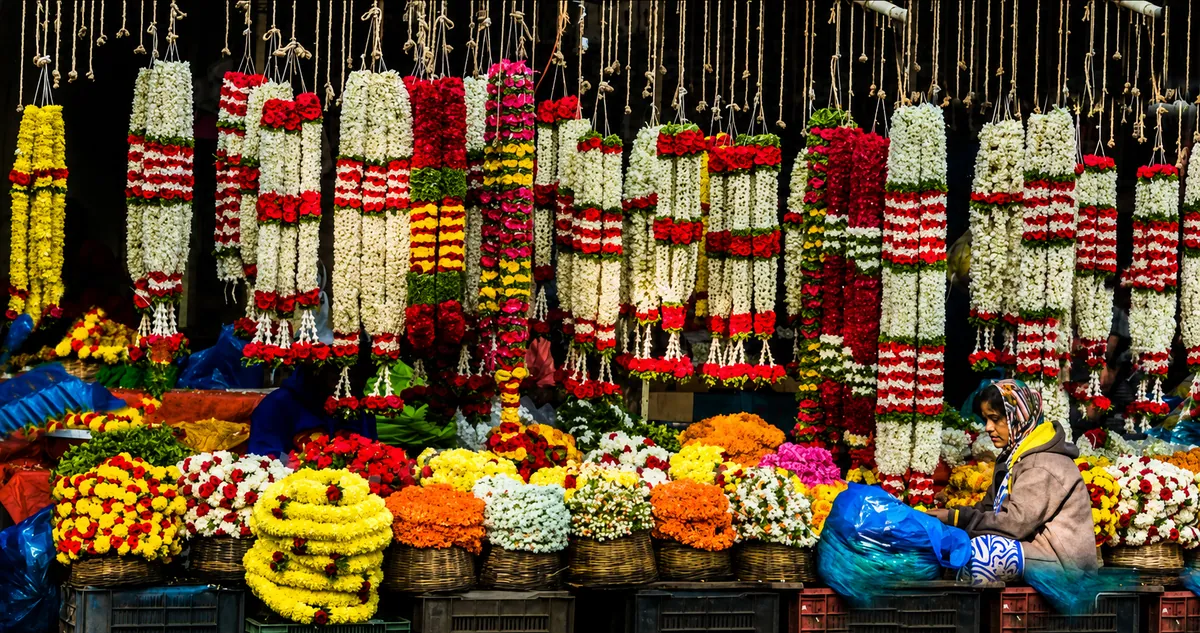
For an old-Bengaluru festival-shopping experience, Chickpet and KR Market make an excellent combination. Chickpet is especially useful for sarees, blouse materials, bangles, imitation jewellery and traditional accessories, while neighbouring KR Market is the place to head for fresh flowers, coconuts, fruits and banana leaves. Malleshwaram is a convenient alternative for families looking for traditional shopping in a neighbourhood setting. Around Malleshwaram Market, shoppers can look for flowers, lamps, kalashas, Lakshmi faces, turmeric, kumkum and pooja vessels. Gandhi Bazaar and Basavanagudi remain favourites for flowers and thamboolam shopping. Betel leaves, betel nuts, coconuts, bananas, fruits, turmeric and kumkum can all be picked up here, making the area especially useful for last-minute fresh purchases. For those who prefer a more organised retail-shopping experience, Jayanagar 4th Block and the surrounding streets offer sarees, jewellery, blouse accessories and pooja supplies in one neighbourhood. Rajajinagar, meanwhile, is a practical choice for shoppers in West Bengaluru. Plan fresh-flower shopping as close to the festival as possible. If you require flowers in large quantities, KR Market is particularly useful; for smaller household quantities, Malleshwaram and Gandhi Bazaar are easier alternatives.
Dressing Goddess Varalakshmi
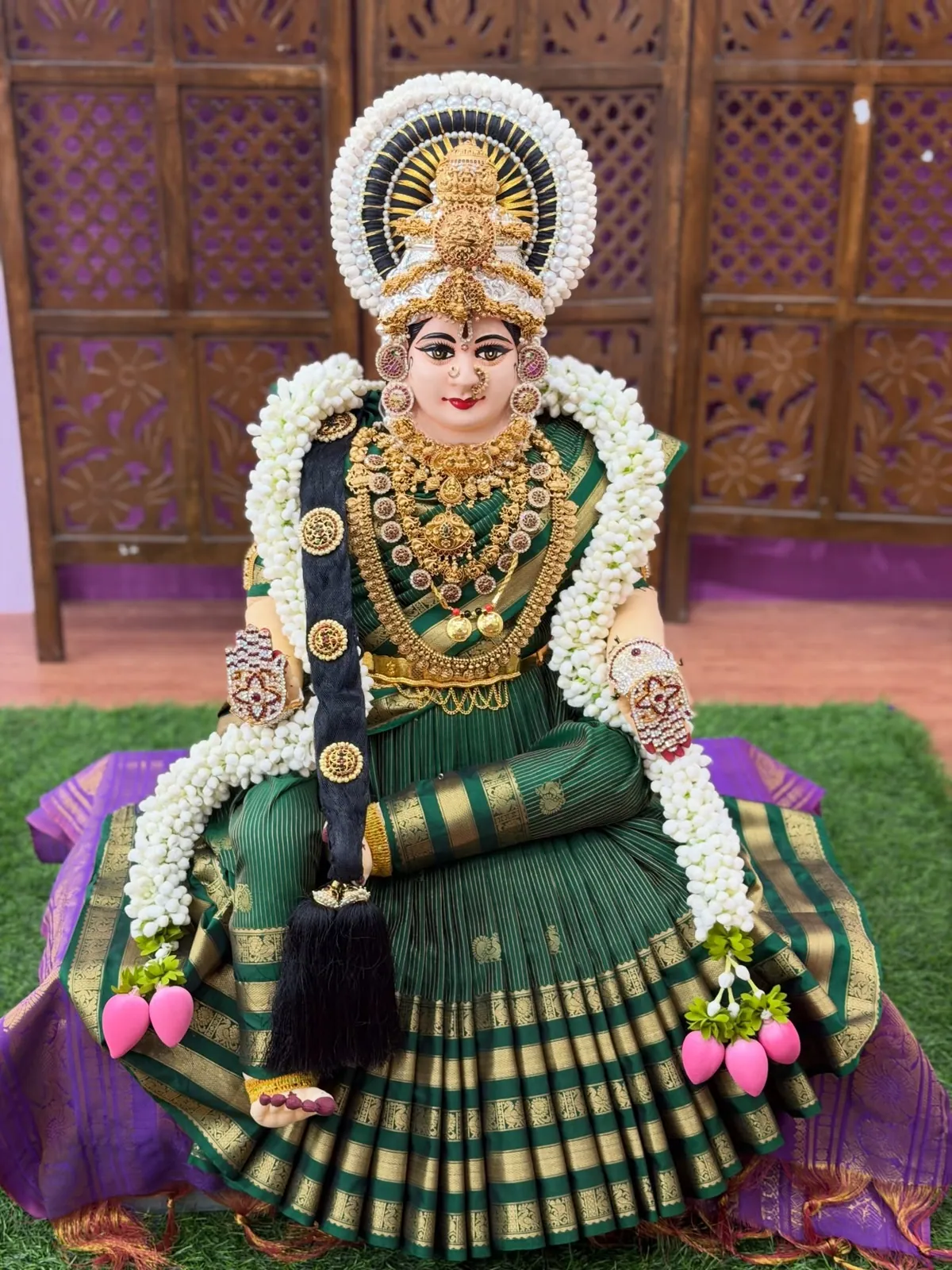
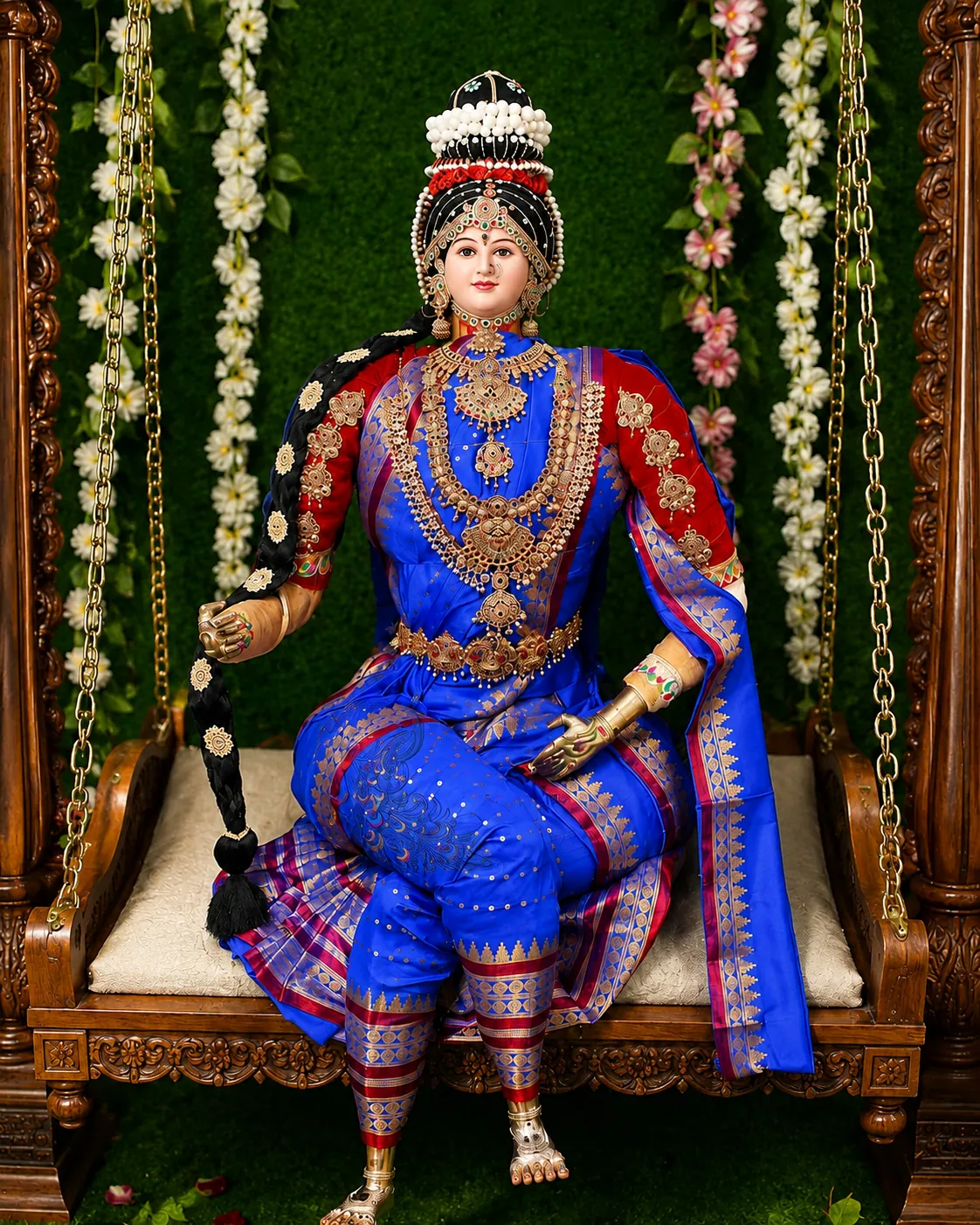
The alankaram is often the visual heart of the celebration. Begin by draping the saree or blouse material before selecting the final jewellery arrangement. This helps determine whether a short necklace, longer haram or layered jewellery will best suit the proportions of the Goddess. The face should always remain the focal point. A large crown, oversized bindi, heavy earrings and multiple flower garlands may each look beautiful individually, but together they can overwhelm a smaller Lakshmi face. Choose the crown according to the width of the face and the height available above it. Earrings should have sufficient space between the flowers and saree folds, while the necklace should sit clearly over the drape rather than disappearing into it. A simple rule works particularly well: decorate to frame the Goddess, not to cover her.
Creating an Elegant Pooja Backdrop

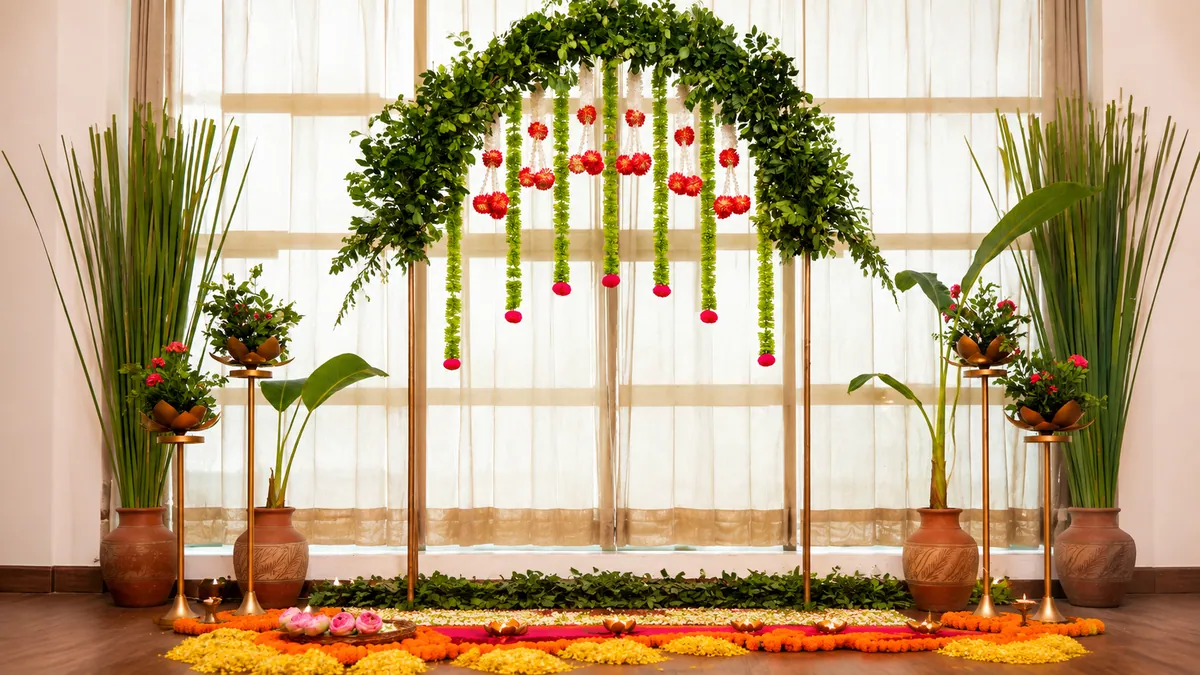
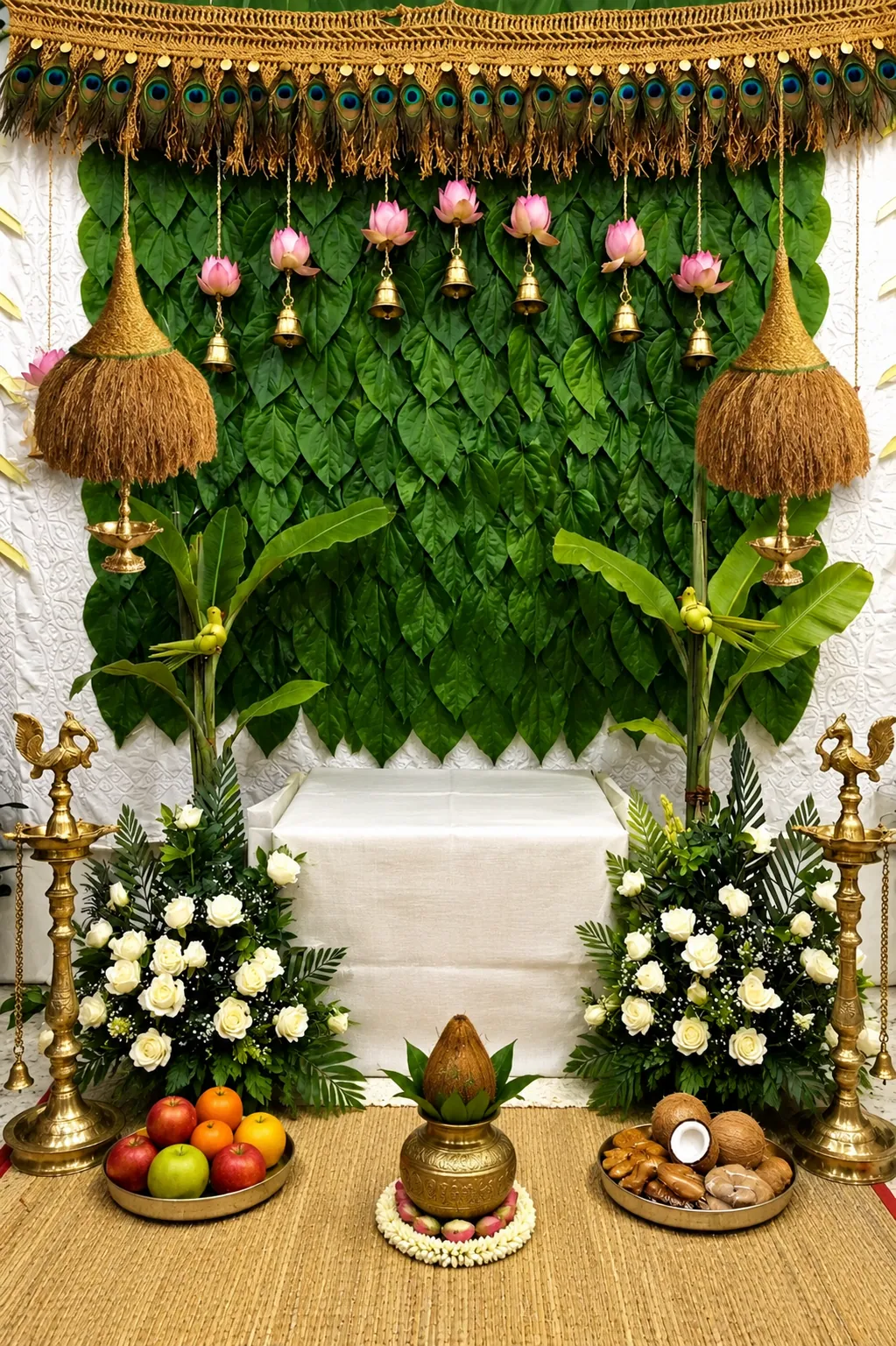
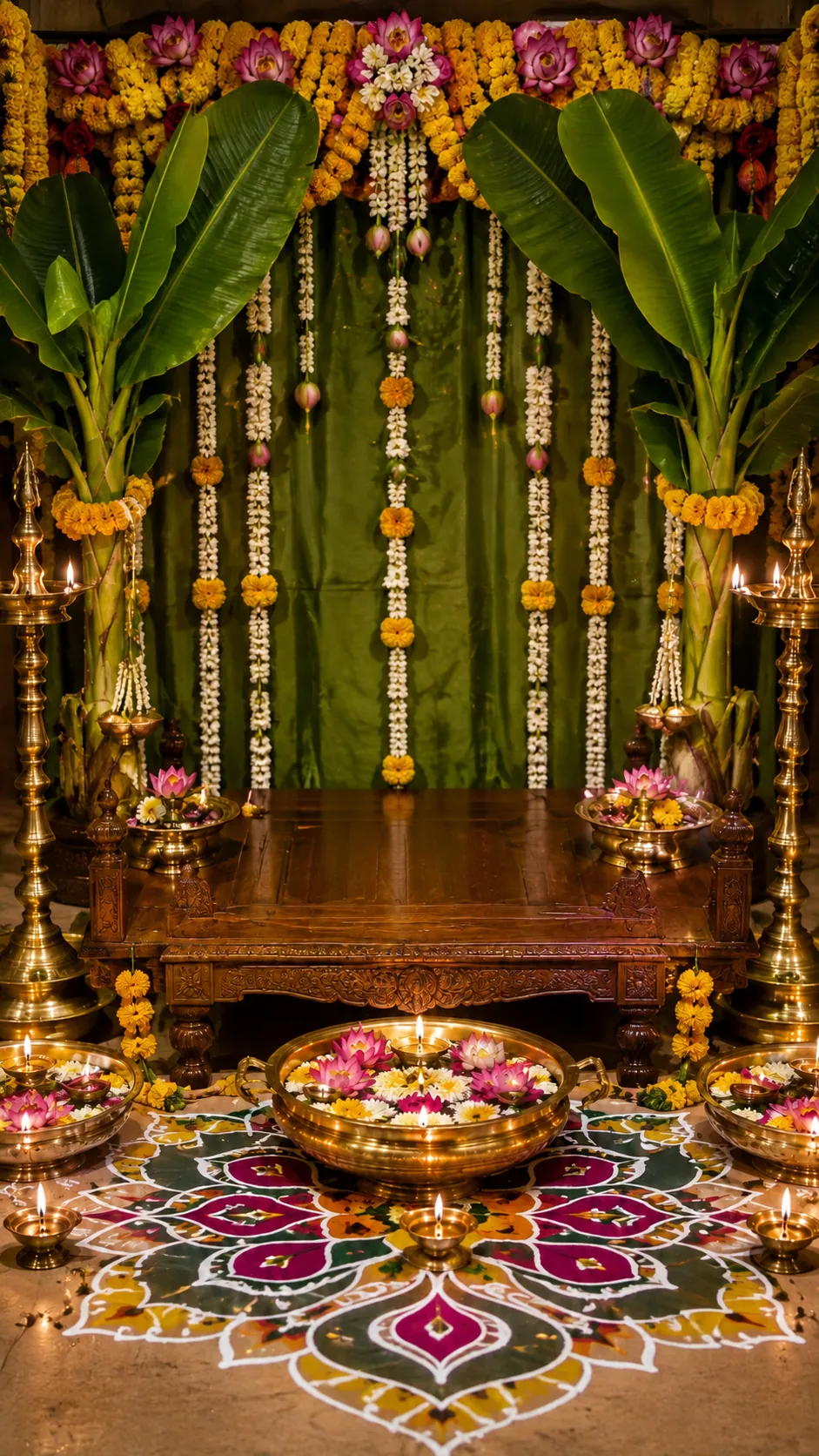
A beautiful Varalakshmi setup does not require an overloaded backdrop. Start with a clean wooden peeta or raised platform. Add a traditional rangoli at the entrance or around the altar, followed by mango-leaf torans and carefully positioned flowers. Jasmine, roses, chrysanthemums, marigolds and lotus flowers can bring both fragrance and colour to the setting. Banana plants or decorative banana-tree elements can frame a larger altar, while brass lamps placed symmetrically on either side introduce warmth. Lotus-shaped peetas, brass urulis, flower garlands and small diyas can provide additional layers. For compact apartments, keep the arrangement vertical and uncluttered: a fabric backdrop, one strong floral frame, two lamps and a neatly decorated kalash can have greater visual impact than numerous small accessories. The source material similarly recommends keeping shallow altars simple and reserving additional layers such as banana-tree decor and thomala for deeper setups.
The Festive Table
Karnataka Flavours for Varalakshmi
Once the pooja is complete, attention naturally moves to naivedyam and the festive meal. A Karnataka-style Varalakshmi spread may feature bele holige or obbattu, kosambari, chitranna, vada and payasa, alongside rice and other traditional accompaniments. Festival-recipe references also include dishes such as kesari bath, shavige payasa, mosaranna and kodubale among Karnataka preparations. Holige, filled with cooked dal, jaggery and cardamom, brings the essential festive sweetness. Kosambari, made with soaked moong dal, cucumber, coconut, coriander and lemon, provides a fresh contrast to richer dishes. For dessert, hesaru bele payasa combines moong dal and jaggery with cardamom, coconut milk or milk, cashews and raisins. Chitranna, or lemon rice, adds brightness to the banana-leaf meal with mustard, curry leaves, turmeric, peanuts and fresh lemon.
Thamboolam and the Joy of Sharing
Varalakshmi Vratham is also about extending the celebration beyond the altar. After the pooja, women traditionally exchange thamboolam or vayana, turning hospitality and giving into an important part of the occasion. Along with betel leaves, betel nuts, turmeric, kumkum, fruits and flowers, hosts can add thoughtful return gifts such as kumkum boxes, diya holders, Lakshmi portraits, small pooja accessories or traditional decorative pieces. Ultimately, the beauty of Varalakshmi Vratham lies not in how elaborate the decoration is or how many dishes appear on the festive table, but in the continuity of tradition. From an early-morning flower run in Bengaluru’s markets to dressing the Goddess in silk, lighting the first lamp and sharing prasadam with family and friends, every detail becomes part of a celebration centred on gratitude, abundance and auspicious beginnings.