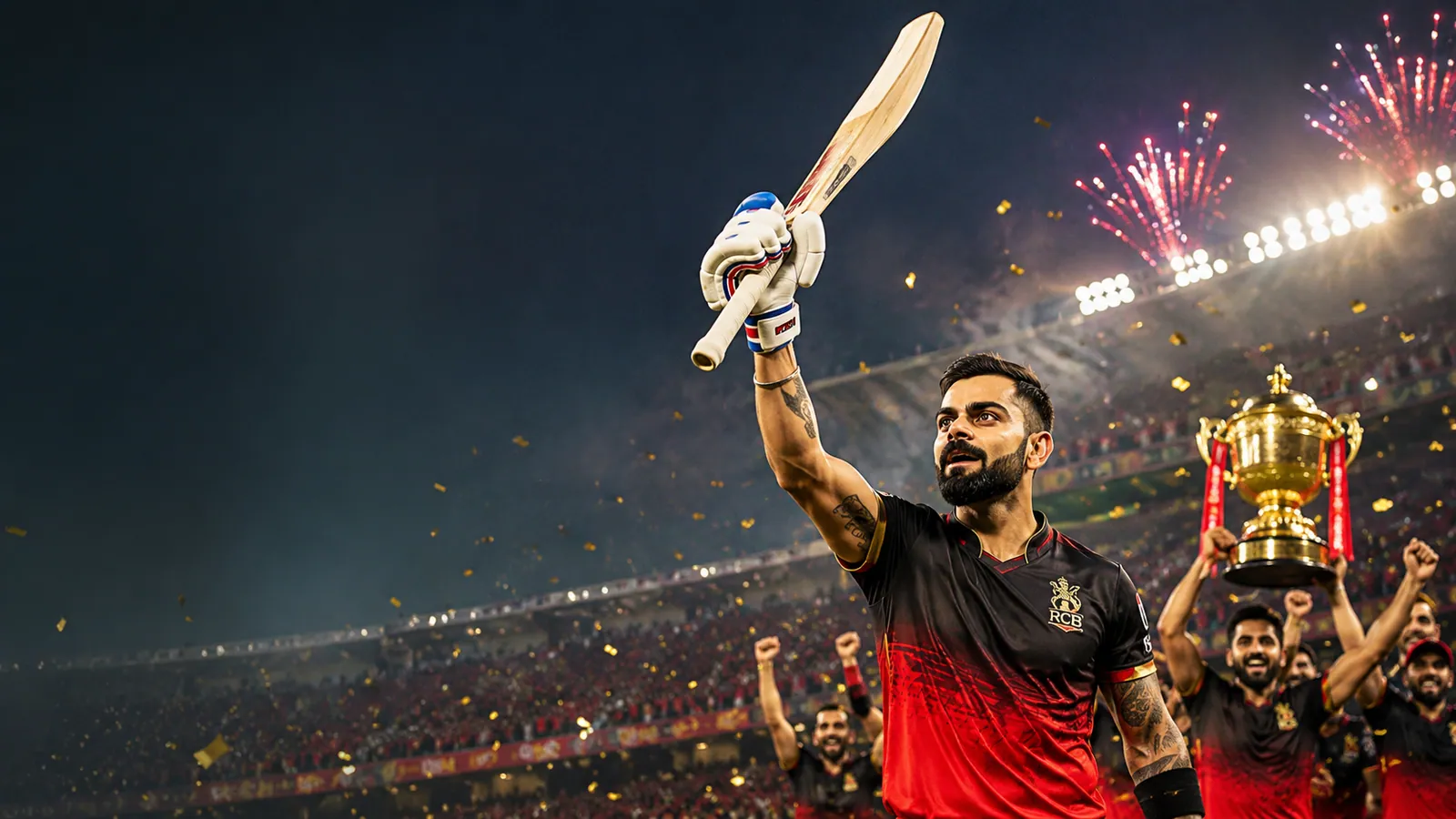
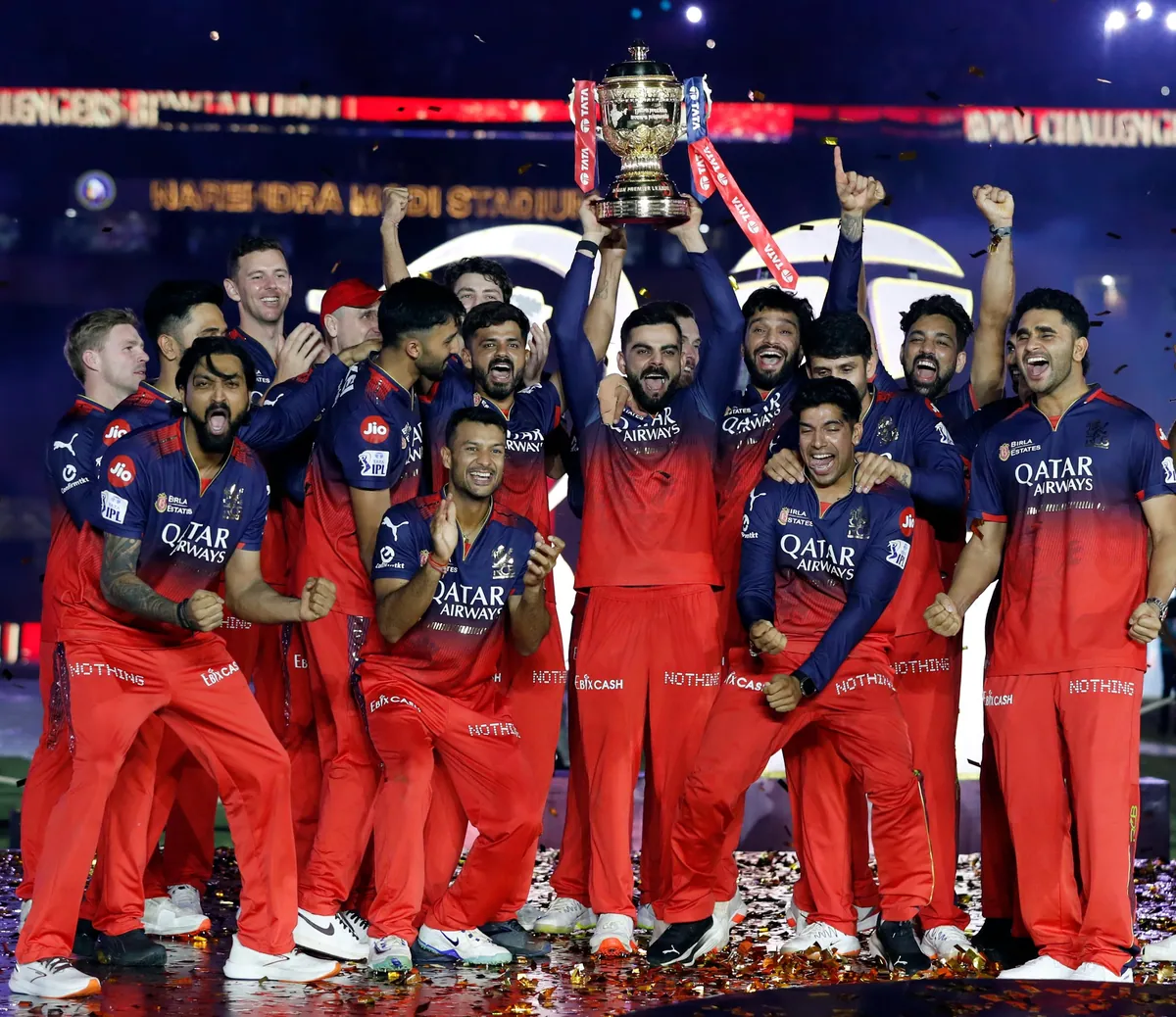
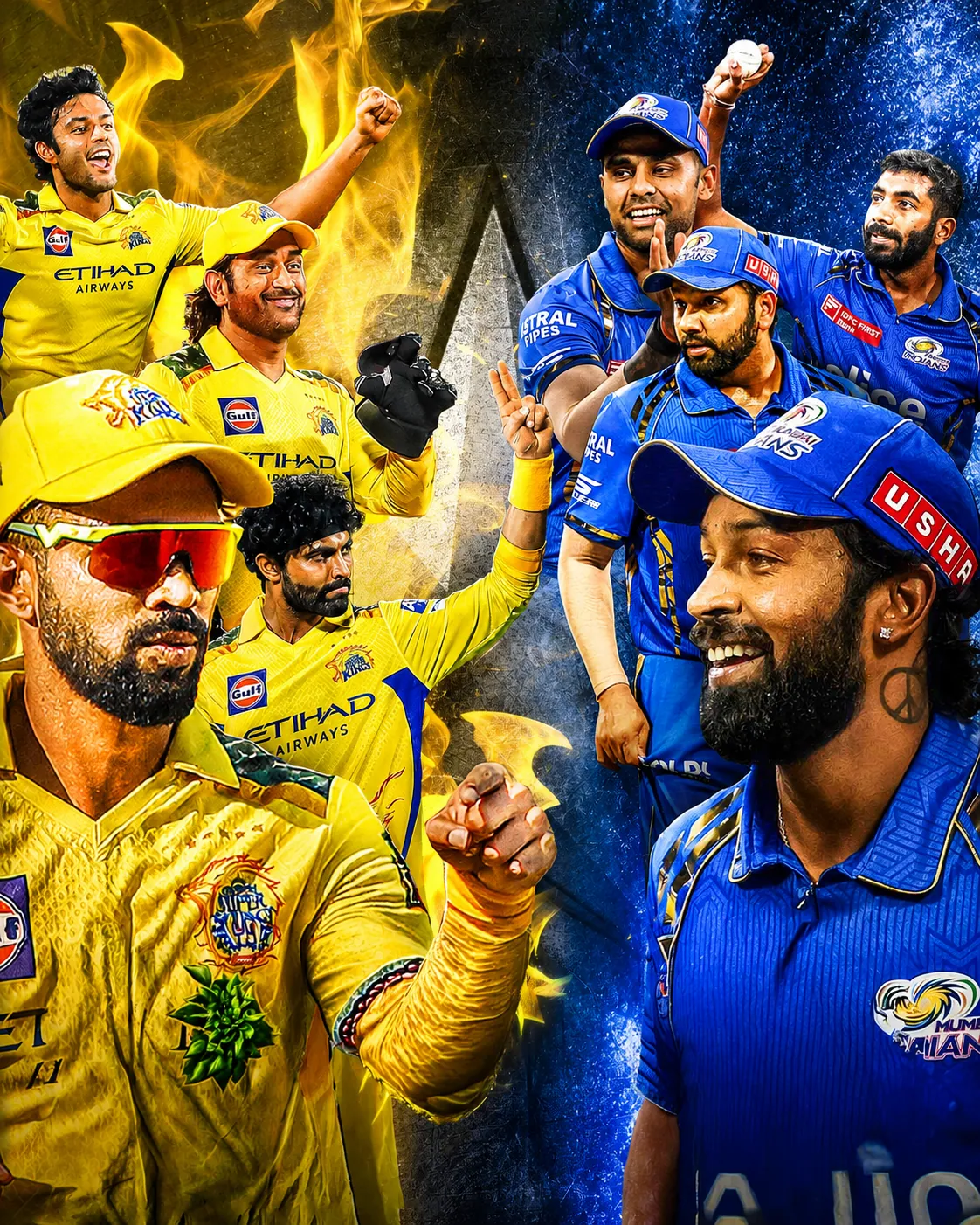
For nearly two decades, Royal Challengers Bengaluru (RCB) carried the weight of unfulfilled expectations. The franchise, despite boasting some of cricket’s biggest stars over the years, had often fallen agonisingly short of lifting the coveted Indian Premier League (IPL) trophy. That narrative changed dramatically in 2025 when RCB finally ended their title drought. Just one year later, they achieved something even more remarkable. On May 31, 2026, Royal Challengers Bengaluru successfully defended their IPL championship, defeating Gujarat Titans by five wickets in a commanding performance at the Narendra Modi Stadium in Ahmedabad. With this triumph, RCB joined an elite club, becoming only the third franchise in IPL history after Chennai Super Kings and Mumbai Indians to win consecutive IPL titles. The victory was much more than another championship. It represented the culmination of years of planning, exceptional leadership, disciplined team management, and the unwavering belief that had become synonymous with the franchise. At the heart of this memorable evening stood Virat Kohli, whose unbeaten masterclass once again proved why he remains one of the greatest players the IPL has ever witnessed.
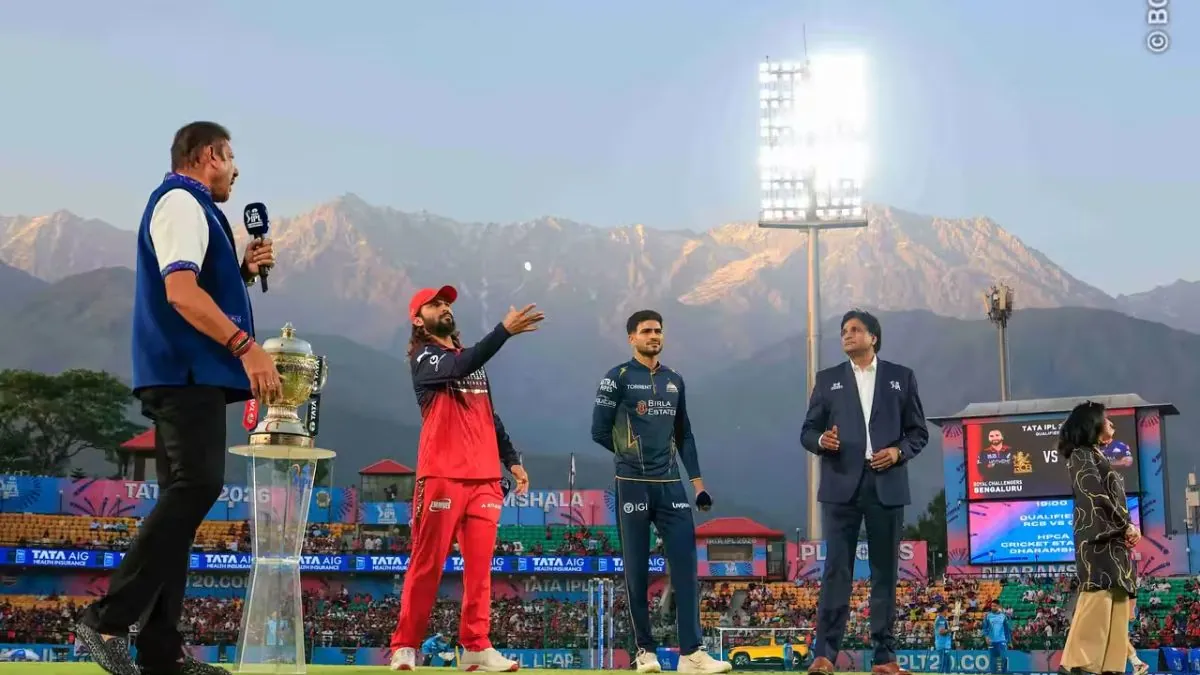
The atmosphere in Ahmedabad was electric as two of the tournament’s strongest teams squared off in front of a packed stadium. Gujarat Titans, captained by Shubman Gill, entered the final after an impressive campaign built around consistent batting and a world-class bowling attack led by Kagiso Rabada and Rashid Khan. RCB, meanwhile, had displayed remarkable consistency throughout the season, relying on a balanced combination of experienced internationals and fearless young Indian talent. Winning the toss proved to be an important moment for RCB captain Rajat Patidar, who chose to bowl first on a surface expected to assist both seamers and batters under lights. His decision was quickly justified as RCB’s bowlers executed their plans with exceptional precision.

Josh Hazlewood struck the first significant blow by dismissing Gujarat skipper Shubman Gill inside the powerplay. Gill, who had enjoyed an outstanding tournament, could not build on his start as Hazlewood extracted bounce and movement to force an error. Shortly afterwards, veteran pacer Bhuvneshwar Kumar removed Sai Sudharsan with a brilliantly executed delivery that continued RCB’s early dominance. Although Gujarat had lost both openers, they attempted to rebuild through Nishant Sindhu and experienced English batter Jos Buttler. The pair focused on rotating the strike while waiting for loose deliveries, but RCB’s bowling attack rarely offered any scoring opportunities. Tight field placements, disciplined lengths, and relentless pressure ensured boundaries became increasingly difficult to find. Rasikh Salam emerged as one of the stars of the evening. The young fast bowler displayed maturity beyond his years, consistently hitting the right areas while mixing his pace intelligently. His breakthrough came when Nishant Sindhu, trying to accelerate after a cautious partnership, mistimed an attacking stroke and was comfortably caught.
Soon afterwards, wicketkeeper Jitesh Sharma produced one of the defining moments of the match. Jos Buttler attempted to create room against Krunal Pandya but was beaten by flight and turn before Sharma completed a lightning-fast stumping. Gujarat suddenly found themselves under enormous pressure, with four wickets down and the scoring rate slipping dramatically.
Arshad Khan briefly attempted to counterattack, smashing a couple of powerful boundaries during his short innings. However, Josh Hazlewood quickly ended the resistance by claiming his second wicket of the evening. Every time Gujarat threatened to gain momentum, an RCB bowler stepped forward to halt their progress. Washington Sundar then produced one of the finest innings under pressure during the season. Displaying remarkable composure, he anchored the lower order with an unbeaten half-century from just 37 deliveries. His intelligent stroke play, sensible running between the wickets, and timely boundaries ensured Gujarat reached a respectable total of 155 for 8 after 20 overs. Although the score offered Gujarat something to defend, it was evident that RCB’s disciplined bowling had prevented the Titans from posting the imposing total they had hoped for. Rasikh Salam finished with outstanding figures of 3 for 27, while Bhuvneshwar Kumar and Josh Hazlewood collected two wickets each in a collective bowling performance that perfectly reflected the team’s balance throughout the tournament. Chasing 156 in a pressure-filled IPL final is never straightforward. However, RCB’s opening pair approached the target with remarkable confidence. Virat Kohli and Venkatesh Iyer immediately placed Gujarat’s bowlers under pressure by attacking from the outset. Their aggressive intent was particularly evident against Kagiso Rabada, who had been among the tournament’s leading wicket-takers. Kohli and Iyer punished anything short or overpitched, collecting boundaries with ease and racing beyond fifty within the opening four overs. The explosive partnership effectively shifted the pressure back onto Gujarat. Mohammed Siraj eventually provided the breakthrough by dismissing Venkatesh Iyer for a blistering 32 off only 16 deliveries. Kagiso Rabada then removed Devdutt Padikkal in the following over, giving Gujarat renewed hope as RCB ended the powerplay at 70 for 2.
Unlike earlier seasons that often depended heavily on individual performances, the 2026 champions succeeded because virtually every member of the squad contributed throughout the tournament.
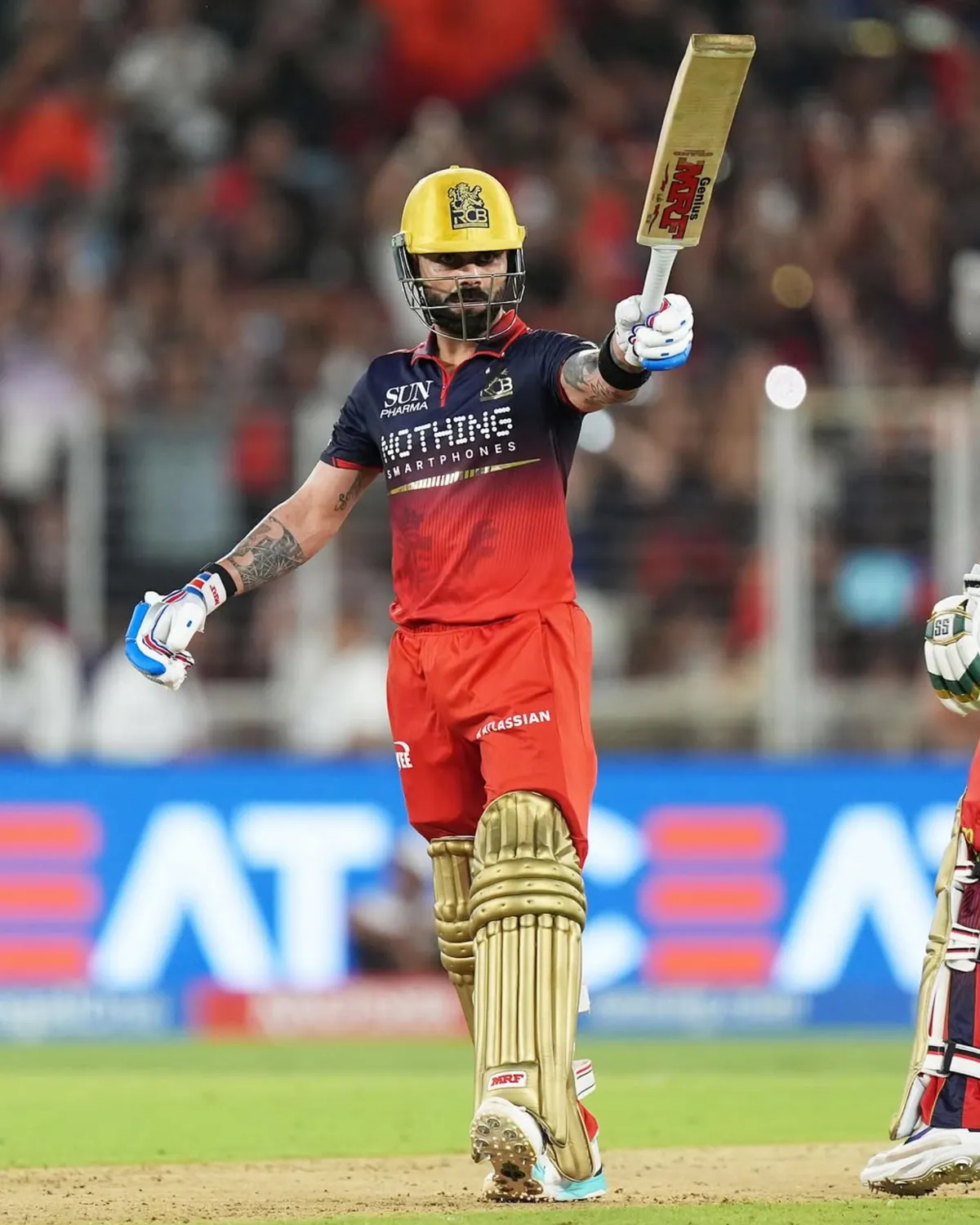
The match experienced another dramatic twist when Rashid Khan showcased his world-class leg-spin. Within a single over, he dismissed captain Rajat Patidar and Krunal Pandya, reducing RCB to 91 for 4 and briefly reviving Gujarat’s hopes of an unlikely comeback. Yet champions are often defined by their response to adversity, and no player has embodied that quality more consistently than Virat Kohli. Remaining calm amid mounting pressure, Kohli expertly balanced aggression with responsibility. He rotated the strike effortlessly, punished loose deliveries, and constantly communicated with his batting partners. His understanding of chase situations, developed over nearly two decades of international cricket, was once again on full display. Kohli reached his half-century in just 25 deliveries, marking the fastest IPL fifty of his remarkable career. Despite the milestone, he remained entirely focused on finishing the contest. Rather than chasing personal records, his priority remained guiding his team across the finish line. Tim David played the perfect supporting role, contributing a valuable 24 runs while sharing a crucial partnership that gradually took the game away from Gujarat. Their stand not only stabilised the innings but also ensured that the required run rate never became a concern.
Even after Arshad Khan dismissed David, Kohli never allowed the momentum to shift. Continuing to find boundaries with impeccable timing, he steadily guided RCB closer to victory. The defining moment finally arrived in the 18th over. With only a handful of runs required, Virat Kohli launched a magnificent six over long-on to seal the championship. The shot immediately triggered emotional celebrations among players, coaching staff, and thousands of RCB supporters who had waited years to witness sustained success. Kohli remained unbeaten on 75 from just 42 deliveries, producing an innings that perfectly encapsulated his greatness controlled aggression, impeccable technique, unmatched composure, and an unwavering commitment to the team’s success. Beyond Kohli’s brilliance, RCB’s title defence highlighted the remarkable transformation of the franchise. Unlike earlier seasons that often depended heavily on individual performances, the 2026 champions succeeded because virtually every member of the squad contributed throughout the tournament. Rajat Patidar led calmly throughout the season, while experienced campaigners such as Bhuvneshwar Kumar, Josh Hazlewood, Krunal Pandya, and Tim David provided stability during pressure situations. Youngsters including Rasikh Salam demonstrated that RCB’s investment in emerging Indian talent is beginning to produce long-term rewards.
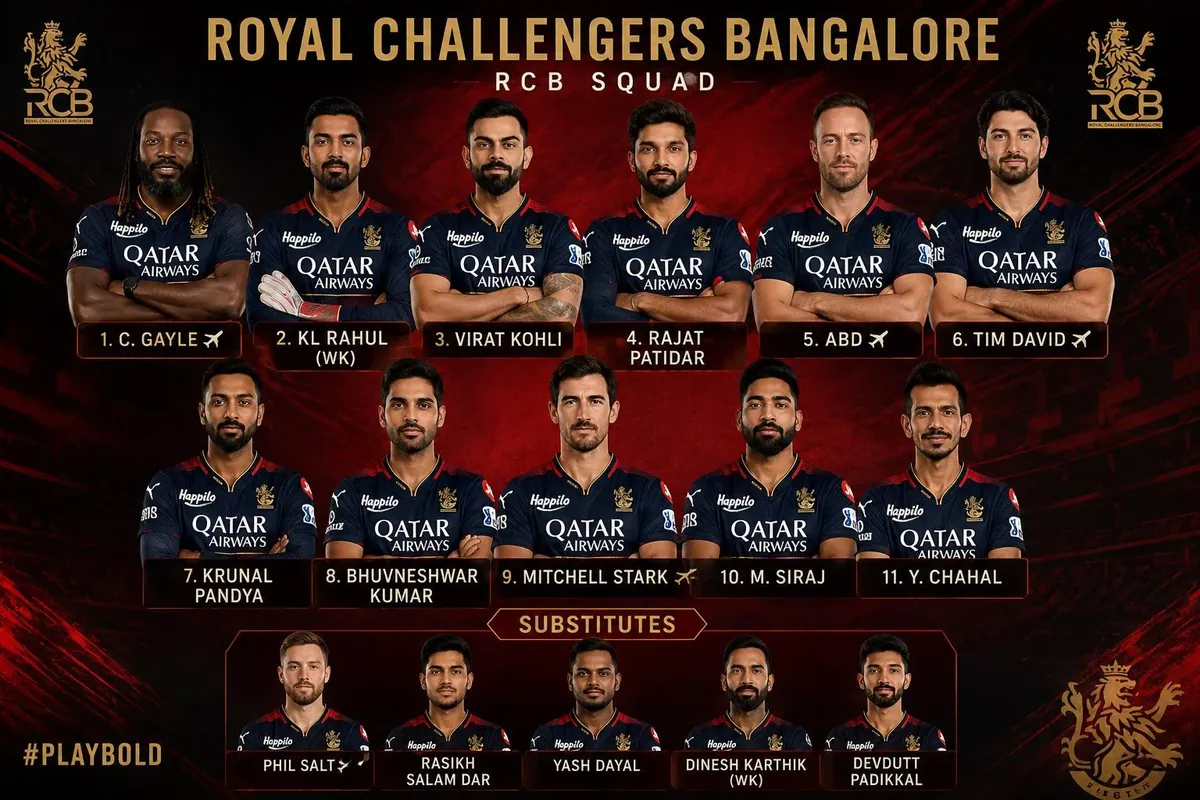
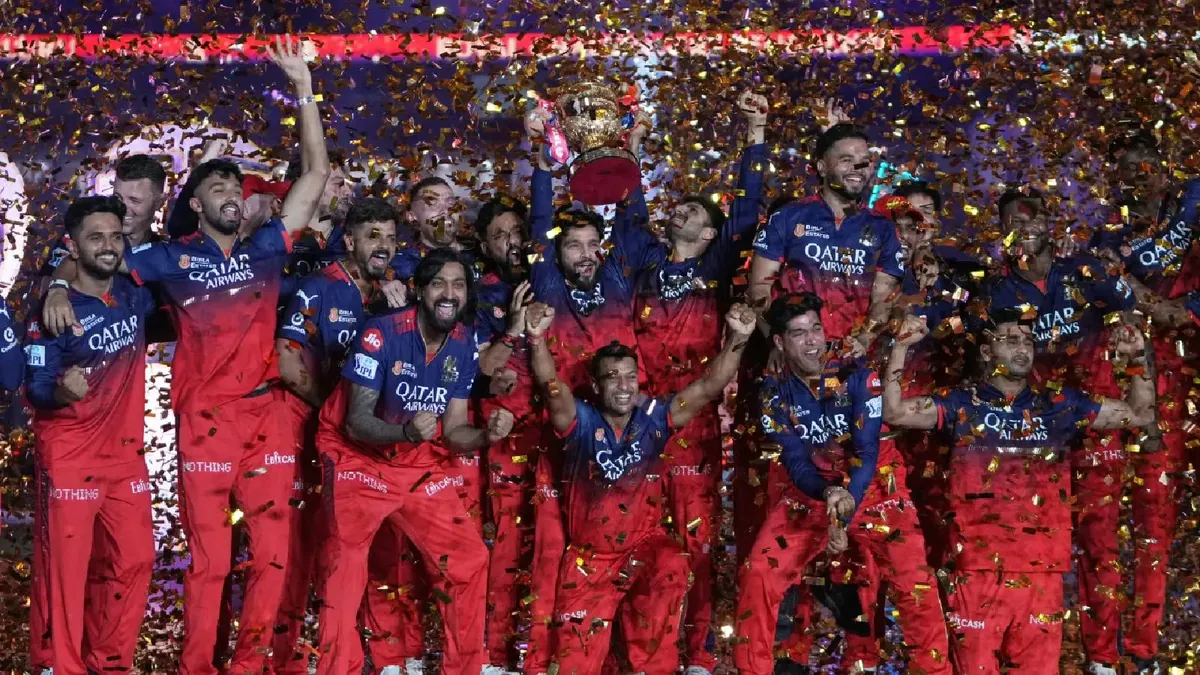
The coaching staff also deserves immense credit for building a balanced side capable of adapting to different match situations. Whether defending totals or chasing targets, RCB consistently displayed tactical awareness, discipline, and unity that separated them from the rest of the competition. The victory also reinforced Virat Kohli’s extraordinary IPL legacy. Having represented only one franchise since the league’s inception in 2008, Kohli’s loyalty to Royal Challengers Bengaluru has become one of the defining stories of the tournament. His journey from heartbreak to back-to-back championships represents one of the most inspiring narratives in franchise cricket. By successfully defending their title, Royal Challengers Bengaluru have now established themselves among the IPL’s modern dynasties. Alongside Chennai Super Kings and Mumbai Indians, RCB have demonstrated that sustained excellence requires far more than star power—it demands consistency, teamwork, intelligent leadership, and an unwavering belief in collective success. As the celebrations continued long into the Ahmedabad night, the significance of the moment became increasingly clear. What was once considered an underachieving franchise has transformed into one of the IPL’s benchmark teams. Their successful title defence in 2026 was not merely another championship; it marked the beginning of a new era for Royal Challengers Bengaluru, one built on resilience, excellence, and the relentless pursuit of greatness. With an ideal blend of experienced leaders and emerging stars, RCB now appear well positioned to remain one of the dominant forces in the Indian Premier League for years to come.