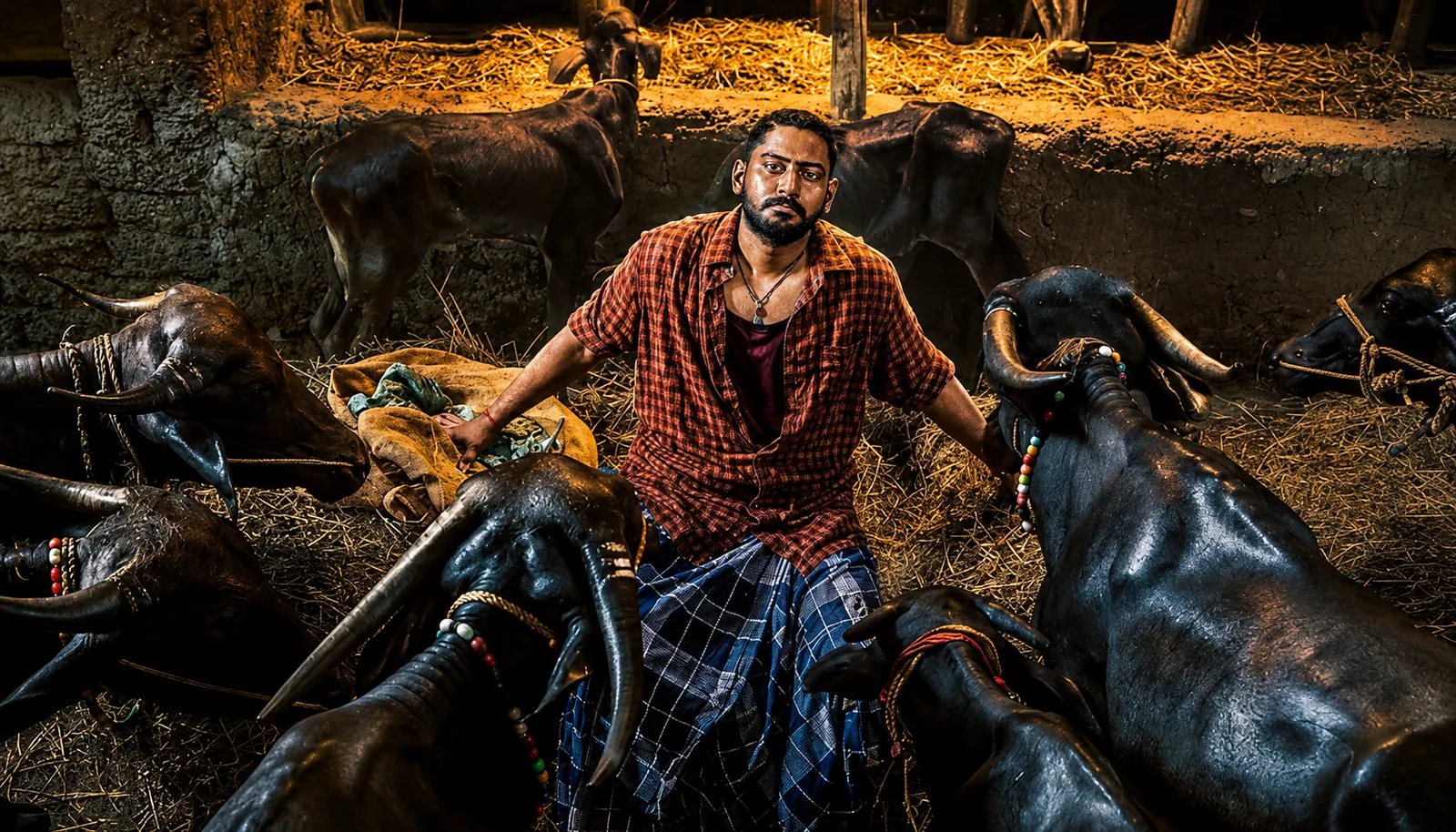
Prajwal Devaraj and Raj B. Shetty headline an ambitious Kannada drama that turns coastal Karnataka’s Kambala tradition into a story of inheritance, rivalry, belonging and the complicated relationship between humans and animals. There are films that merely use a region as their backdrop, and then there are films that attempt to make the land itself part of the narrative. Karavali belongs firmly to the latter category. Directed by Gurudatha Ganiga, the Kannada action drama travels deep into coastal Karnataka, drawing its visual and emotional identity from the region’s rain-soaked landscapes, village traditions, cattle-rearing culture and, above all, Kambala — the celebrated traditional buffalo race of the coast. Starring Prajwal Devaraj in the central role and featuring Raj B. Shetty in a significant extended appearance, Karavali positions itself as more than a conventional action entertainer. Beneath its racing buffaloes, muddy tracks and generational rivalries lies a story concerned with legacy: who inherits tradition, who controls it and what happens when pride becomes more important than the values a tradition was supposed to preserve.
A Story Born from the Coast
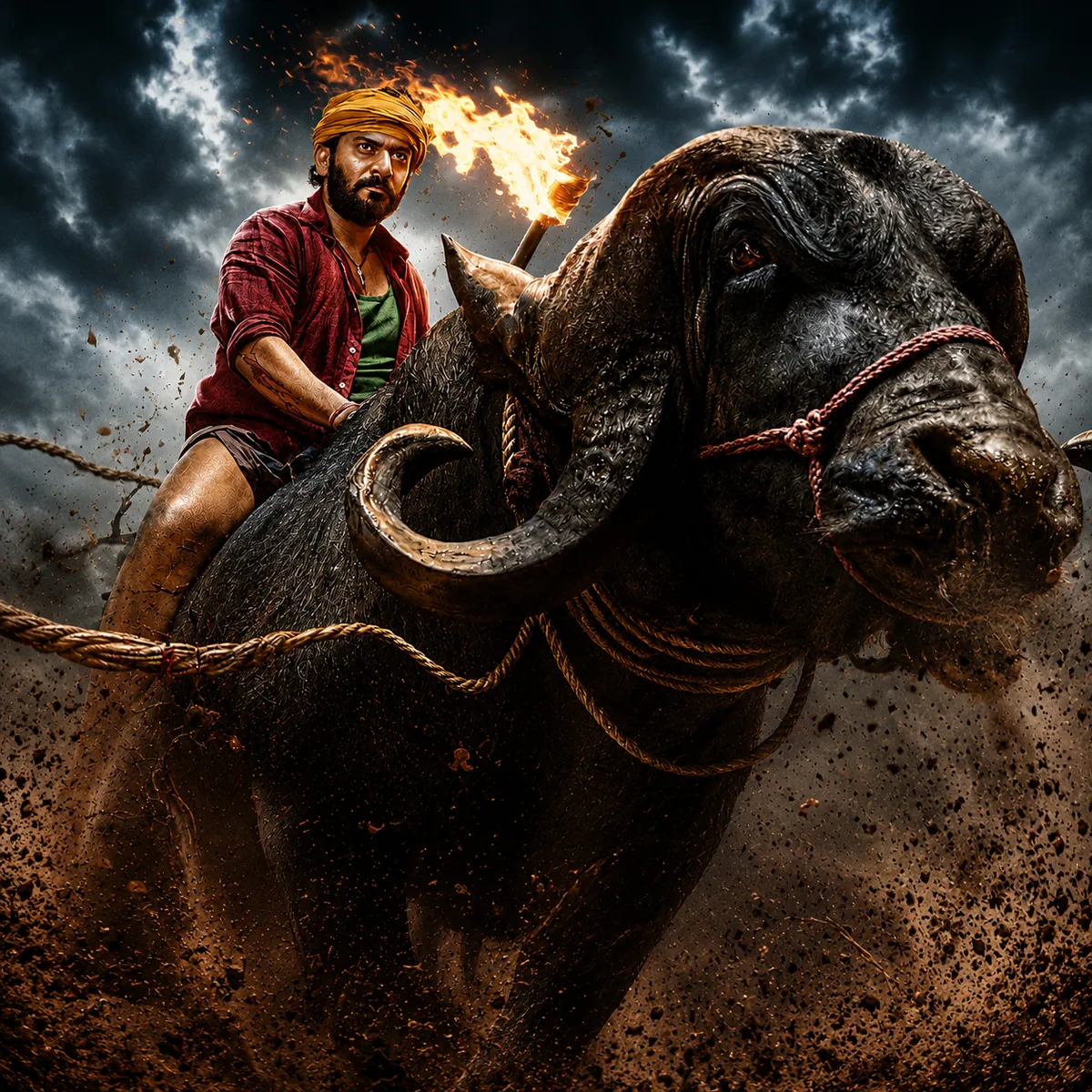
At the centre of Karavali is Dhananjaya, played by Prajwal Devaraj, a young man whose relationship with animals is far easier than his relationship with people. Raised by his grandparents, Dhananjaya belongs to a family associated with caring for a revered lineage of cattle. His life takes an unexpected turn when Bhoomi, a sacred cow connected with the village’s traditional festivities, disappears. What begins as a search gradually pulls Dhananjaya into a much larger world of unresolved histories, old rivalries and Kambala. The film moves between generations, allowing the present to intersect with stories from the past. Central to that history is Mahaveera, portrayed by Raj B. Shetty, whose legacy continues to influence the people around him long after the events associated with his generation. The result is a narrative where the past is never entirely past. Old choices continue to shape new lives, while younger characters inherit conflicts they did not necessarily create.
Kambala Becomes More Than a Sport
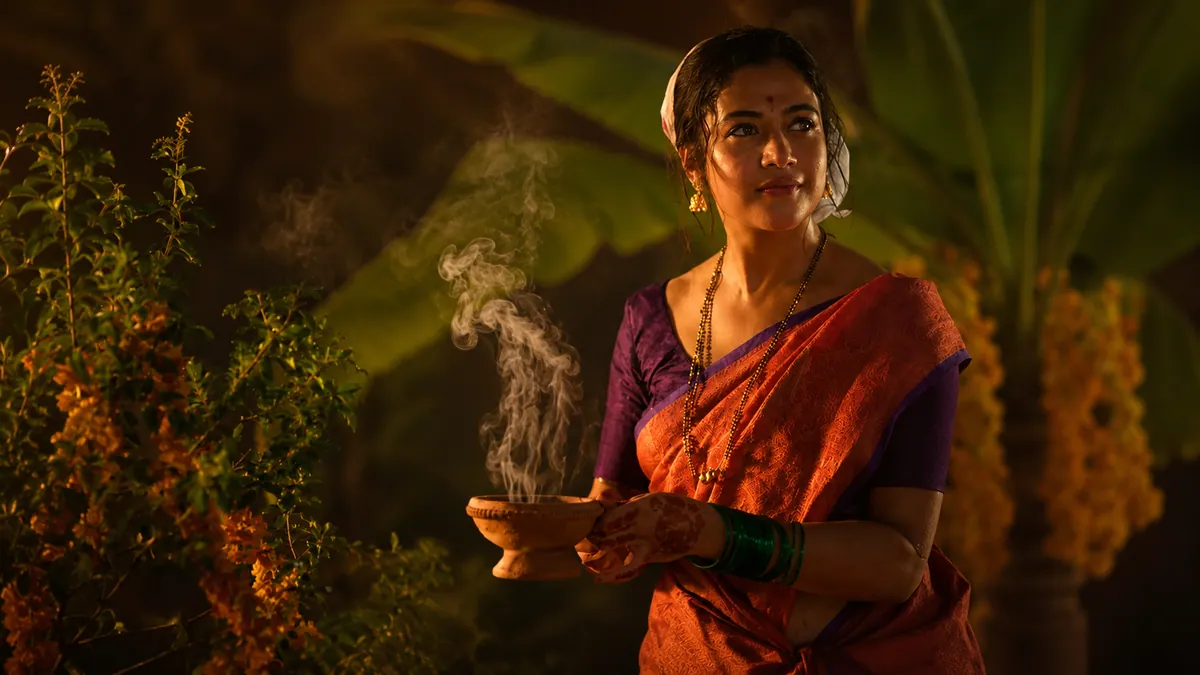
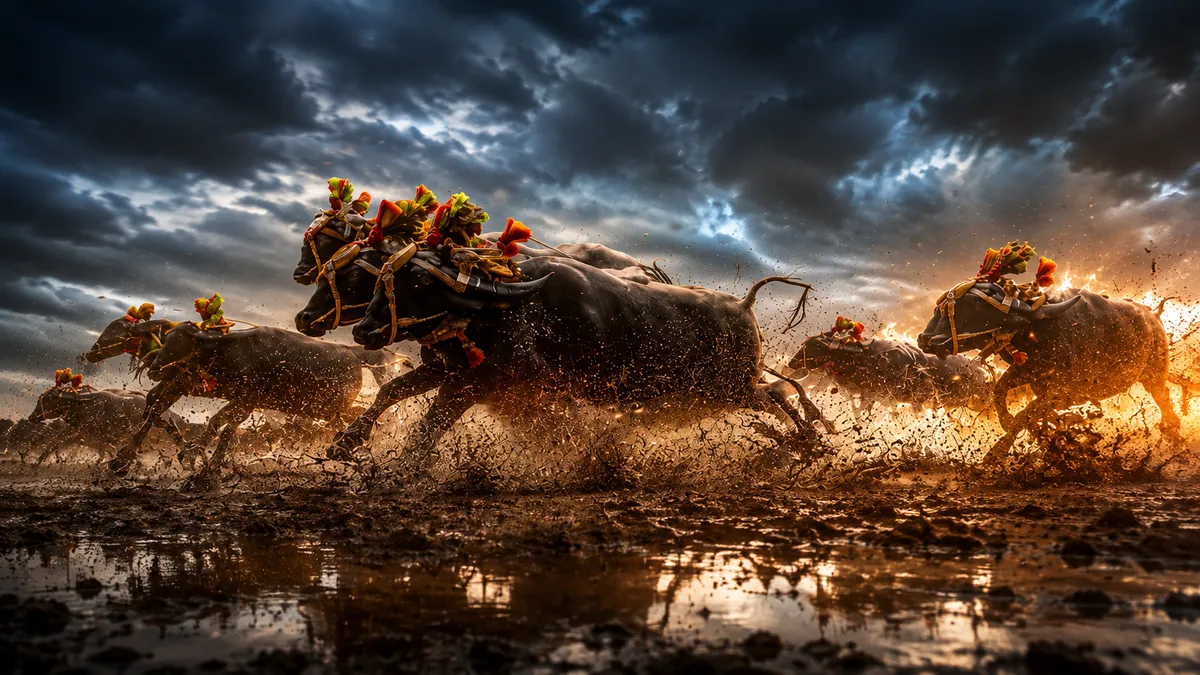
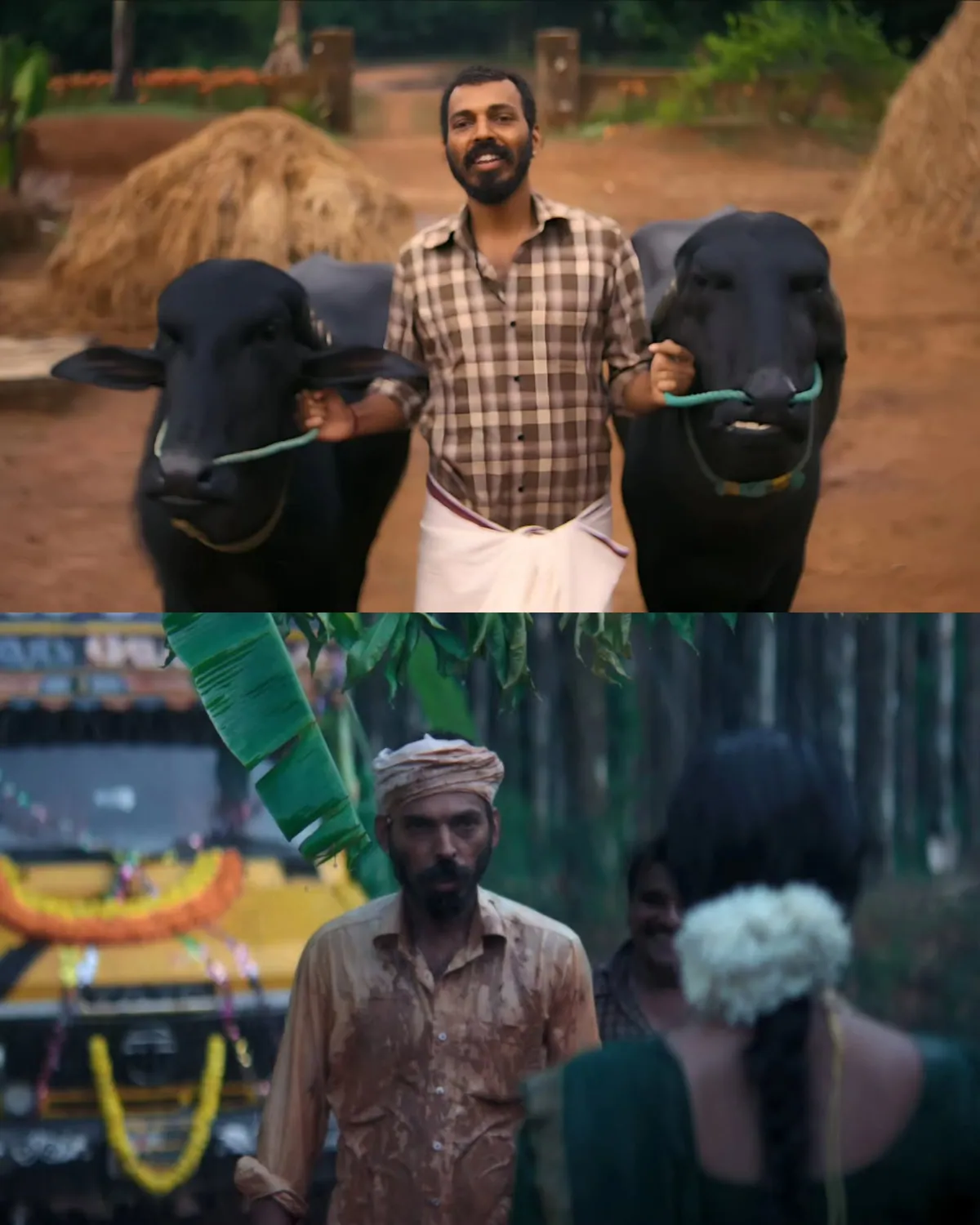
Karavali’s most distinctive element is its treatment of Kambala. Rather than presenting the traditional buffalo race simply as a spectacular sporting sequence, the film uses it as a meeting point for several competing ideas — devotion, prestige, livelihood, friendship, social hierarchy and family honour. For some characters, Kambala represents worship and heritage. For others, it becomes a symbol of status and authority. And for those who live closely with the buffaloes, the sport carries an emotional meaning that outsiders may never completely understand.
This distinction gives Karavali some of its most interesting observations. The buffaloes themselves are indifferent to human ideas of wealth, caste or prestige. Their relationship is with those who feed, train and care for them. Humans, however, bring ambition, prejudice and rivalry into the arena. Through that contrast, the film attempts to transform the Kambala track into a metaphor for a much larger race — one involving identity, inheritance and power.
Mahabala
The Man Between Generations
Although Prajwal Devaraj and Raj B. Shetty provide the film with its star presence, Mithra’s Mahabala becomes an important bridge connecting its different timelines. Mahabala is an ageing Kambala racer whose relationship with animals reveals a gentler side of a world otherwise filled with rivalry. His story also allows the film to examine social divisions surrounding tradition. His confrontation with the powerful Doddavaru, played by Ramesh Indira, pushes the narrative beyond sporting competition. Kambala may theoretically belong to the community, but Karavali asks what happens when influential people begin treating cultural heritage as private property. This conflict between preservation and control gives the film a more socially conscious dimension.
Prajwal Devaraj Steps Into a Different Arena

Karavali arrives as a significant project in Prajwal Devaraj’s filmography, giving the actor a role rooted in physicality while demanding a quieter emotional connection with animals and the environment around him. As Dhananjaya, he is not introduced merely as another action hero. His connection with cattle becomes essential to understanding his character. His journey into Kambala consequently becomes more than a sporting challenge. It is also a journey towards understanding his own place within a history that existed before him. Opposite this contemporary storyline stands Raj B. Shetty’s Mahaveera. Shetty’s screen presence gives the character an almost legendary quality. Instead of occupying every stage of the narrative, Mahaveera exists partly through memory and reputation, allowing the film to explore the way communities transform people into legends. The supporting ensemble includes Sampada, Ramesh Indira, Mithra, Sridhar K.S., Sushmitha Bhat and Govinde Gowda, among others.
Behind the action lies an intriguing question: Do traditions survive because we preserve them exactly as they were, or because every generation discovers a new reason to keep them alive?
Rain, Mud & a Strong Visual Identity
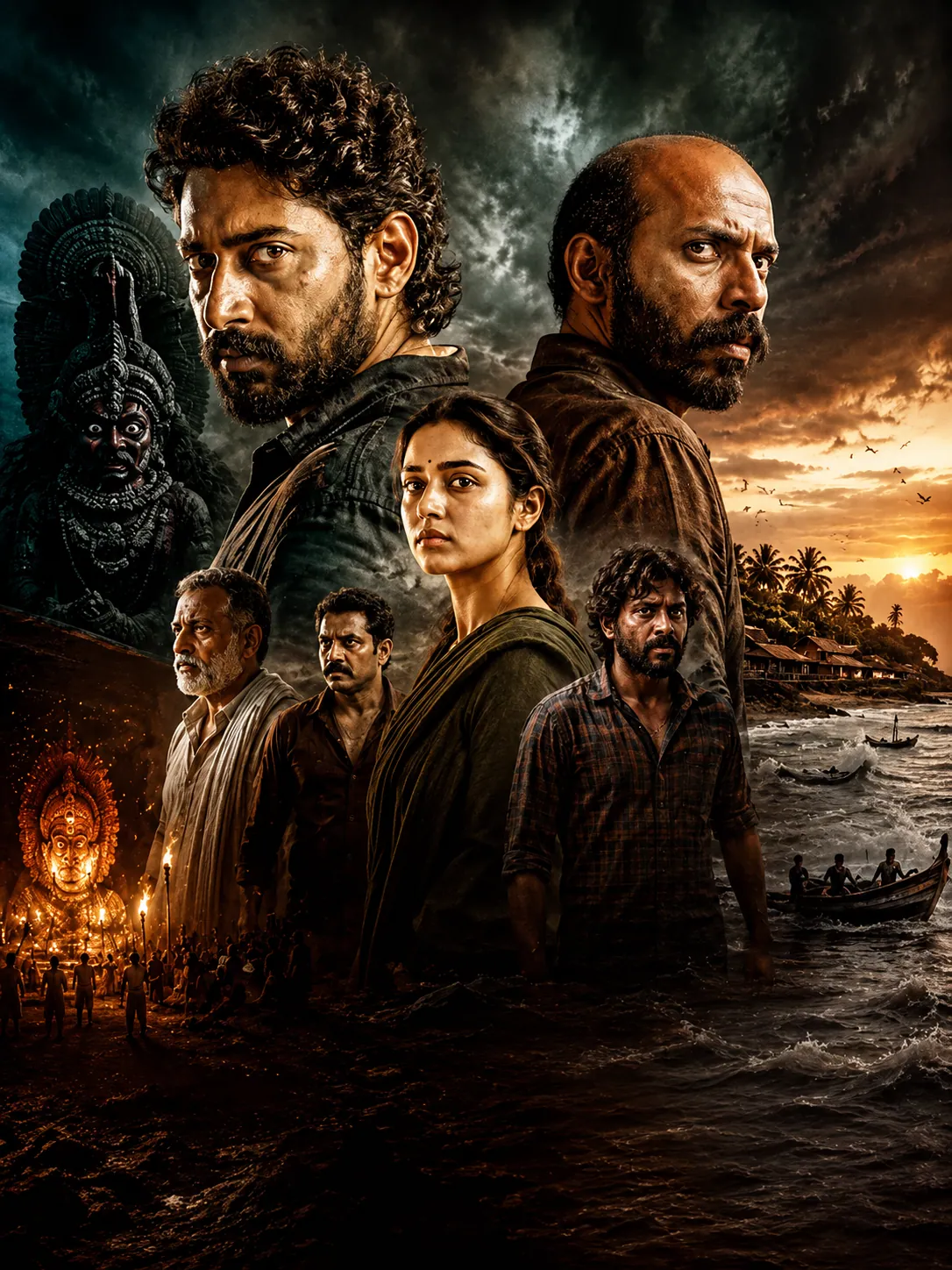
If there is one area where Karavali has attracted consistent appreciation, it is its visual presentation.
Cinematographer Abhimanyu Sadanandan captures coastal Karnataka through rain, greenery, wet earth and the muscular movement of buffaloes charging through Kambala tracks. Mud and water become almost textural elements of the film. The race sequences rely on movement and physical intensity, while wider shots emphasise the relationship between humans, animals and the landscape surrounding them. The film’s technical team also includes Sachin Basrur on music, Pratheek Shetty as editor and Vikram Mor handling action, contributing to the production’s large-screen ambitions. It is easy to understand why the makers have positioned Karavali as a theatrical experience. Its strongest qualities are often sensory — pounding movement, rainfall, racing buffaloes, music and the rugged visual character of the coast.
An Ambitious Story That Divided Critics
Critical reaction has been more measured. Reviews have broadly recognised the originality of using Kambala and coastal traditions as the foundation for a generational action drama, while also identifying screenplay and emotional development as areas where the film does not always fulfil its ambitions. Cinema Express described the film as a story in which Kambala becomes an arena for questions about legacy, belonging and inheritance. India Today similarly praised its atmosphere and intriguing ideas while arguing that greater narrative clarity and depth could have made its emotional impact stronger. That tension perhaps defines Karavali. Visually, it knows exactly where it belongs. Emotionally and narratively, it occasionally struggles to translate every ambitious idea into equally powerful drama. Yet even the more restrained reviews acknowledge the strength of its setting and technical craftsmanship.
A Steady Beginning at the Box Office
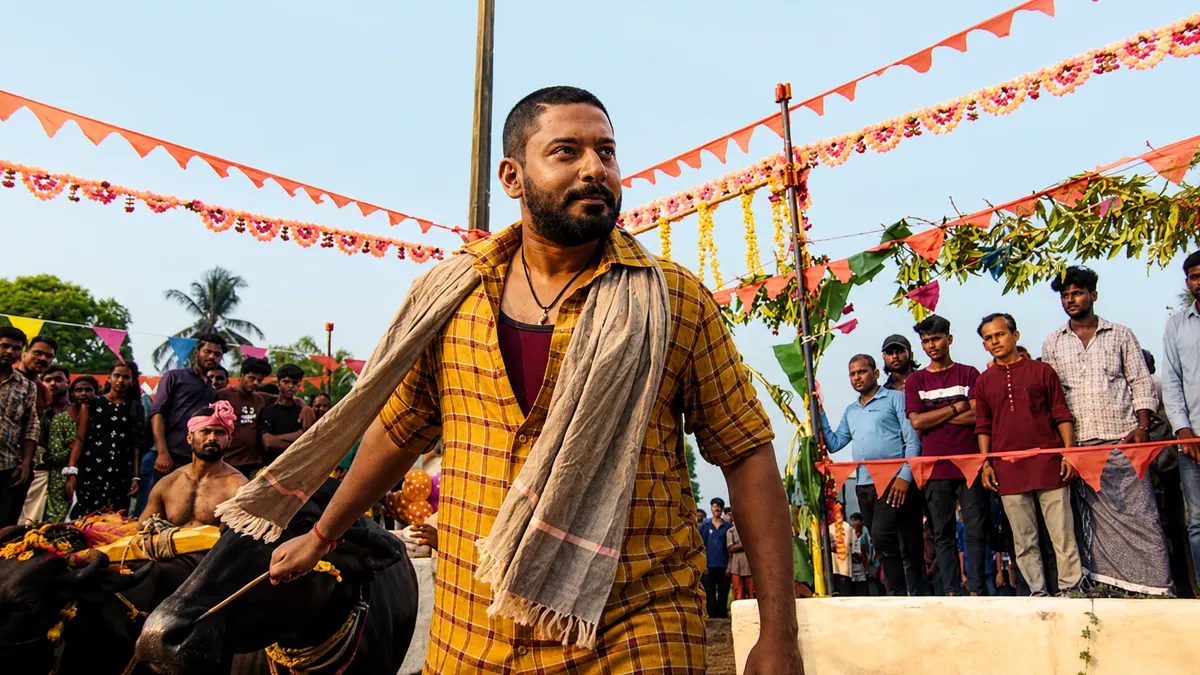

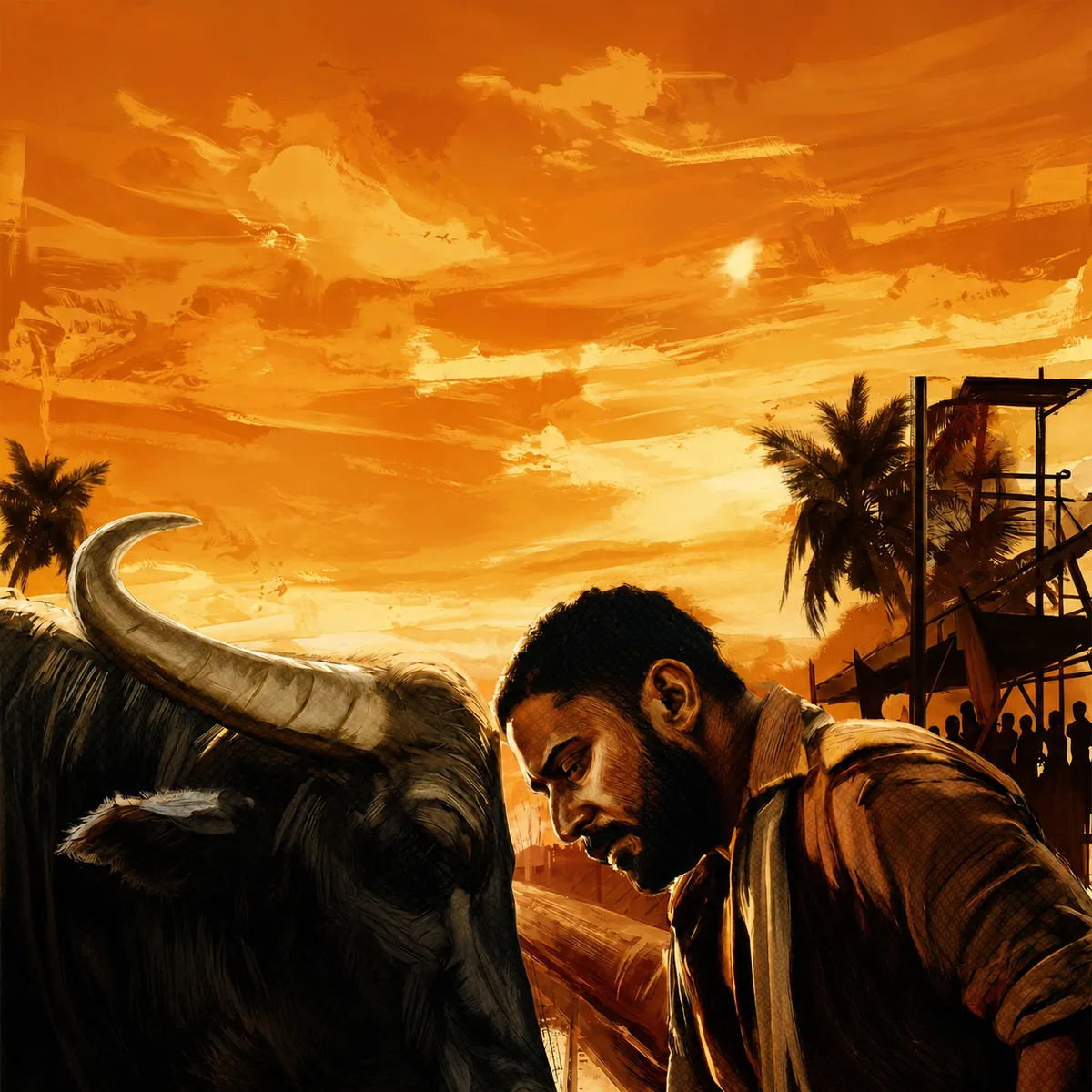
Commercially, Karavali began its theatrical journey on a steady note. Early industry estimates placed its opening-day India net collection at approximately ₹1.82 crore, with an estimated India gross of around ₹2.05 crore. As with unofficial box-office tracking, these figures remain estimates rather than audited producer totals. Initial online reactions also reflected the divide seen among professional critics.
Viewers praised the performances, cinematography, music, production design and cultural setting, while some felt that portions of the screenplay could have delivered greater narrative momentum. For a Kannada film deeply tied to a specific regional culture, however, the early attention demonstrates the growing appetite for stories that confidently embrace their geographical identity.
When Regional Identity Becomes Cinematic Strength
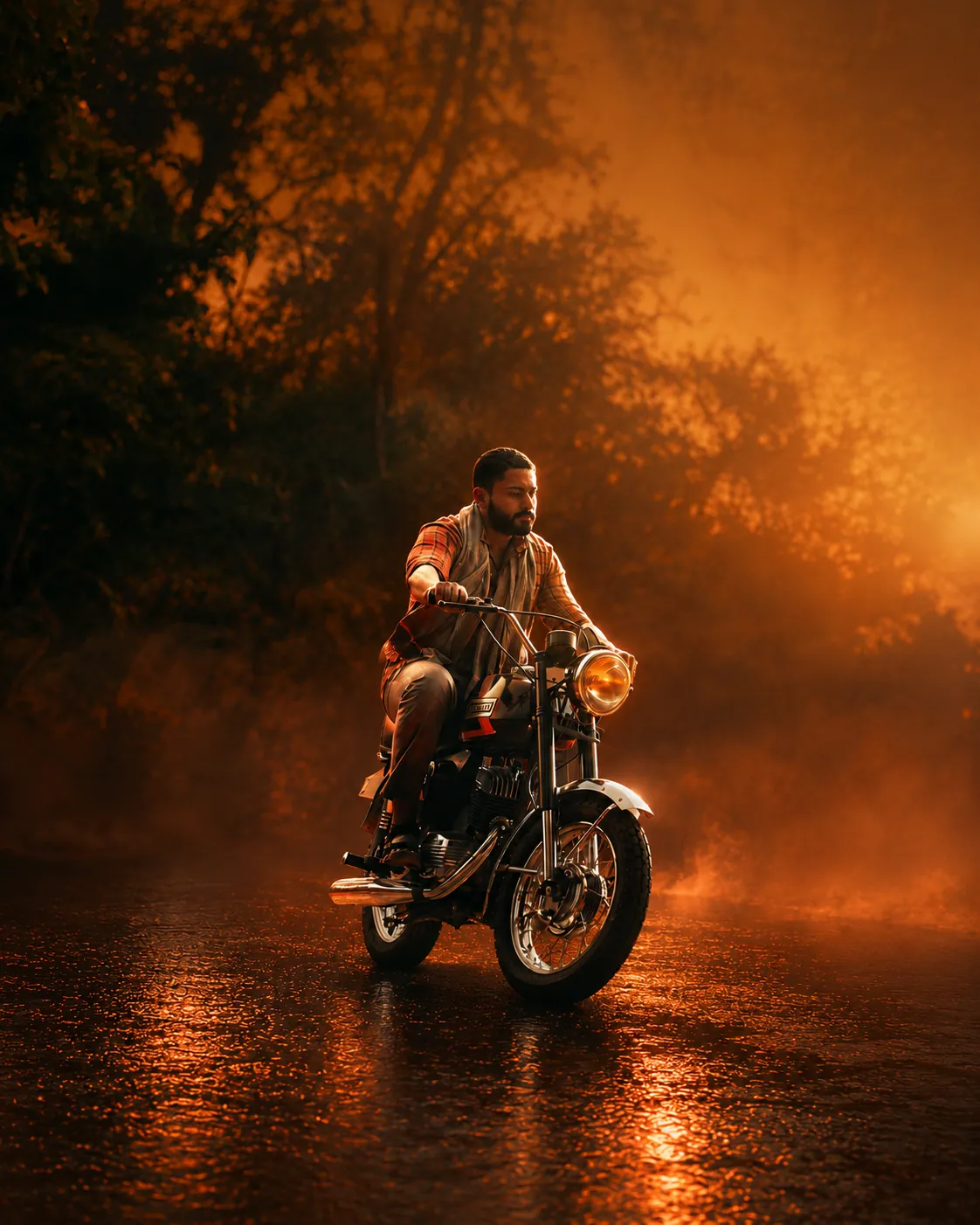
Karavali ultimately belongs to a growing strand of Kannada cinema that sees local culture not as a limitation but as a source of cinematic scale. Its world could not easily be relocated. The buffaloes, Kambala tracks, monsoon skies, village hierarchies and inherited traditions all connect the story unmistakably to coastal Karnataka. That specificity is one of the film’s greatest strengths. Karavali may not resolve every narrative ambition with the same force as its imagery, but it succeeds in putting a distinctive cultural world on the big screen with considerable visual conviction. Behind the action lies an intriguing question: Do traditions survive because we preserve them exactly as they were, or because every generation discovers a new reason to keep them alive? Karavali races through the mud looking for an answer — and in doing so, turns the spirit of Karnataka’s coast into its most compelling character.