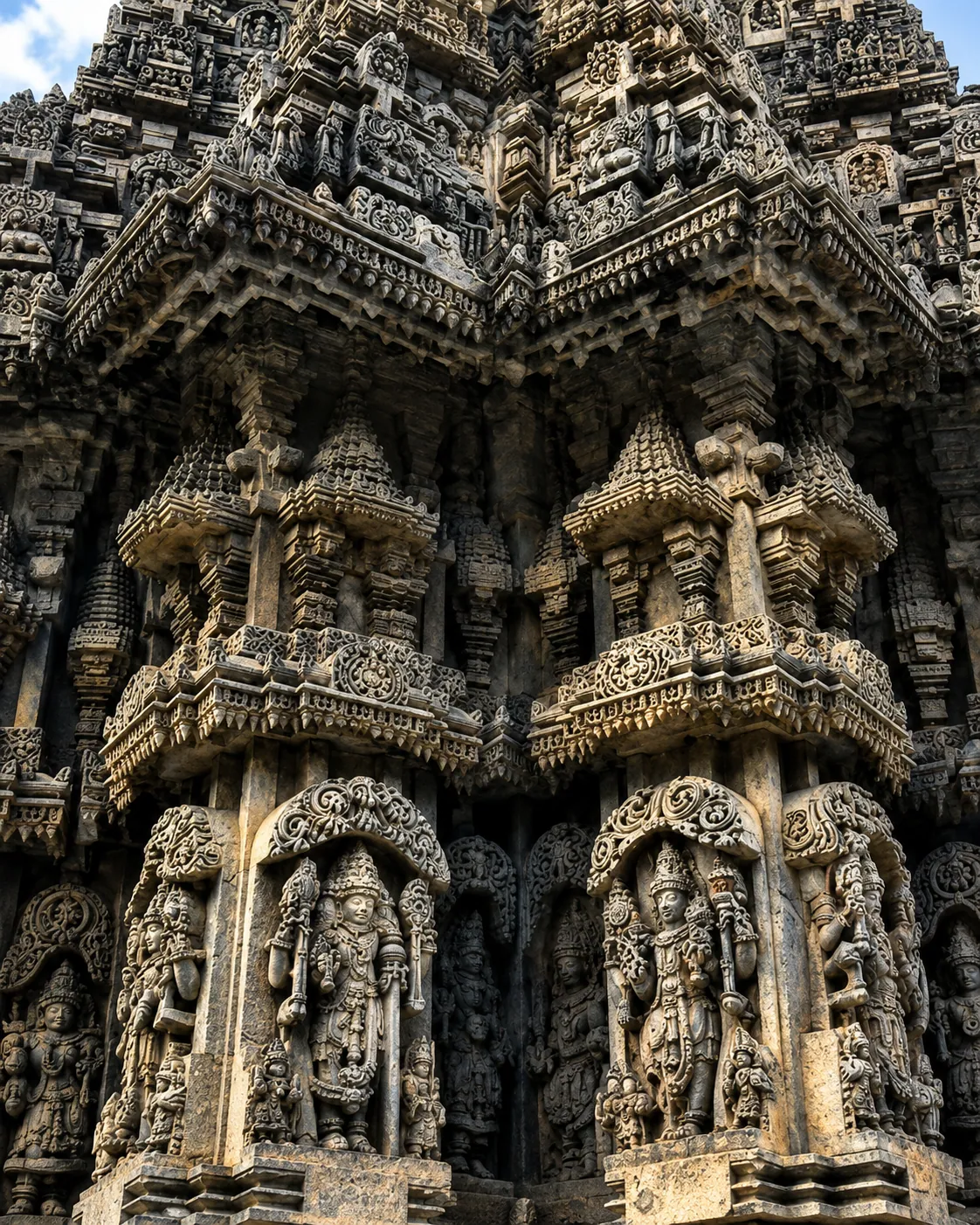
On the banks of the Yagachi River in Karnataka’s Hassan district stands one of India’s most extraordinary achievements in stone—the Chennakeshava Temple of Belur. More than nine centuries after its creation, the temple continues to function as a place of worship while attracting travellers, historians, architects and art lovers from around the world. Belur was once an important capital of the Hoysala kingdom, and the temple remains one of the clearest expressions of the dynasty’s artistic ambition. Commissioned by Hoysala king Vishnuvardhana in the early 12th century and consecrated in 1117 CE, the monument is dedicated to Chennakeshava, or Keshava, a form of Lord Vishnu. Construction and artistic additions continued across generations, creating the remarkably elaborate complex visitors encounter today. Its international importance received further recognition in 2023 when UNESCO inscribed the Sacred Ensembles of the Hoysalas on the World Heritage List. The serial property comprises the Channakeshava Temple at Belur, Hoysalesvara Temple at Halebidu and Keshava Temple at Somanathapura—three outstanding representatives of Hoysala sacred architecture from the 12th and 13th centuries.
An Architectural Language Created in Stone
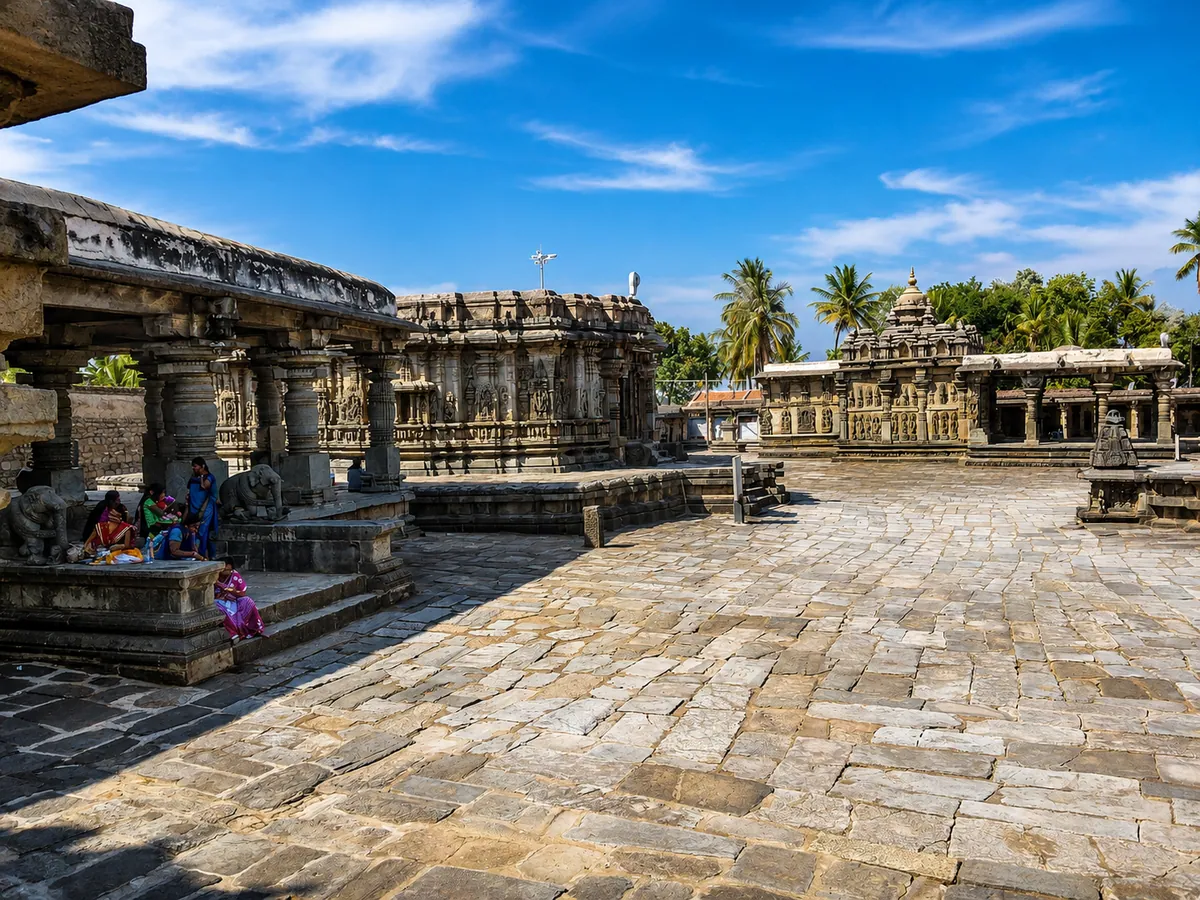
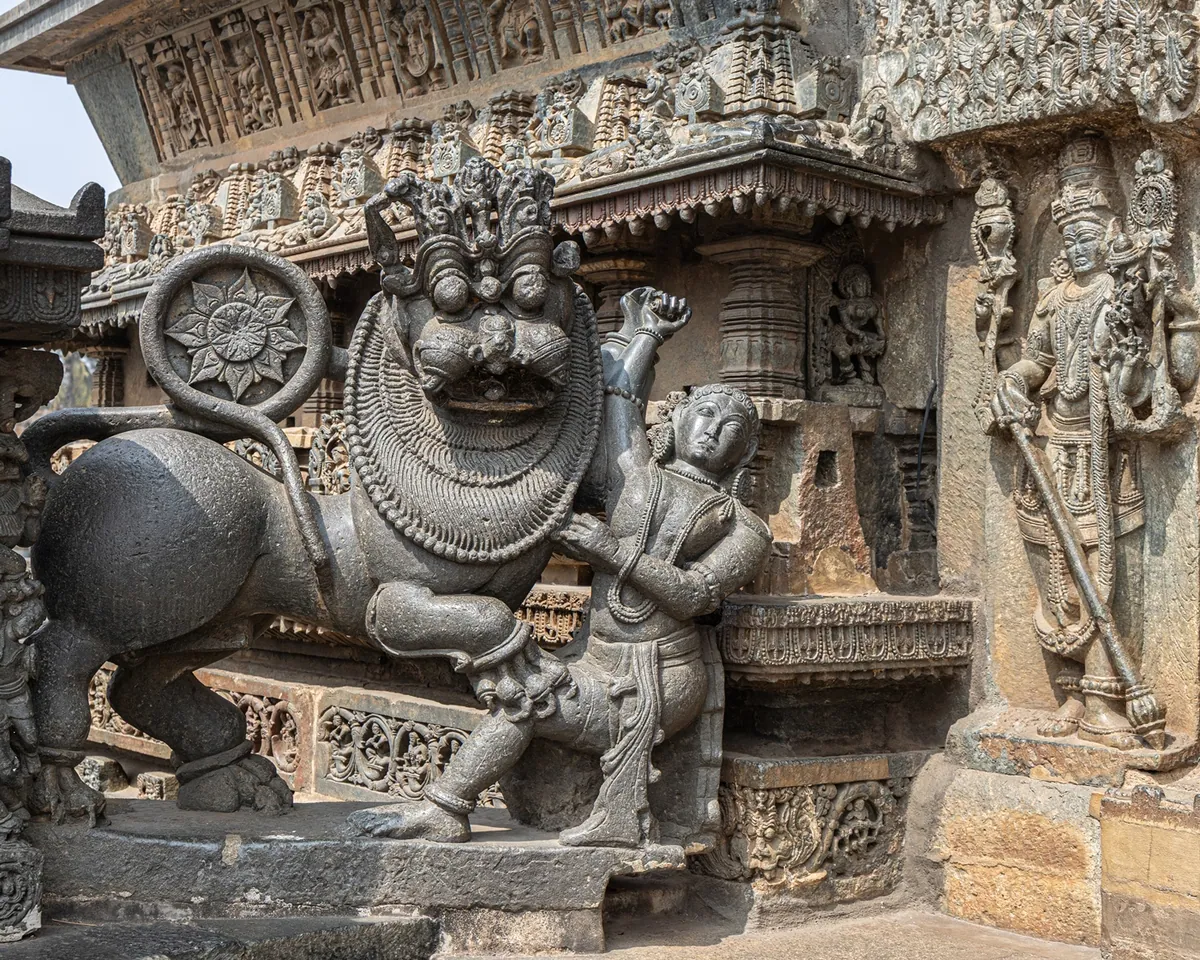
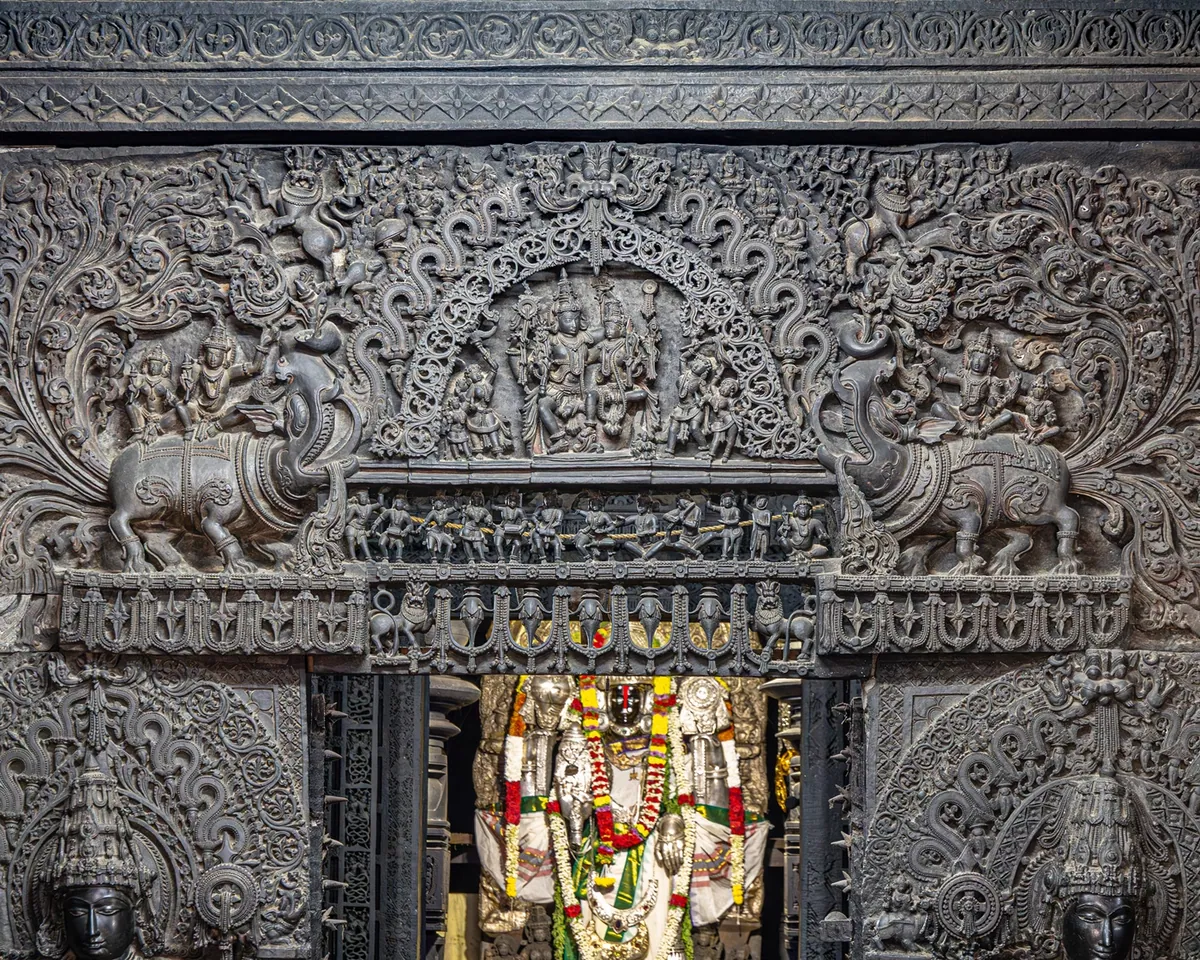
The first impression of Chennakeshava Temple is one of extraordinary detail. Built primarily from chloritic schist, commonly called soapstone, the temple demonstrates why Hoysala craftsmen became celebrated for exceptionally intricate sculpture. Soapstone is comparatively soft when freshly quarried, allowing artisans to carve remarkably fine details before the material gradually hardens. The result at Belur is an architectural surface that seems almost continuously sculpted. The temple rises on a raised platform, or jagati, which provides a circumambulatory path around the structure. Walking along it allows visitors to examine horizontal sculptural bands populated by elephants, horses, lions, dancers, musicians, mythical creatures, deities and episodes from Hindu sacred literature. UNESCO identifies such characteristics—including stellate forms, circumambulatory platforms, multi-tiered friezes and extensive sculptural galleries—as defining elements of the distinctive Hoysala architectural tradition.
Stories, Dance & Daily Life Preserved for Centuries
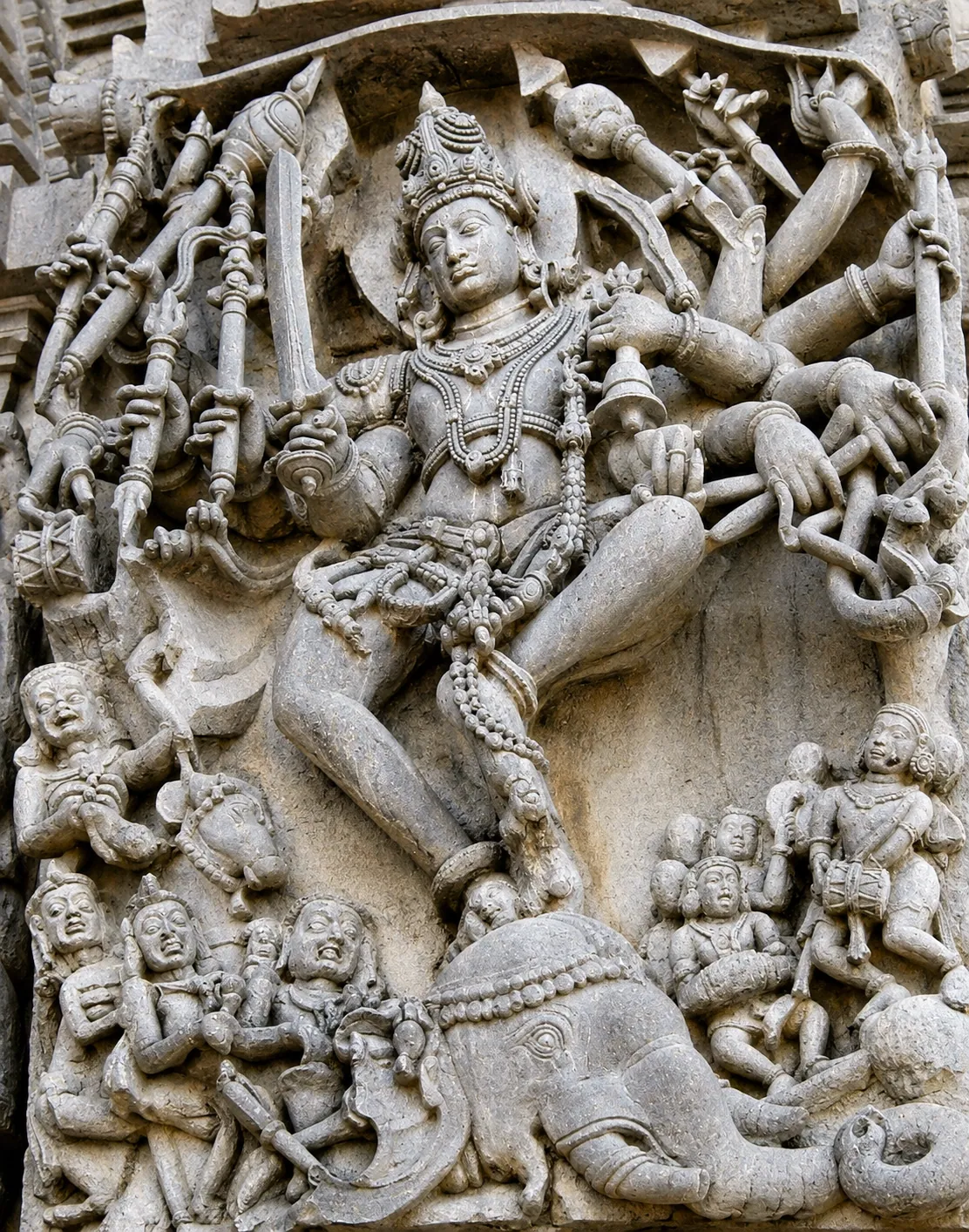
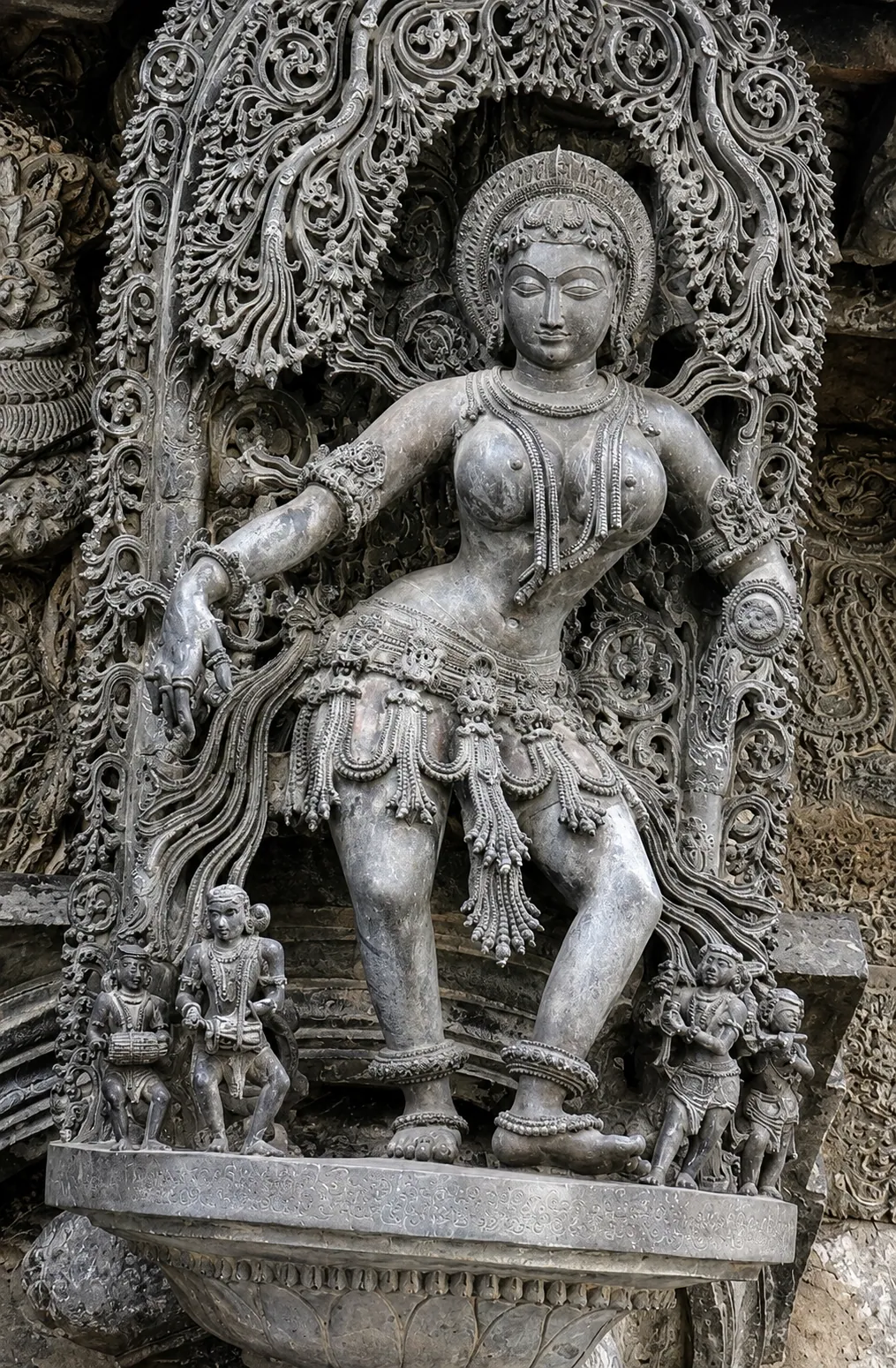
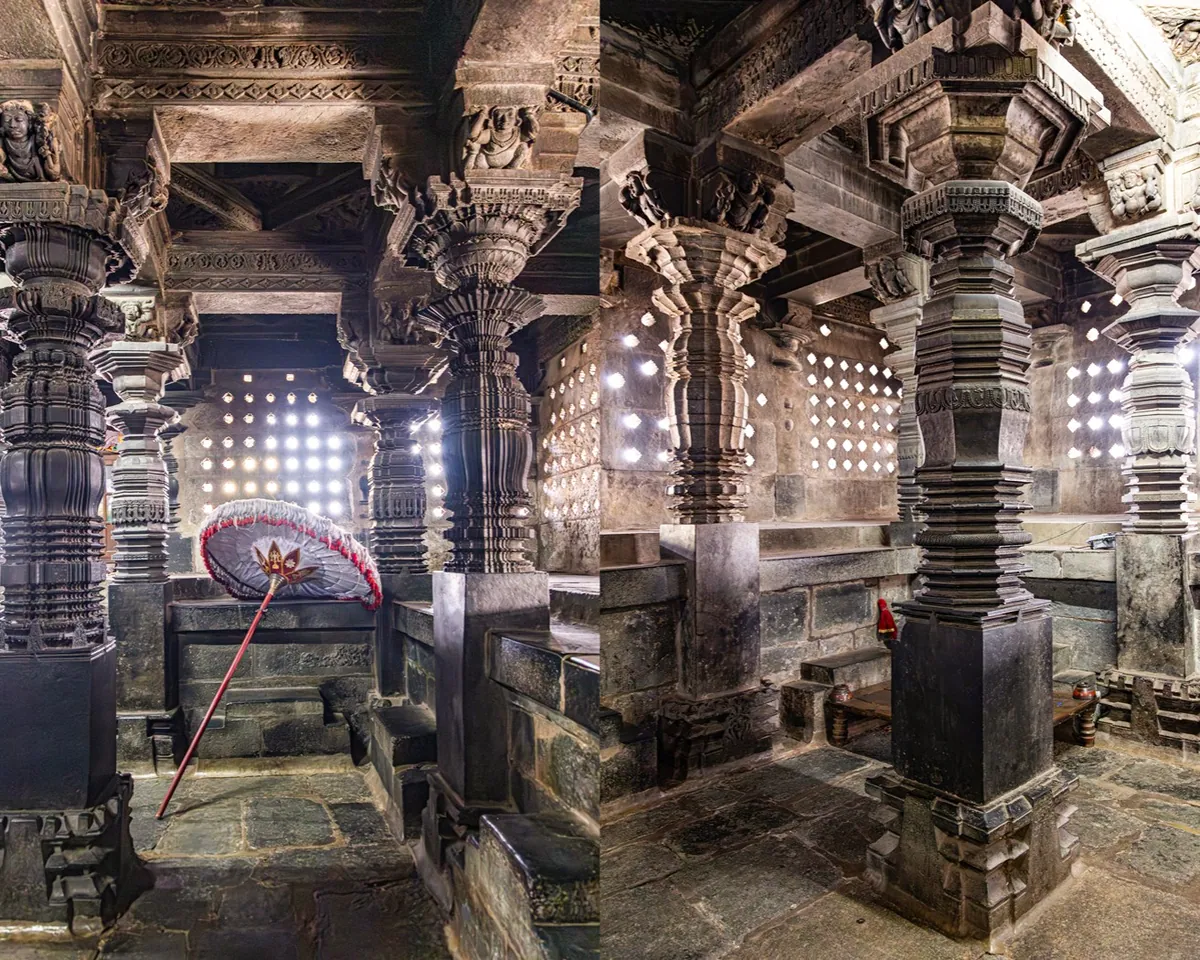
What makes Belur especially fascinating is that its carvings extend far beyond conventional religious imagery. Scenes inspired by the Ramayana, Mahabharata and Puranic traditions appear alongside representations of musicians, dancers, warriors, animals and ordinary life. The temple therefore works almost like an illustrated archive of medieval South India, offering glimpses into clothing, jewellery, performance, weaponry and social customs. Among its most celebrated sculptures are the Madanikas—elegantly carved female figures positioned around the temple. They appear dancing, hunting, playing music, admiring themselves in mirrors or interacting with animals. One particularly famous figure is Darpana Sundari, the “Lady with the Mirror,” traditionally associated with the beauty of Queen Shantala Devi. The temple is also known for its polished, lathe-turned pillars and richly decorated interior spaces. The complexity of the craftsmanship becomes even more apparent when visitors move slowly around the structure. Tiny jewellery details, facial expressions and decorative patterns reward close observation. This is not a monument designed to be understood from a single viewpoint; its architecture encourages movement, discovery and repeated inspection.
A Temple That Remains Alive
Unlike many historic monuments preserved primarily as archaeological sites, Chennakeshava continues its original religious function. Worship, rituals and festivals have continued at Belur since the temple’s establishment in 1117 CE, according to UNESCO’s assessment of the Sacred Ensembles of the Hoysalas. That continuity gives Belur a distinctive atmosphere. Visitors encounter not only ancient sculpture and architecture but also bells, prayers, flowers and devotees arriving for darshan.
The temple complex contains several additional shrines and structures, including the Kappe Chennigaraya, Soumyanayaki and Andal temples. Together they reveal how the site developed over centuries rather than remaining frozen at one moment in history.
Nearby Attractions
Extend the Journey Beyond Belur
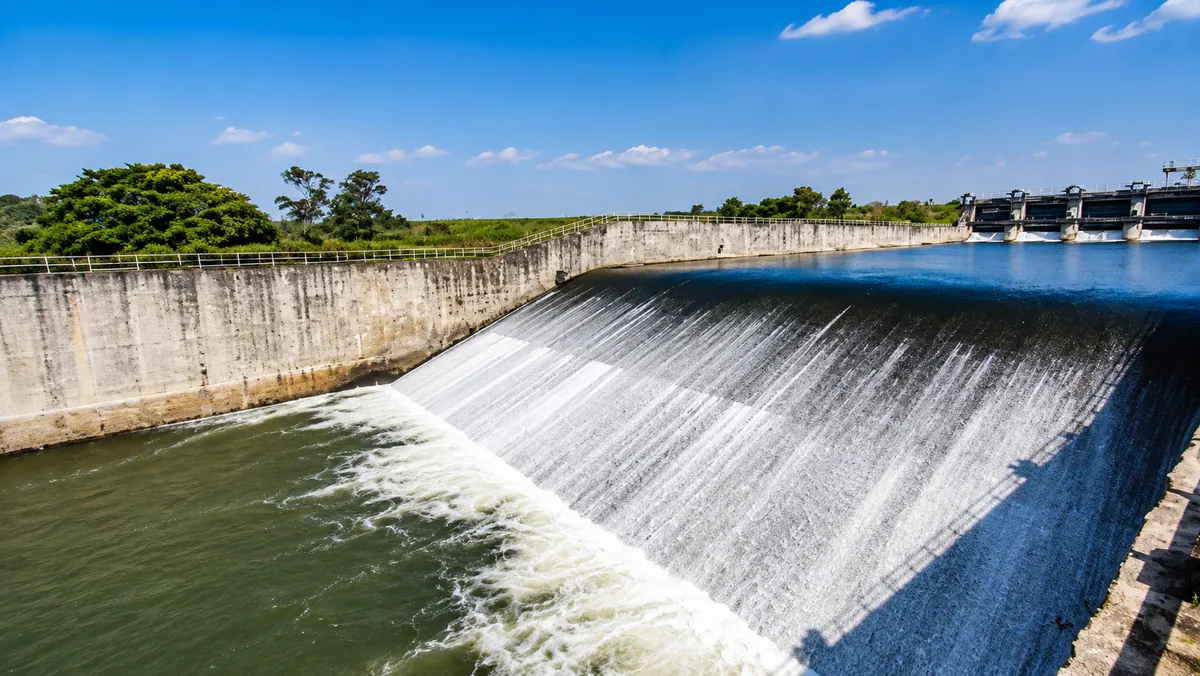
Belur is an excellent base for exploring the wider Hoysala heritage landscape. The most important companion destination is Halebidu, approximately 16–20 km away. Once known as Dwarasamudra, it became another major Hoysala capital. Its magnificent Hoysaleshwara Temple is famous for elaborate exterior carvings depicting episodes from the Ramayana, Mahabharata and Bhagavata traditions. Only a few kilometres from Belur is Yagachi Dam, a pleasant contrast to the region’s temple architecture. The reservoir is popular for scenic outings, while the Yagachi Water Sports Centre offers activities that can include speed boating, banana-boat rides, jet rides and kayaking, subject to operating and seasonal conditions.
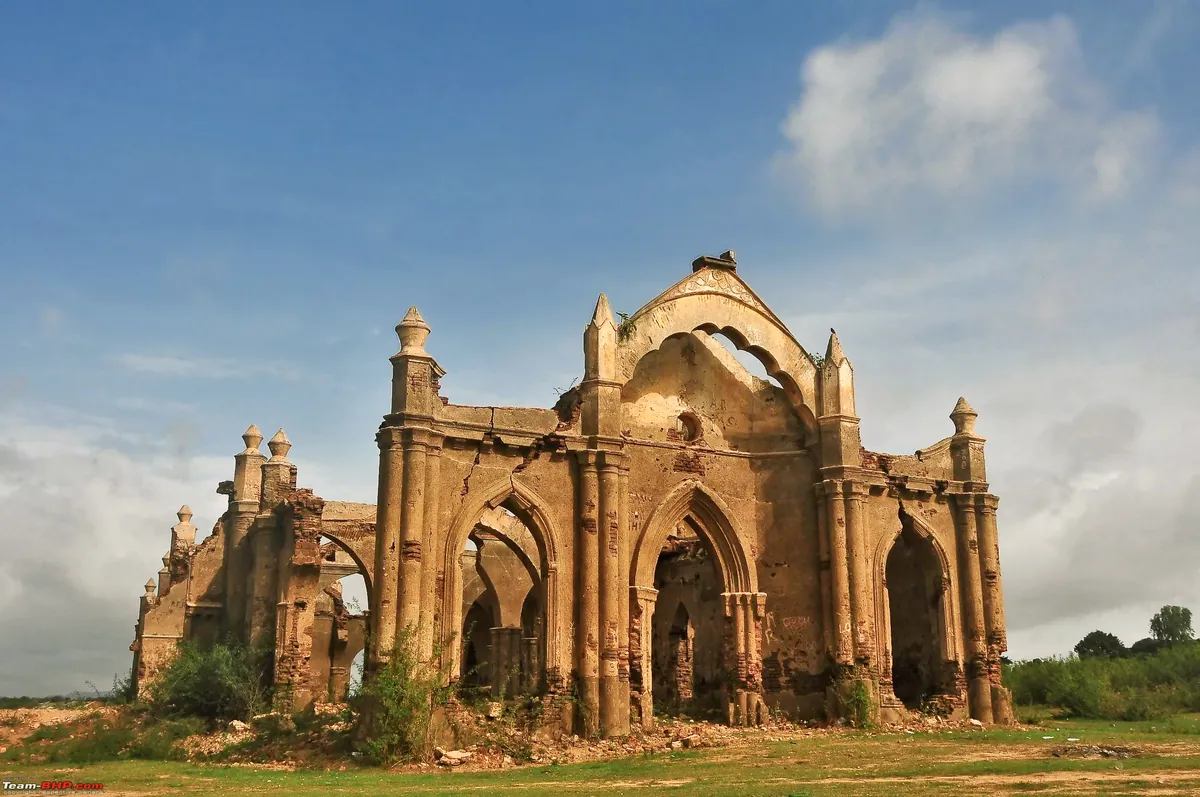
Travellers interested in discovering quieter Hoysala monuments can continue towards Belavadi, home to the Veera Narayana Temple. Its three-shrine arrangement and finely worked stone architecture make it a rewarding addition to a heritage itinerary. For something completely different, Shettihalli Rosary Church near the Hemavati reservoir provides one of Hassan district’s most unusual sights. Built in the 1860s, the Gothic-style church became associated with the reservoir landscape and is particularly atmospheric when seasonal water surrounds portions of the ruins. Those with more time can combine Belur’s heritage with the hills around Chikkamagaluru or Sakleshpur, turning the journey into a broader exploration of temples, coffee country and the Western Ghats.
More than nine centuries after its creation, the temple continues to function as a place of worship while attracting travellers, historians, architects and art lovers from around the world.
Stay Amid the Heritage
& Hills
Belur offers accommodation ranging from convenient town hotels to peaceful resorts and homestays surrounded by the landscapes of Hassan and Chikkamagaluru. Travellers primarily interested in the Chennakeshava Temple may find staying in Belur particularly convenient, allowing an early start before larger groups arrive and making it easier to explore nearby Halebidu and Yagachi Dam. Options around the region include The Heritage Resort Belur, Yagachi Resort, Hotel Mayura Yagachi and Lili’s Homestay. Travellers seeking a broader choice of hotels can stay in Hassan, around 35–40 km from Belur, which works well as a base for exploring the district’s heritage attractions. For visitors who want to transform the temple visit into a relaxed weekend escape, Chikkamagaluru is another appealing option. Its coffee estates, plantation homestays and premium resorts combine comfortably with a Belur–Halebidu itinerary. Properties such as The Serai Chikmagalur cater to travellers looking for a more luxurious stay surrounded by greenery. Whether choosing a simple hotel close to the temple or a countryside retreat, staying overnight allows visitors to experience the Hoysala region at a much slower and more rewarding pace.
A Taste of Karnataka Along the Way
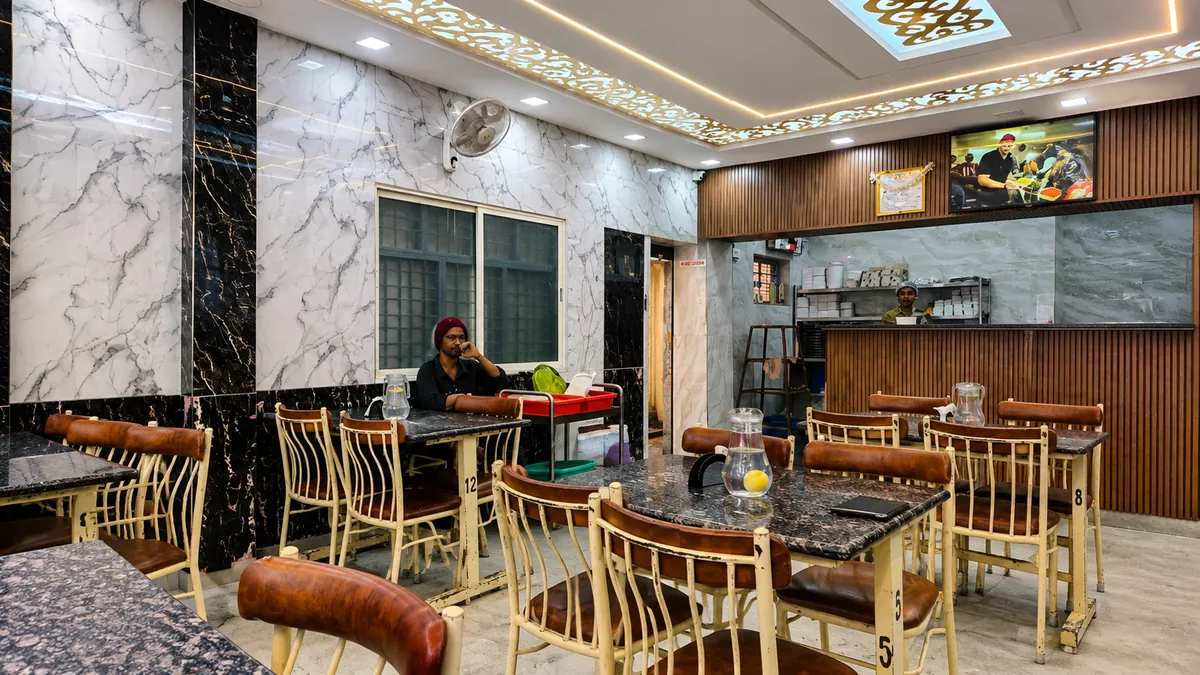
Exploring Belur can easily become a culinary journey through Karnataka. The town is particularly suited to travellers who enjoy traditional South Indian breakfasts. Start the morning with freshly prepared dosa, benne dosa, idli, vada and filter coffee before heading into the temple complex. For lunch, Karnataka-style vegetarian meals typically bring together rice, sambar, rasam, vegetables, curd and a variety of accompaniments, providing a simple but satisfying meal after several hours of sightseeing. Several restaurants are conveniently located around the Chennakeshava Temple. Anagha Grand, roughly 300 metres from the temple according to the supplied material, serves South Indian meals along with North Indian dishes and snacks. Sri Krishna Benne Dosa Hotel, around a kilometre away, is a useful stop for benne dosa, idli and vada, while Sumukha Grand offers another family-dining option in Belur. Travellers continuing towards Chikkamagaluru can extend the experience with Malnad cuisine and locally grown coffee. The surrounding coffee country is particularly enjoyable for visitors who want to combine heritage sightseeing with regional food and plantation experiences.
The Road to Hoysala Country
Belur is easily incorporated into a Karnataka road trip and is approximately 220 km west of Bengaluru. The most convenient driving route from Bengaluru generally follows NH 75 towards Hassan before continuing to Belur. Depending on traffic and stops, travellers should allow roughly four to five hours for the journey. Regular bus connections also make Belur accessible for travellers who prefer public transport. Hassan Junction is the nearest major railway station, approximately 35–40 km from Belur. Hassan has rail connections with Bengaluru, Mysuru, Mangaluru, Shivamogga and other Karnataka cities. From the station, visitors can continue to Belur by bus or taxi. The original source similarly identifies Hassan as the closest major rail-connected city to Belur. For air travellers, Kempegowda International Airport Bengaluru and Mangaluru International Airport are the principal gateways. Hiring a car is especially useful for visitors planning to combine Belur with Halebidu, Belavadi, Yagachi Dam and other attractions. A private vehicle turns the journey into a flexible heritage circuit rather than simply a visit to one monument.
When Belur Is at Its Most Beautiful
Belur can be visited throughout the year, but the period from October to March generally offers the most comfortable conditions for sightseeing. Cooler temperatures make it easier to spend several hours walking around the temple platform, studying its detailed sculptures and travelling onwards to Halebidu and other nearby attractions. The months immediately following the monsoon can be particularly attractive because the surrounding countryside is greener and reservoirs such as Yagachi often present a more scenic landscape. Travellers interested in combining temple architecture with photography may enjoy visiting during this period. An early-morning visit is particularly rewarding. Softer sunlight brings greater definition to the temple’s elaborate soapstone carvings, while the atmosphere can be quieter than during the busiest parts of the day. Late afternoon can also produce beautiful light across the sculpted exterior. Visitors should remember that Chennakeshava remains an active place of worship rather than simply a historic monument. Temple schedules may therefore vary during festivals, religious ceremonies and special occasions. Checking current opening and darshan timings before travelling is advisable, particularly when planning an early arrival or a tightly scheduled Belur–Halebidu day trip.
Turn the Visit into a Hoysala Heritage Trail

Rather than treating Belur as a single sightseeing stop, travellers can use it as the starting point for a wider exploration of Karnataka’s Hoysala heartland. Halebidu, only about 16 km from Belur according to the supplied source, is the natural next destination. Its celebrated Hoysaleswara Temple forms part of the same UNESCO-listed Sacred Ensembles of the Hoysalas and provides a fascinating comparison with Chennakeshava. Closer to Belur, Yagachi Dam offers a change of scenery with reservoir views and seasonal recreational activities. Travellers willing to venture farther can visit the Veera Narayana Temple at Belavadi, a quieter Hoysala monument admired for its three-shrine design and refined craftsmanship. Another memorable excursion is Shettihalli Rosary Church, whose Gothic-style ruins create a striking scene beside the Hemavati reservoir. During parts of the monsoon season, rising waters can partially surround the structure, giving it its famous “floating church” appearance. Together, these destinations allow visitors to experience architecture, spirituality, history and landscape within one memorable journey through Hassan district.