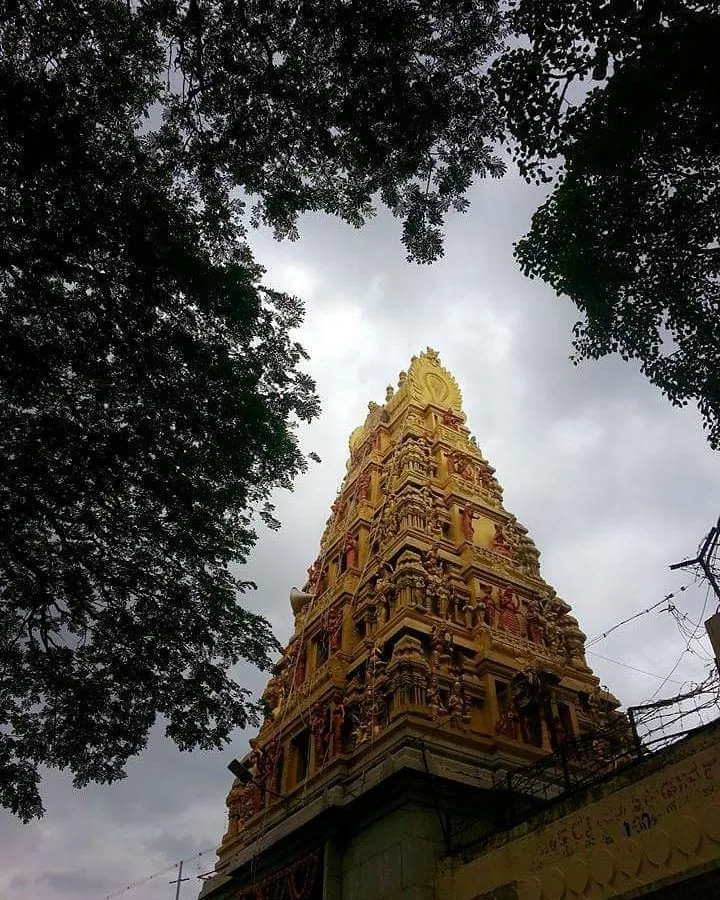
Nestled along the calm, winding banks of the sacred Cauvery River near Srirangapatna, the Nimishamba Temple stands as a tranquil spiritual retreat where devotion, nature, and serenity come together. Renowned for the belief that the presiding Goddess grants blessings within a “nimisha”—a single minute—the temple attracts thousands of devotees seeking relief, clarity, and divine intervention.
The gentle sound of flowing water, cool riverside breezes, and the peaceful surroundings offer a refreshing escape from everyday chaos. This harmonious blend of spirituality and nature makes the Nimishamba Temple one of Karnataka’s most cherished sacred destinations.
Historical Roots: A Legacy of Devotion


The origins of the Nimishamba Temple are believed to trace back to the Mysore Wadiyar era, a period marked by royal patronage of religious institutions. Queens such as Maharani Vanivilasa Sannidhana and other royal benefactors supported temple development throughout the region, strengthening its spiritual foundations.
Goddess Nimishamba, a revered form of Goddess Parvati, is worshipped here as a compassionate protector—one who swiftly resolves hardships and shields devotees from suffering. Though modest in physical scale, the temple holds immense cultural and spiritual significance and forms an integral part of Srirangapatna’s historic and devotional landscape.
Divine Presence: Goddess Nimishamba
The “One-Minute” Goddess
The name Nimishamba originates from the word “Nimisha”, meaning minute. Devotees firmly believe that prayers offered here are answered almost instantly, making the temple a powerful symbol of hope for those facing urgent challenges.
People visit seeking relief from family problems, financial stress, marriage delays, emotional turmoil, and personal obstacles. The Goddess is depicted seated gracefully on a lotus, radiating maternal warmth, serenity, and inner strength. The devotion surrounding her is deeply rooted in trust—faith that sincere prayers never go unheard.
Architectural Charm: Simple, Sacred, Serene

While the Nimishamba Temple may not be architecturally grand, its beauty lies in simplicity and spiritual intimacy. The structure reflects traditional Dravidian architectural elements, subtly adapted to its riverside setting.
Key Architectural Highlights
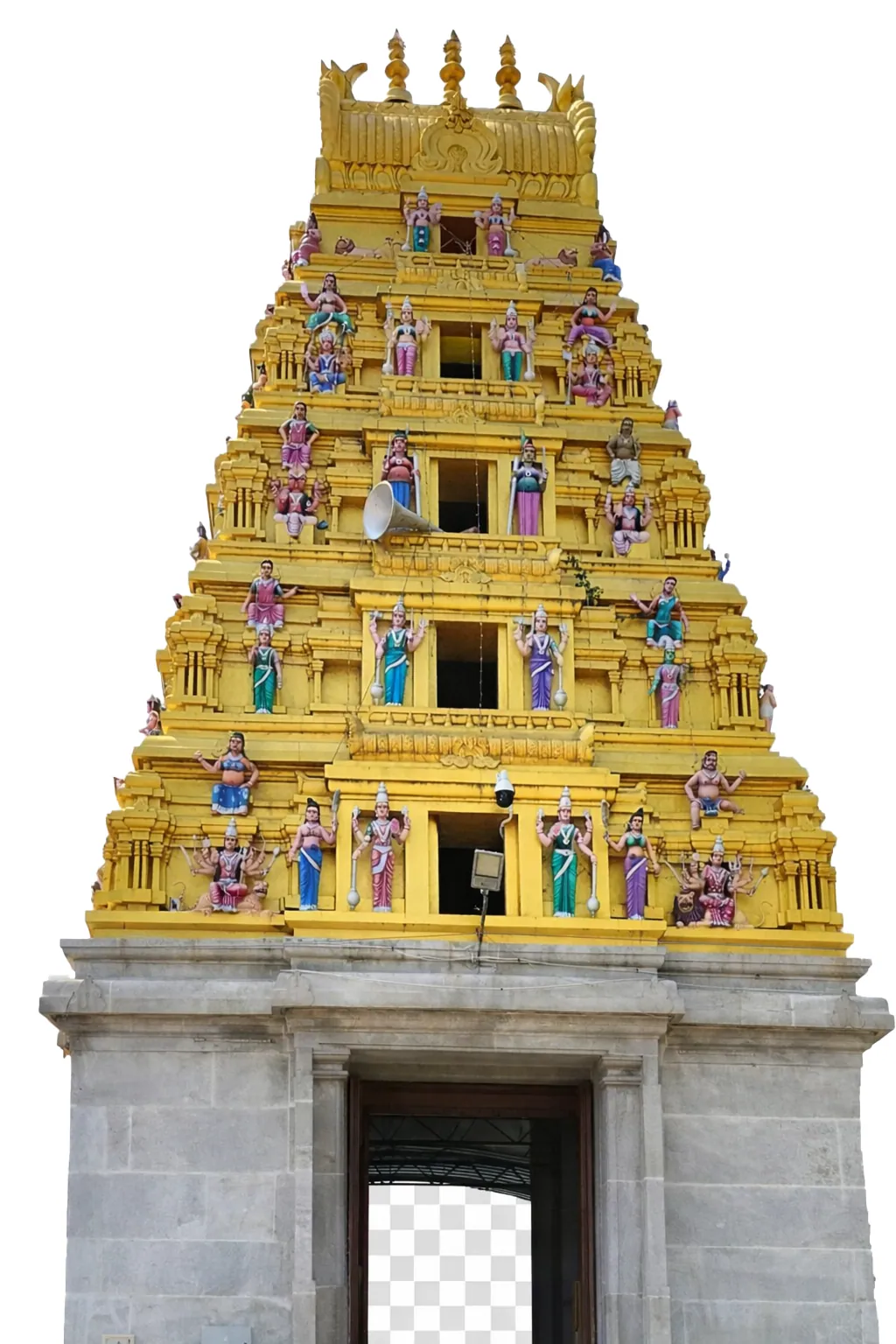
The Garbhagriha (sanctum) houses the idol of Goddess Nimishamba, accompanied by nearby shrines of Mukhyaprana (Hanuman), symbolizing strength and protection. A modest yet elegant gopuram welcomes devotees, adorned with auspicious carvings.
Uniquely, the sanctum faces the flowing Cauvery River, seamlessly integrating divine worship with nature. The temple also features a dedicated Naga Kallu (serpent stone) area, where devotees perform rituals related to fertility, ancestral doshas, and spiritual cleansing. Altogether, the temple preserves the timeless charm of an old riverside shrine—pure, untouched, and spiritually elevating.
The Cauvery Connection: Where Nature Meets Faith

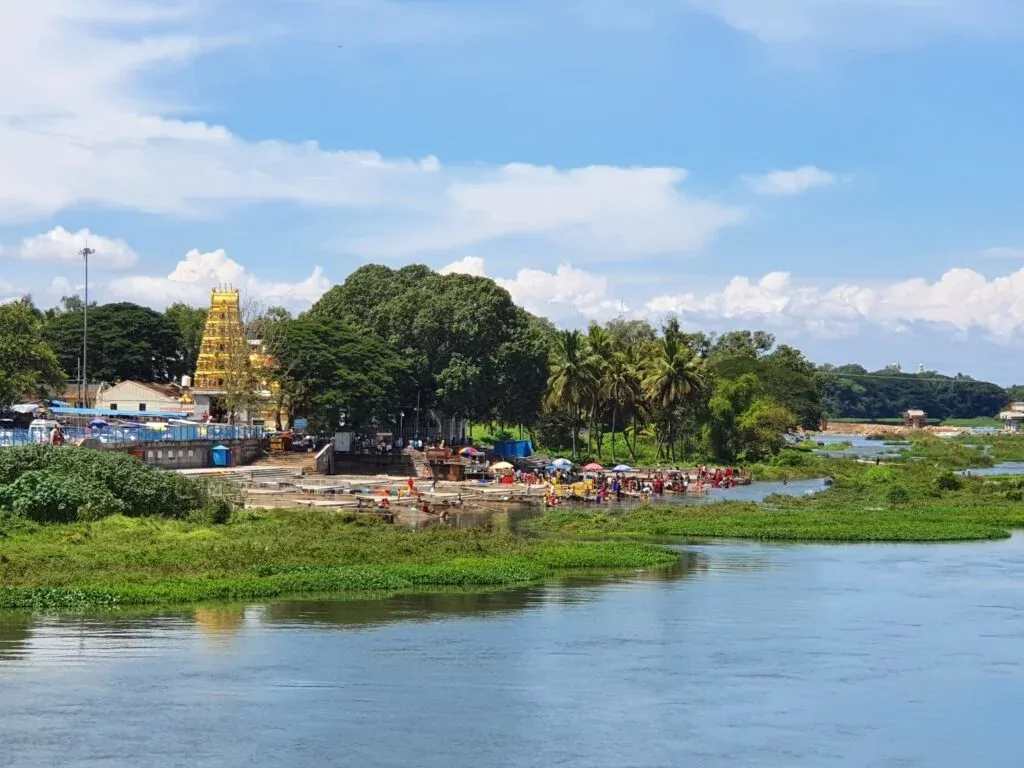
One of the temple’s most captivating features is its intimate relationship with the Cauvery River. Flowing gently beside the temple, the river enhances the sacred atmosphere and deepens the spiritual experience.
In Hindu tradition, rivers symbolize purification and renewal. Devotees believe that prayers offered here gain special sanctity due to the river’s presence. The soothing environment makes the temple ideal for meditation, reflection, and inner grounding.
During festivals, the riverbank comes alive with floating lamps, ritual offerings, and evening aarti, their reflections shimmering beautifully on the water’s surface.
Rituals & Festivals: A Living Tradition of Faith
Devotees from across Karnataka visit seeking solutions for personal difficulties, relationship harmony, professional success, mental peace, and protection from negative influences.
Daily Worship and Darshan
Daily pujas are conducted with devotion, featuring offerings such as flowers, kumkum, coconuts, and lemons—believed to symbolically remove obstacles. The rhythmic chants, temple bells, and incense aromas blend naturally with the riverside ambience, creating a deeply calming experience.
Major Festivals and Sacred Occasions
Navaratri is the most significant festival, during which the temple glows with lamps, music, and elaborate rituals. Full moon days (Pournami) are highly auspicious, drawing large gatherings along the riverbank.
The sacred months of Shravana and Ashada witness special vratas dedicated to the Goddess. Many devotees also perform homams and special pujas, particularly for Sarpa Dosha remedies, marriage blessings, and business prosperity. During these periods, the temple’s spiritual energy feels especially powerful and uplifting.
Spiritual Significance: A Place of Instant Blessings

What sets the Nimishamba Temple apart is its reputation for swift divine grace. Devotees from across Karnataka visit seeking solutions for personal difficulties, relationship harmony, professional success, mental peace, and protection from negative influences. The temple is considered highly auspicious for newly married couples, families starting new ventures, and pilgrims completing the Srirangapatna heritage circuit. The belief in immediate blessings remains the foundation of the temple’s enduring popularity.
Experiencing the Temple: A Peaceful Pilgrimage
A visit to the Nimishamba Temple goes beyond ritual—it becomes a journey into stillness and self-reflection. Early mornings often reveal mist rising from the river, while evenings bring enchanting aarti reflections on the water.
Swaying coconut trees, cool breezes even during warmer months, and a clean, well-maintained campus enhance the experience. Small shops nearby offer flowers, kumkum, and prasadam. The tranquil environment attracts not only devotees but also photographers, writers, spiritual seekers, and nature lovers.
Nearby Attractions: A Perfect Heritage Circuit


Located close to major landmarks, the temple fits seamlessly into a broader Srirangapatna and Mysuru travel itinerary. Nearby attractions include the Ranganathaswamy Temple, Daria Daulat Bagh, Gumbaz of Tipu Sultan and Hyder Ali, Srirangapatna Fort, and Mysuru city, just 14 km away. Together, these sites offer a rich blend of spirituality, history, and architectural beauty.
Why It Shines in December
December is an ideal time to visit or feature the Nimishamba Temple. The weather is cool and pleasant, the river flow is gentle and scenic, and tourism around Mysuru and Srirangapatna reaches its peak. The festive atmosphere across the region enhances the spiritual experience, making it perfect for family trips and year-end retreats.
A Sanctuary for the Soul

The Nimishamba Temple offers more than worship—it offers peace, reassurance, and renewal. Rooted in faith and amplified by nature, it provides a space where prayers feel immediate and hearts feel lighter.
Whether visiting for blessings, reflection, or a quiet moment by the Cauvery, devotees leave with a sense of comfort and clarity. The temple remains a timeless sanctuary—where faith meets nature, divinity feels close, and every visitor walks away renewed and blessed.