N

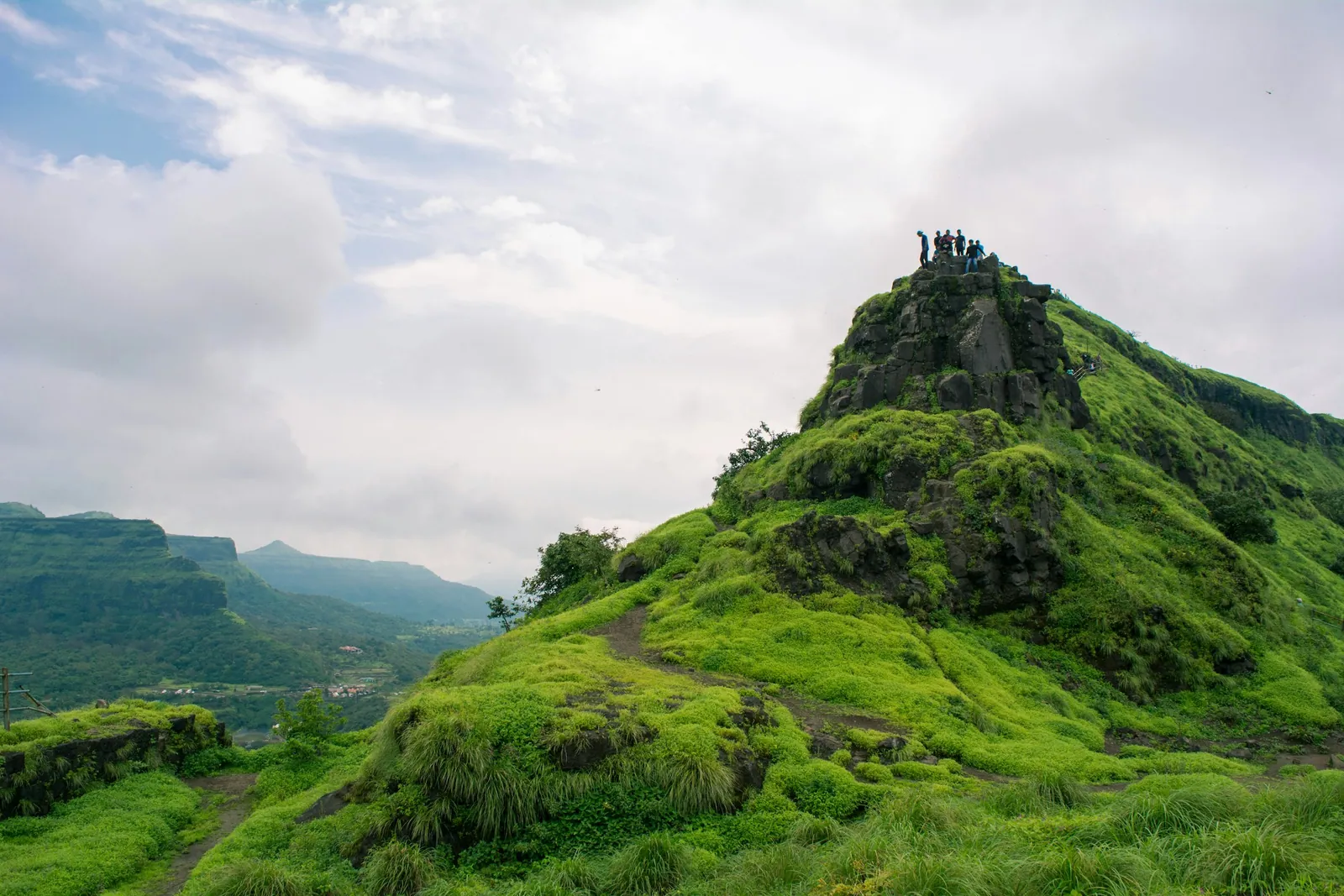
estled within the lush embrace of the Western Ghats, Chikmagalur is one of Karnataka’s most evocative travel destinations. Known for its rolling hills, mist-covered valleys, and sprawling coffee estates, this quiet hill town offers a soothing contrast to the fast pace of urban life. Chikmagalur does not overwhelm visitors with spectacle; instead, it gently draws them in with its calm landscapes, fresh mountain air, and deep-rooted cultural charm.
Often described as the coffee capital of Karnataka, Chikmagalur is a destination best experienced slowly—through long plantation walks, early morning views of drifting clouds, and unhurried conversations over freshly brewed coffee.
The Origins of Indian Coffee
Chikmagalur occupies a special place in India’s agricultural and cultural history. It is widely believed that coffee cultivation in the country began here during the 17th century. According to popular legend, the Sufi saint Baba Budan returned from the Middle East carrying coffee beans, which he planted in the hills of this region. These early efforts laid the foundation for India’s now-flourishing coffee industry.
Today, coffee estates dominate the terrain, shaping both the economy and daily life of Chikmagalur. Arabica and Robusta plantations stretch across gentle slopes, interspersed with silver oak trees for shade. Estate bungalows, many dating back to colonial times, still stand as reminders of a bygone era. For visitors, staying within a plantation offers a close connection to this legacy—marked by the aroma of coffee blossoms, the rhythm of estate life, and stories passed down through generations.
Mullayanagiri: Karnataka’s Highest Peak


At an elevation of 1,930 metres above sea level, Mullayanagiri is the highest point in Karnataka and a defining landmark of Chikmagalur. The road to the summit winds through steep inclines and scenic curves, while a short trek leads visitors to the peak. From the top, sweeping views of the Western Ghats unfold, with layers of green hills fading into the horizon and clouds floating beneath eye level. The cool climate, silence, and expansive views make Mullayanagiri an ideal spot for trekking, photography, and quiet reflection. A small shrine at the summit adds a spiritual dimension to the experience, enhancing the sense of peace that lingers long after the descent.
Bababudangiri: A Landscape of Faith and Legend


Close to Mullayanagiri lies Bababudangiri, a hill range deeply intertwined with the region’s spiritual and cultural identity. Named after Baba Budan, this area is home to the Dattatreya Peetha, a site revered by both Hindu and Muslim communities. The hills stand as a symbol of religious harmony, drawing pilgrims and travellers alike. Beyond its spiritual importance, Bababudangiri is known for its dramatic terrain—steep cliffs, open grasslands, caves, and dense mist that often envelops the hills. The atmosphere here is serene and contemplative, making it one of the most evocative parts of Chikmagalur.
Waterfalls and Natural Beauty
These waterfalls are not merely scenic attractions; they are integral to the region’s ecosystem and contribute to the misty, dreamlike quality that defines Chikmagalur.
Chikmagalur’s landscape comes alive during the monsoon and post-monsoon seasons, when numerous waterfalls cascade through forests and plantations. Hebbe Falls, hidden deep within estate land, is reached through forest trails and jeep rides, adding a sense of adventure. Kalhatti Falls, tumbling down rugged cliffs, and Manikyadhara Falls, believed to possess healing properties, offer tranquil settings surrounded by greenery. These waterfalls are not merely scenic attractions; they are integral to the region’s ecosystem and contribute to the misty, dreamlike quality that defines Chikmagalur.
Into the Wild: Bhadra Wildlife Sanctuary
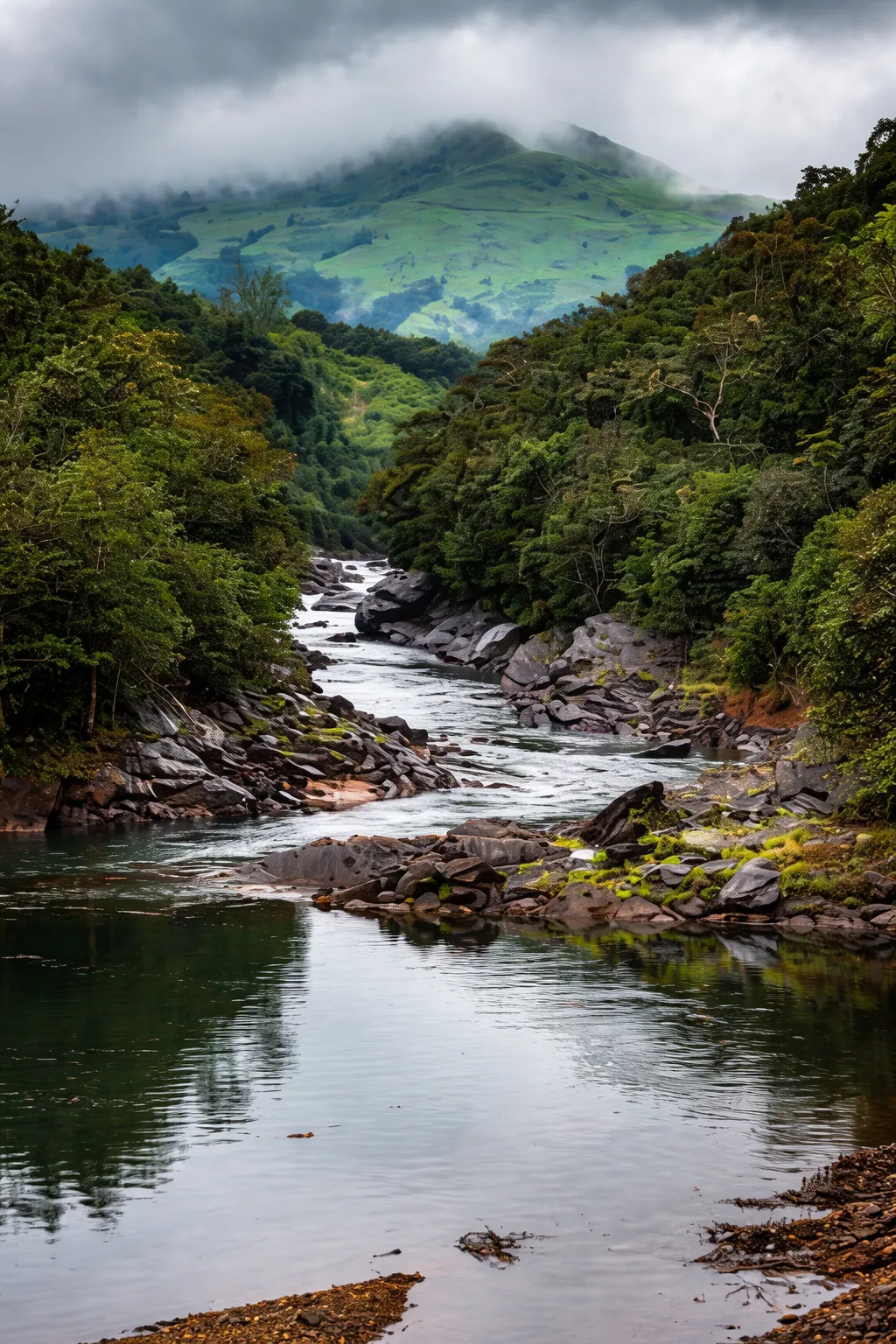
Adding to Chikmagalur’s natural richness is the Bhadra Wildlife Sanctuary, part of India’s Project Tiger initiative. The sanctuary protects vast tracts of forest and river ecosystems, providing a haven for diverse wildlife. Visitors may encounter elephants, deer, gaur, and a variety of bird species, while the forest itself showcases the biodiversity of the Western Ghats. Safaris and nature trails here offer a deeper understanding of Chikmagalur’s ecological significance and reinforce the importance of sustainable tourism in the region.
Malnad Culture and Local Cuisine


Chikmagalur forms part of the Malnad region, known for its earthy traditions, close-knit communities, and distinctive cuisine. Local dishes are simple yet flavourful, designed to nourish and comfort in the cool, damp climate of the hills. Rice-based preparations, steamed dumplings, traditional curries, and freshly prepared filter coffee are staples of everyday life. The culture of the region is closely tied to agriculture and nature, reflected in local festivals, folk practices, and the warm hospitality extended to visitors.
Best Time to Visit
Chikmagalur can be visited throughout the year, though each season offers a different experience. The months from September to February are ideal for sightseeing, with pleasant temperatures and lush scenery. The monsoon season from June to August transforms the hills into a vibrant green paradise, though travel may be slower. Summer months provide a refreshing escape from the heat of the plains, thanks to the region’s cooler climate.
The Quiet Elegance of Chikmagalur


Chikmagalur’s true luxury lies in its simplicity. It offers no grand distractions, only the gentle comforts of nature, history, and tradition. Whether one comes in search of adventure, solitude, cultural insight, or simply a change of pace, Chikmagalur rewards visitors with moments of stillness and clarity. As a destination, it embodies the soul of Karnataka’s highlands—timeless, nurturing, and quietly unforgettable.