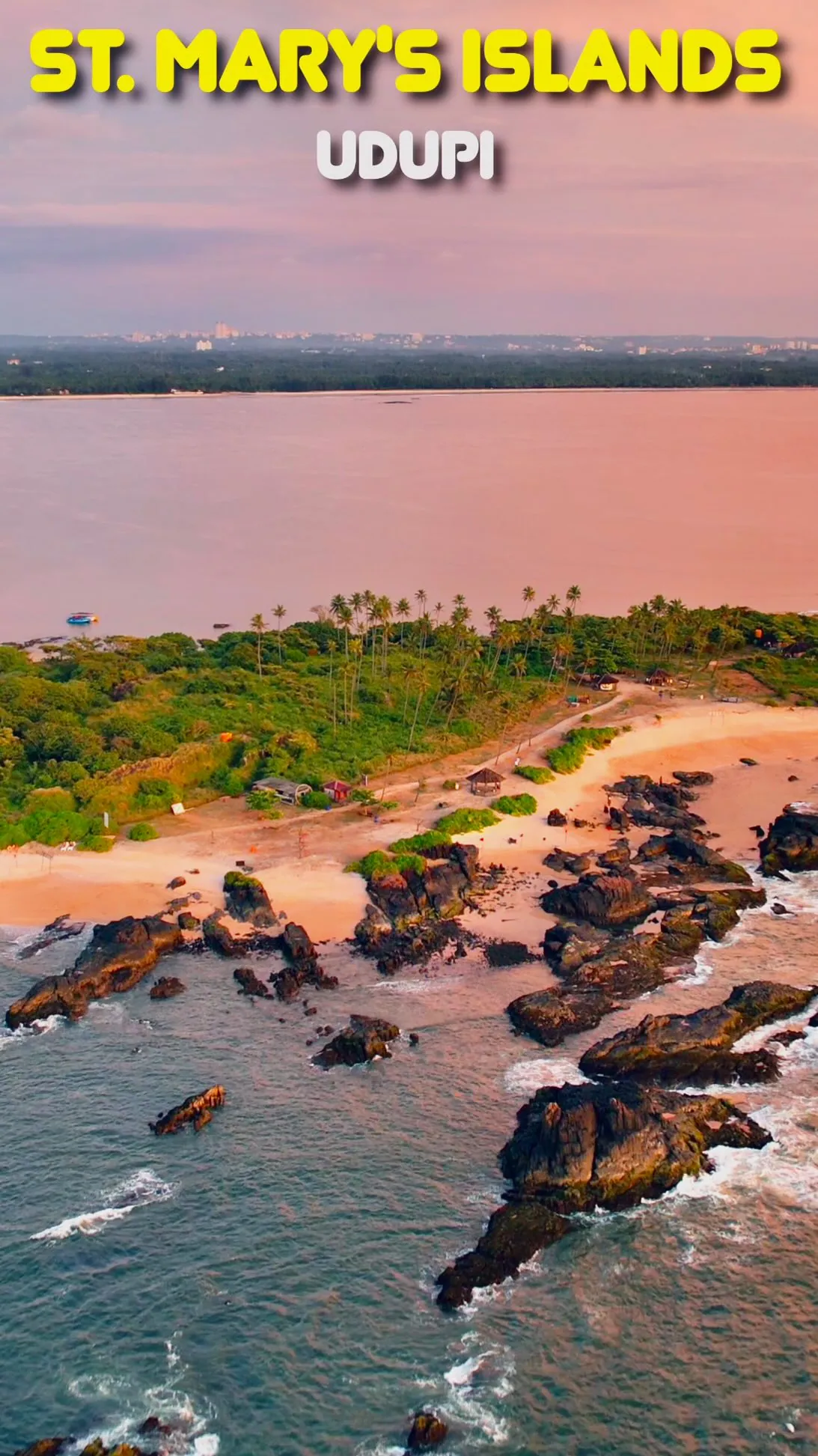
Nestled off the scenic coastline of Udupi in the southern Indian state of Karnataka lies a destination that feels almost untouched by time—St. Mary’s Island. Located roughly 6 kilometers from Malpe Beach and about 10 kilometers from Udupi town, this cluster of four small islands offers a rare blend of natural beauty, geological intrigue, and tranquil isolation. Often described as a tropical paradise, St. Mary’s Island captivates visitors with its crystal-clear waters, swaying coconut palms, and striking rock formations that set it apart from any other coastal destination in India.
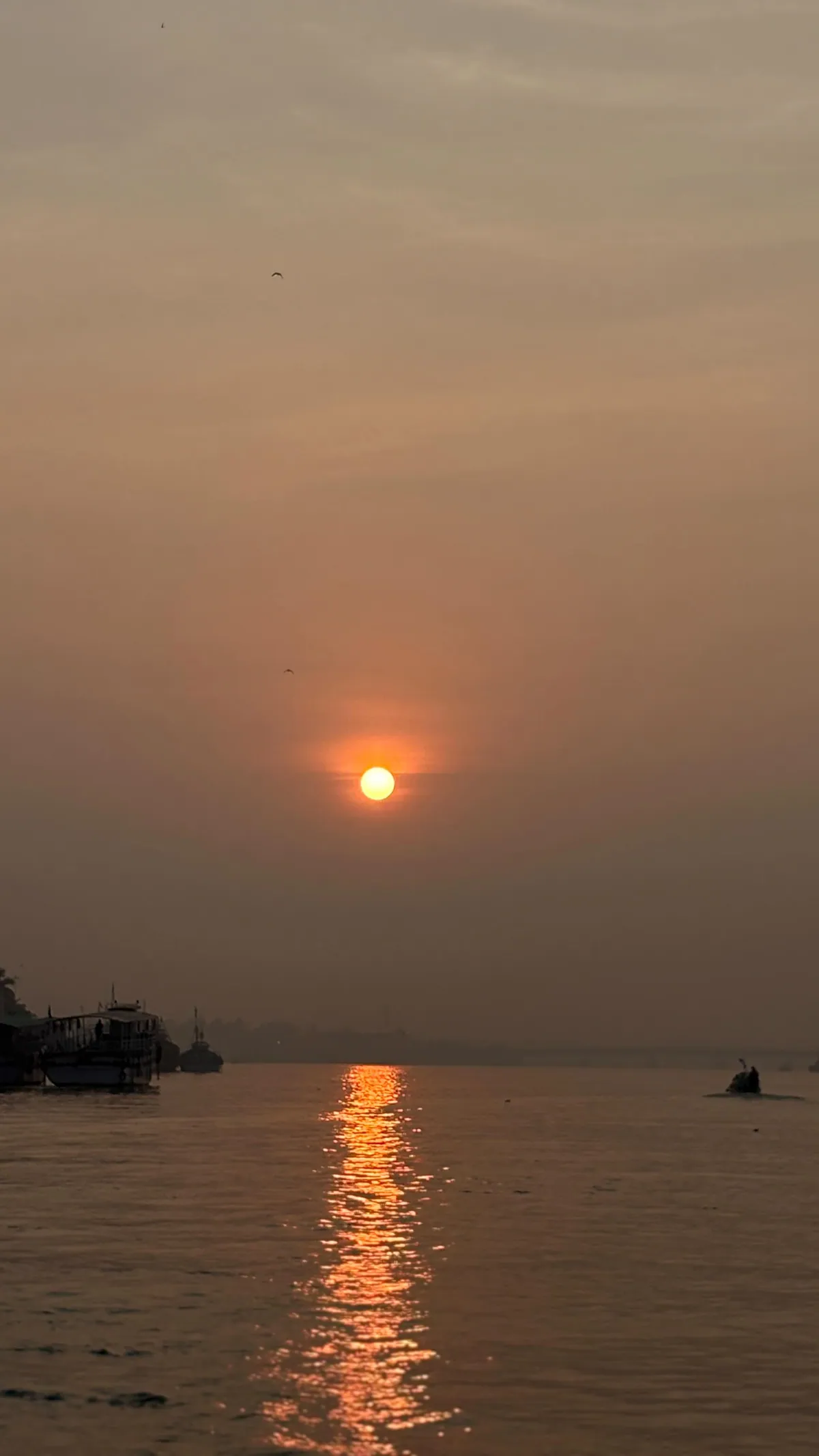
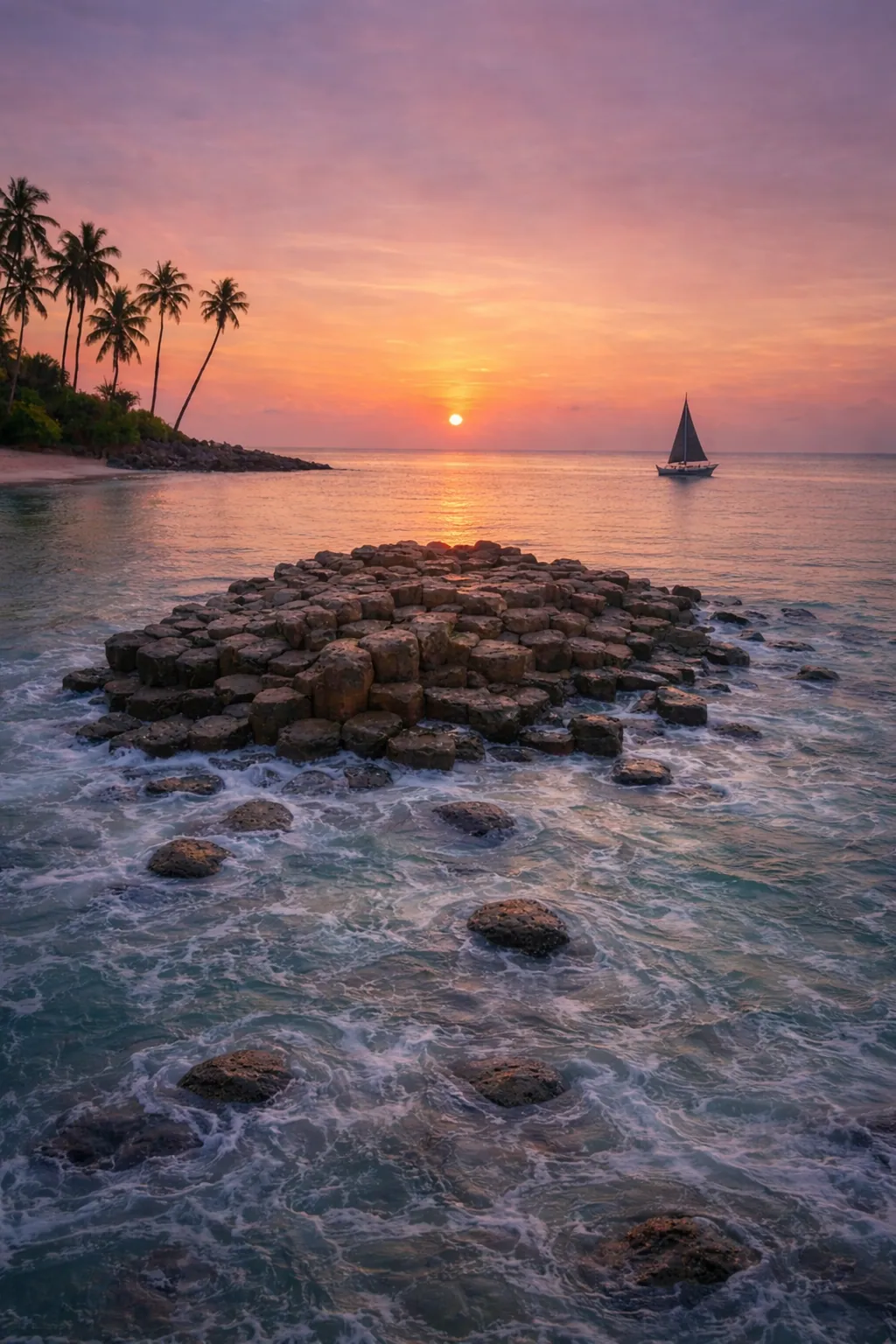
The journey to St. Mary’s Island itself is part of the experience. A short ferry ride from Malpe Beach takes travellers across the shimmering Arabian Sea, gradually revealing the islands’ unique silhouette. As the mainland fades into the horizon, visitors are welcomed by an unspoiled landscape that feels far removed from the bustle of everyday life. The calm sea breeze, rhythmic sound of waves, and panoramic ocean views create an immediate sense of peace, making the island an ideal escape for those seeking serenity. What truly distinguishes St. Mary’s Island from other beach destinations is its extraordinary geological character. The islands are famous for their hexagonal basalt rock formations, a phenomenon that dates back millions of years to ancient volcanic activity. When molten lava cooled rapidly, it contracted and cracked into polygonal columns, forming the remarkable patterns seen today. These structures resemble neatly stacked pillars, almost as if carved by human hands, yet they are entirely natural. This rare geological feature has earned the island recognition as a National Geological Monument, drawing geologists, researchers, and curious travellers from around the world. Walking among these formations feels like stepping into a natural sculpture gallery shaped by the forces of the Earth itself.
Among the four islands, the largest is often referred to as Coconut Island, named for the tall coconut trees that dot its landscape. These trees not only enhance the island’s tropical charm but also provide welcome shade for visitors exploring the rocky terrain. The contrast between the rugged basalt formations and the soft greenery of coconut palms creates a visually stunning environment. Visitors can leisurely stroll along the shoreline, relax under the trees, or simply sit and absorb the tranquil surroundings. Unlike crowded tourist beaches, the atmosphere here is calm and unhurried, allowing for a more intimate connection with nature.

The beaches of St. Mary’s Island are unlike the typical sandy shores found along most coastlines. Instead of fine sand, the shores are covered with countless tiny shells that have been naturally polished by the waves over time. These shell-lined beaches create a distinctive texture underfoot and add to the island’s unique appeal. The gentle lapping of waves against the shore, combined with the shimmering shells, gives the coastline a subtle sparkle under the sun. It’s a setting that feels both exotic and serene, perfect for quiet reflection or a leisurely walk.

For those who enjoy light adventure and outdoor activities, the island offers several simple yet rewarding experiences. The clear waters surrounding the island invite visitors to take a refreshing dip, although caution is advised due to varying sea conditions. Picnicking is another popular activity, with many travellers bringing along food to enjoy amidst the natural beauty. Photography enthusiasts, in particular, will find endless inspiration here. The geometric basalt columns, the interplay of light and shadow, the vibrant blue sea, and the lush greenery combine to create a visual feast that is difficult to capture in a single frame.

Beyond its natural allure, St. Mary’s Island also holds a touch of historical significance. According to local lore, the renowned Portuguese explorer Vasco da Gama is believed to have made a brief stop on these islands in 1498 during his historic voyage to Kerala. It is said that he named the island in honour of the Virgin Mary before continuing his journey. While historical evidence may vary, this association adds an intriguing cultural dimension to the island, connecting it to one of the most important maritime explorations in history.

The geometric basalt columns, the interplay of light and shadow, the vibrant blue sea, and the lush greenery combine to create a visual feast that is difficult to capture in a single frame.
Accessibility to St. Mary’s Island is relatively straightforward, making it a convenient day-trip destination for travellers visiting coastal Karnataka. Regular ferry services operate from Malpe Beach, especially during the tourist season. The boat ride typically takes around 20 to 30 minutes, offering scenic views of the coastline and the open sea. However, it is important to note that ferry services are subject to weather conditions and are generally suspended during the monsoon months due to rough seas. Planning ahead and checking local schedules can help ensure a smooth and enjoyable visit.
One of the most compelling reasons to visit St. Mary’s Island is its ability to offer something for every kind of traveller. For nature lovers, it provides an unspoiled environment rich in scenic beauty. For geology enthusiasts, it serves as a living laboratory showcasing rare rock formations. For history buffs, it offers a connection to the age of exploration. And for those simply looking to unwind, it delivers a peaceful retreat away from crowded tourist hubs. This versatility makes the island a truly special destination.
The best time to visit St. Mary’s Island is between October and February, when the weather is pleasant and the sea remains relatively calm. During these months, the skies are clear, the temperatures are comfortable, and ferry services operate regularly, allowing visitors to fully enjoy the island’s offerings. The post-monsoon period also enhances the natural beauty of the region, with lush greenery and refreshed landscapes adding to the overall charm.
Despite its growing popularity, St. Mary’s Island has managed to retain much of its pristine character. Efforts to preserve its ecological and geological significance have helped protect it from excessive commercialization. Visitors are encouraged to respect the natural environment by avoiding littering and minimizing their impact on the delicate ecosystem. This sense of responsibility ensures that the island remains a haven of beauty for future generations.
In essence, St. Mary’s Island is more than just a tourist destination—it is an experience that engages the senses and inspires a deeper appreciation for nature’s artistry. From its ancient volcanic formations to its tranquil beaches and historical connections, every aspect of the island tells a story. It is a place where time seems to slow down, allowing visitors to reconnect with the natural world and find moments of quiet reflection. For anyone exploring the coastal treasures of Karnataka, a visit to St. Mary’s Island is not just recommended—it is essential. Whether you are drawn by its geological wonders, its serene landscapes, or its historical intrigue, the island promises an unforgettable journey. In a world where many destinations are shaped by human hands, St. Mary’s Island stands as a reminder of the extraordinary beauty that nature alone can create.
More from this story